We may earn a commission from links on this page, at no extra cost to you. Picks are researched, not sponsored.
Family photography is part technical and part crowd control. The camera side is straightforward: flattering light and enough depth of field to keep every face sharp. The harder side is human. You are managing several people at once, often including small children who would rather be anywhere else, and the photos that work are the ones where everyone looks relaxed and connected. Plan the technical so you can spend your attention on people.
Soft, even light flatters a group
With one subject you can shape light precisely; with a group you want light that flatters everyone at once. That means soft and even. Open shade, an overcast sky, or the soft window of golden hour all wrap the whole group gently and avoid harsh shadows across some faces and not others.
Avoid harsh midday sun, which casts hard shadows, makes people squint, and lights some family members more than others. If you must shoot in bright sun, move the group into open shade or backlight them with the sun behind, then expose for their faces, adding a touch of exposure compensation so they do not turn into silhouettes. Position everyone so the light falls evenly across the group.
Pose so the group looks connected
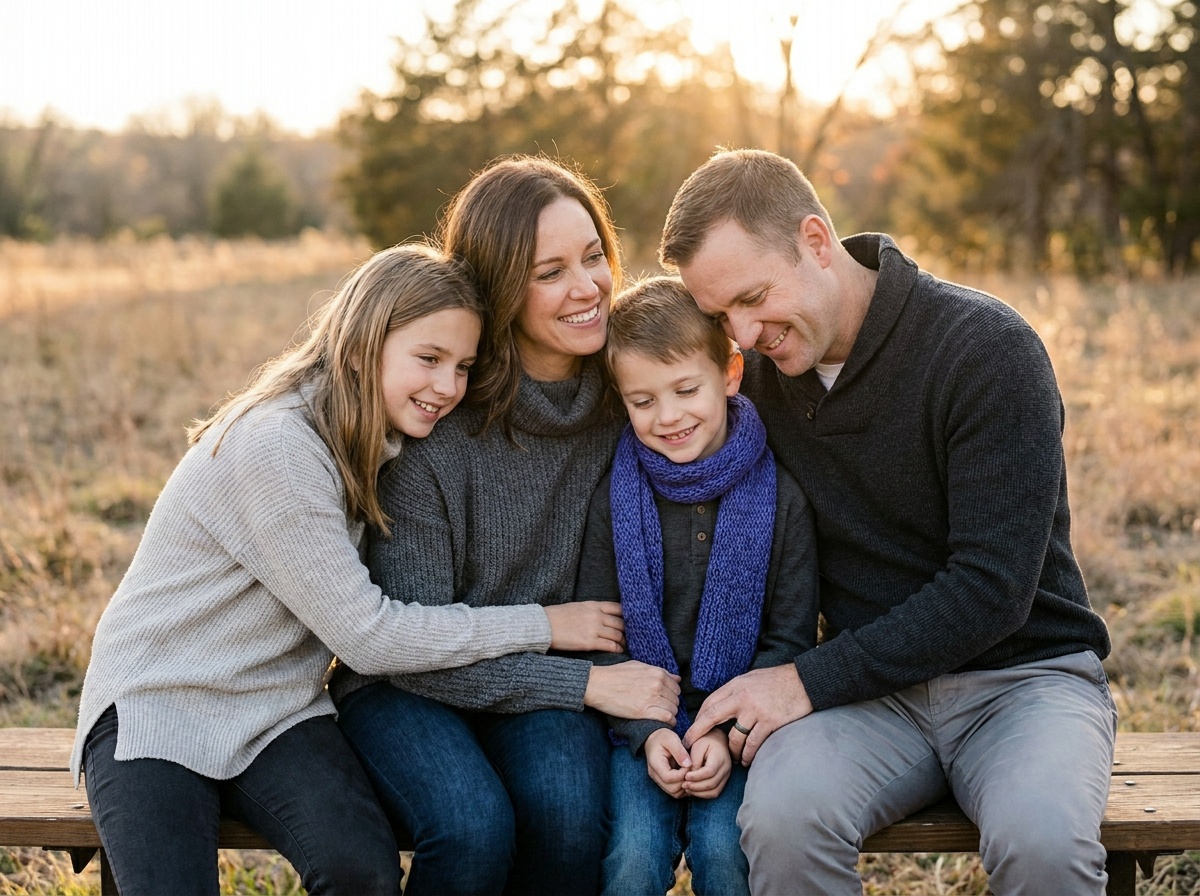
Good family posing is less about stiff arrangement and more about closeness. Bring people physically near each other; gaps between bodies read as distance between people. A few reliable habits:
- Stagger heights. Avoid a straight line of heads. Seat some, stand others, hold the little ones, so faces fall at different levels and the group forms a pleasing shape.
- Create connection. Hands on shoulders, leaning in, a parent looking at a child instead of the camera. Touch and eye lines make a group feel like a family.
- Fill the frame, then triangulate. Cluster the group into rough triangles of faces rather than a flat row.
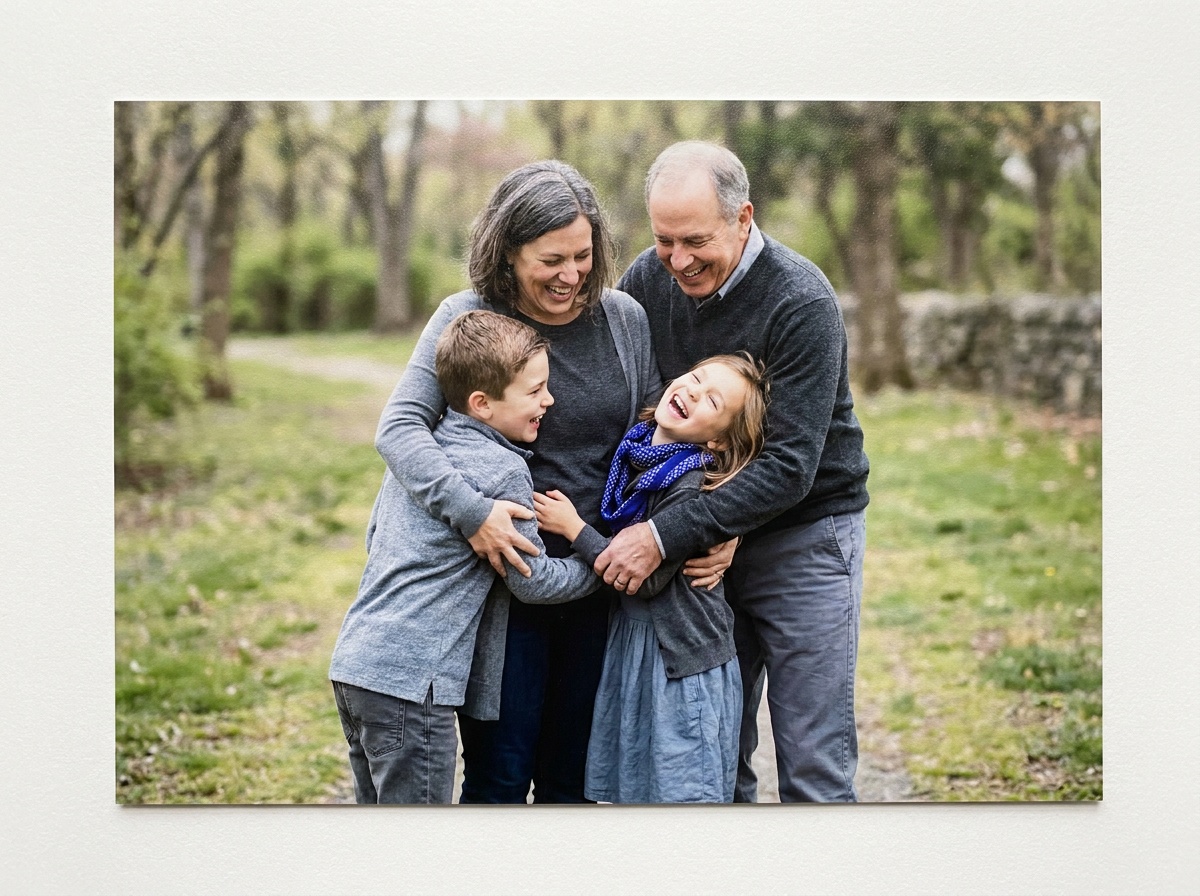
- Give kids something to do. A prompt like a group hug or a tickle produces real laughter and natural arrangement at the same time.
The shot-list generator can help you plan a sequence of groupings so you move efficiently and forget no one.
Settings that keep every face sharp
With several people at slightly different distances, you need more depth of field than a single portrait. A reliable baseline is f/5.6 · 1/250 · ISO 400.
A moderate aperture around f/5.6 keeps the front and back rows both sharp; opening up to f/2 here would leave the back row soft. Keep a shutter speed of 1/250 or faster, since families fidget and children never hold still. Let ISO rise as the light dims at golden hour; the exposure triangle shows why more depth of field plus a fast shutter pushes ISO up. Use eye-detection autofocus and shoot in short bursts, because in any group shot someone is always blinking. The best lenses for portraits guide covers focal lengths that flatter people while taking in a group.
Wrangle the energy, not just the pose
The photographers who get great family images are managing mood. Keep sessions short, especially with young kids, and shoot the formal groupings first while patience lasts. Talk constantly, give clear simple directions, and never let the group stand frozen waiting; that is when expressions die. Build in play, let the kids run and then call them back, and shoot the in-between moments, since the candid frame between poses is often the keeper. If a child melts down, take a break rather than forcing it.
Common mistakes
The usual problems are harsh midday light that makes everyone squint, too wide an aperture that leaves the back row soft, and posing the group in a stiff straight line with gaps between people. Beginners also tend to over-direct, freezing the group while they fuss with settings; sort the technical first, then keep the energy up. And always take several frames of every grouping, because in a family shot someone is guaranteed to blink.
What aperture should I use for family photos?
A moderate aperture around f/5.6 keeps everyone in a multi-row group sharp from front to back. Opening up to f/1.8 or f/2 leaves the back row soft, so save very wide apertures for single portraits, not groups.
How do you photograph families with small children?
Keep the session short, shoot the formal groupings first, and use play to get real expressions. Give simple directions, keep the energy up rather than freezing the group, and capture the candid moments between poses. If a child melts down, take a break instead of forcing it.
What is the best light for family photography?
Soft, even light that flatters everyone at once: open shade, an overcast sky, or golden hour. Avoid harsh midday sun, which makes people squint and casts uneven shadows across the group. If you must shoot in bright sun, move into shade or backlight the group and expose for their faces.
Practice this
Turn the guide into a working setup
Shoot kits
Buy around the job, not the spec sheet
Live coverage
Event and wedding kit
$5,967
A dependable hybrid body, fast telephoto, round-head flash, clean audio, fast card, and small carry setup for long days with no second chances.
Best paid-event base kit
Buy order: start with the first piece that makes the job possible, then add the support pieces that remove friction.
Camera: start here. If this piece does not make the shoot easier, the rest of the kit can wait.
Carry: add it after the core setup proves useful.
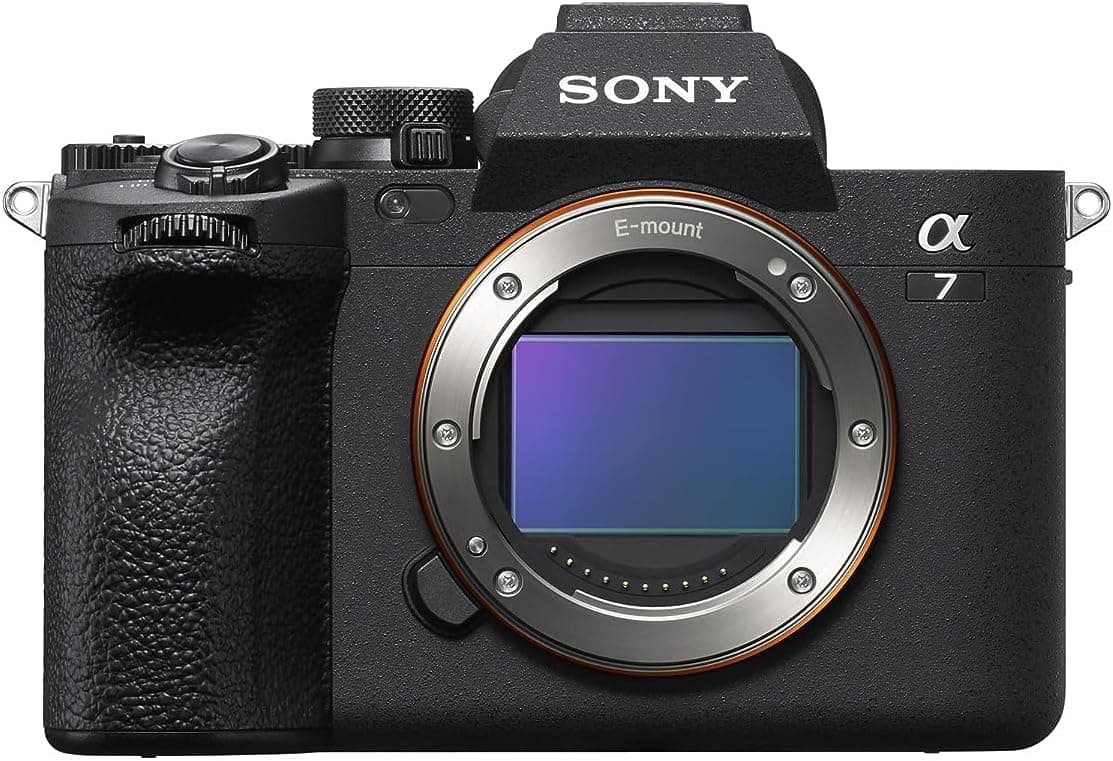
Sony a7 IV
Balanced stills and video, reliable eye autofocus, dual card slots, and enough resolution for delivery crops.
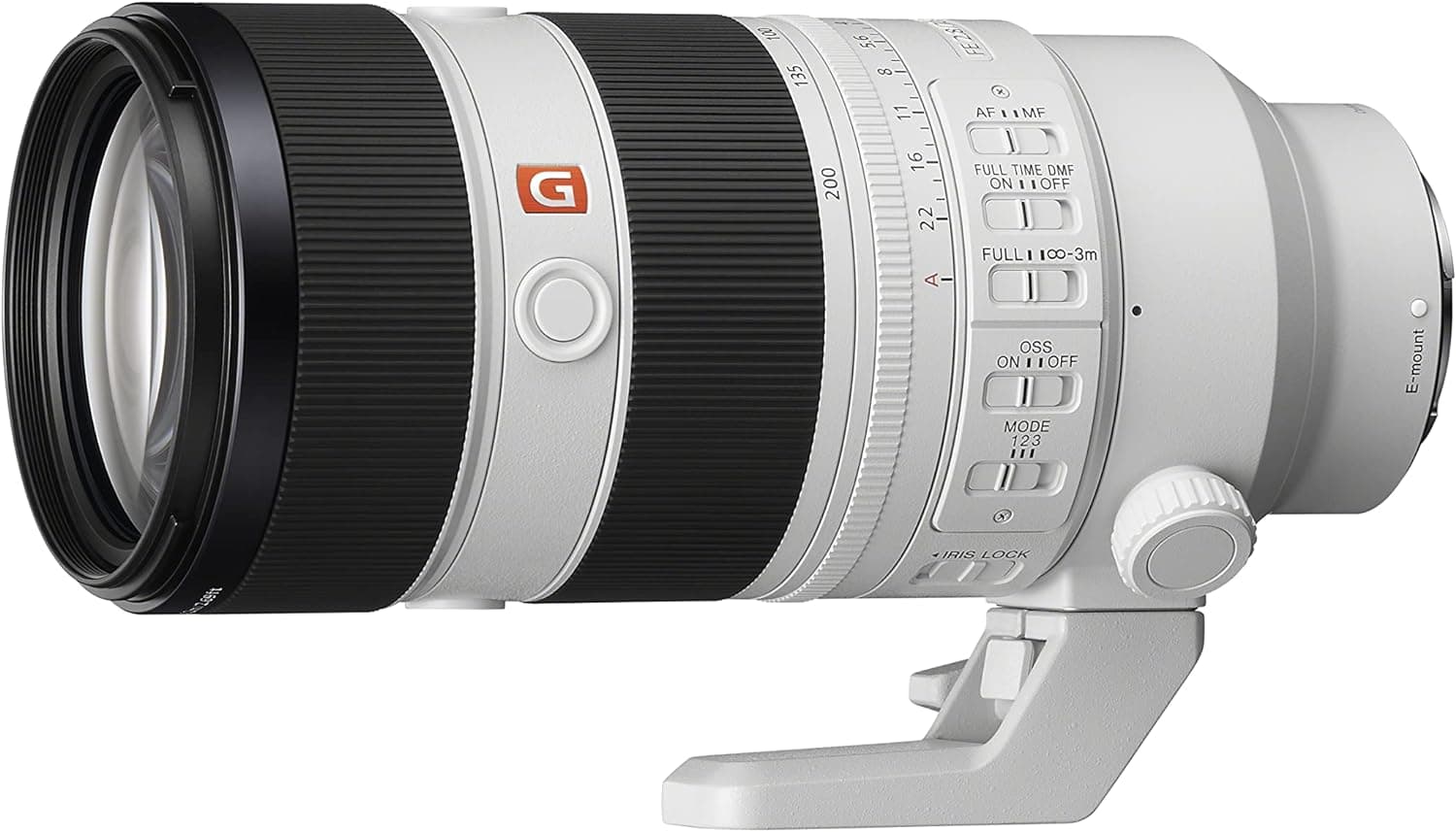
Sony FE 70-200mm f/2.8 GM OSS II
Reach and subject separation for ceremonies, speeches, stage work, and candids from across a room.
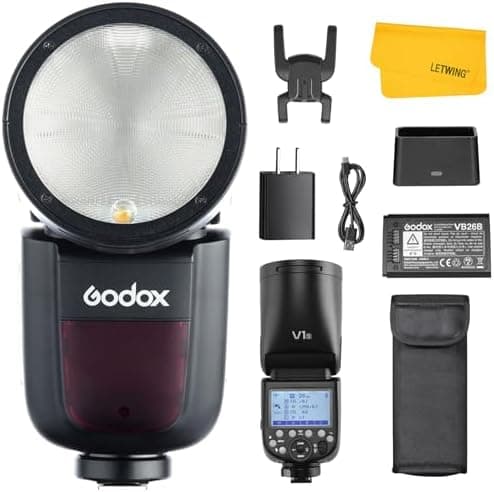
Godox V1
Soft bounce, fast recycle, and the Godox radio system for a first off-camera light.
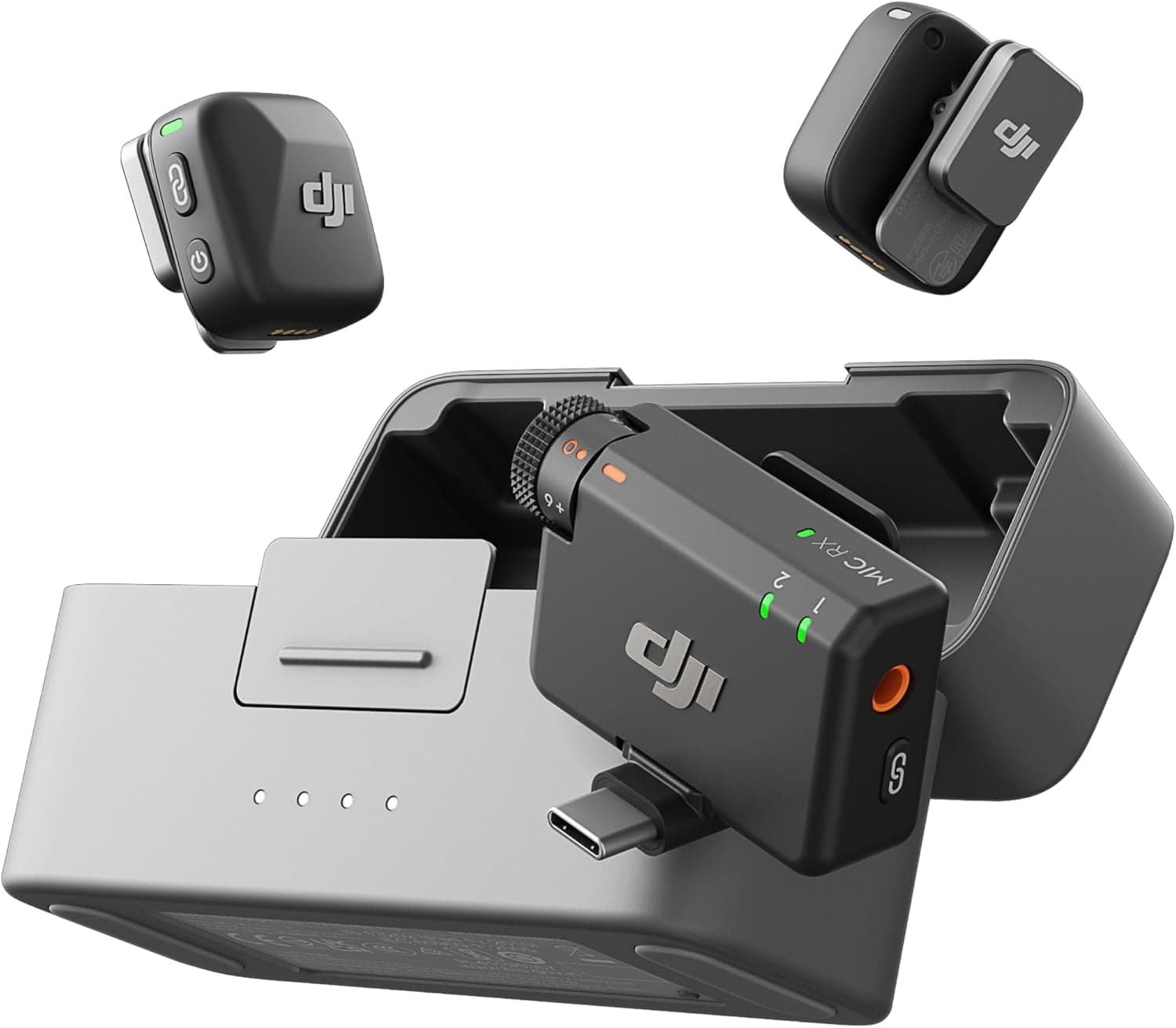
DJI Mic 2
A simple backup for vows, interviews, speeches, and behind-the-scenes clips.
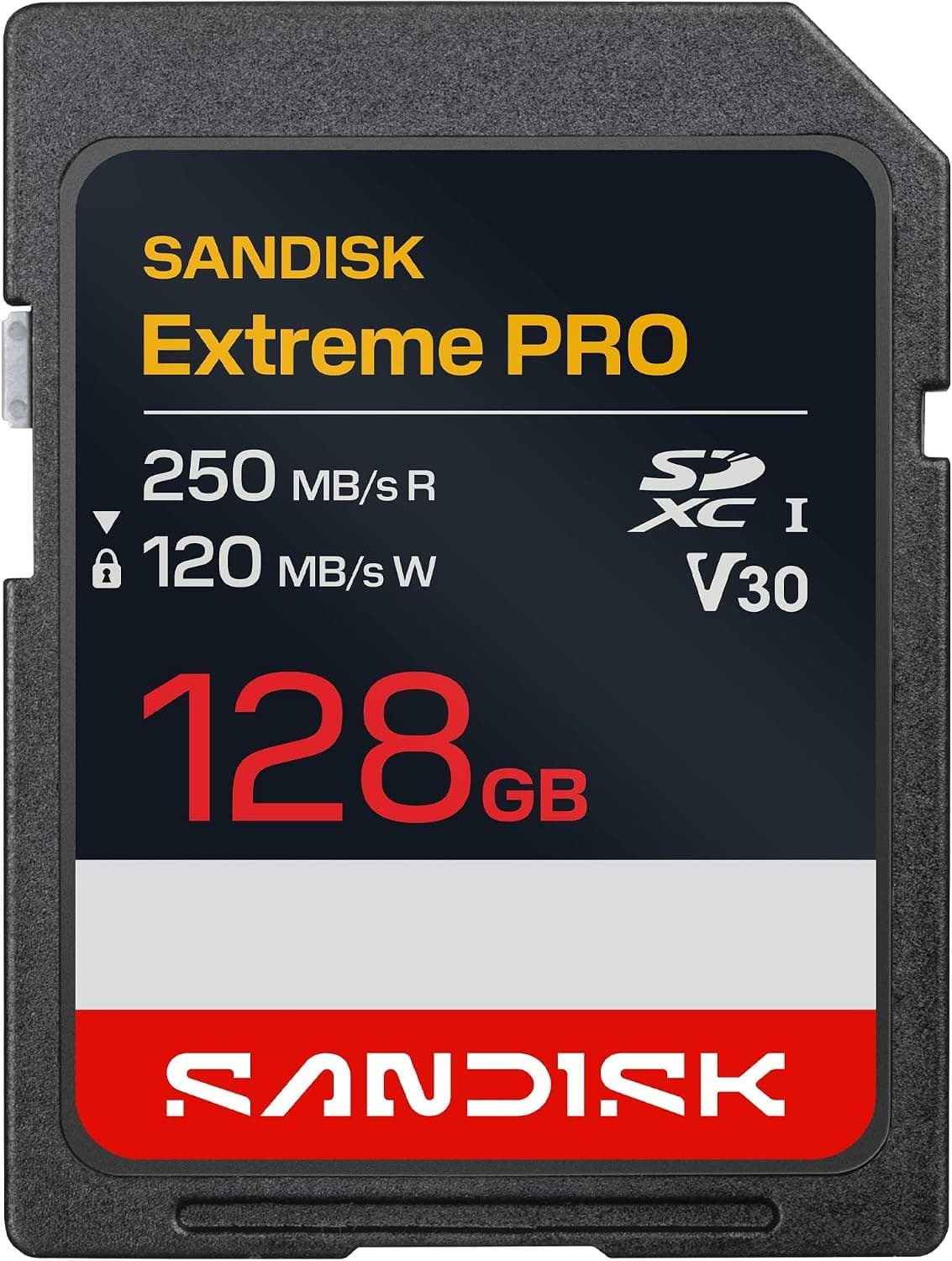
SanDisk Extreme Pro SDXC 128GB
A practical card tier for hybrid bodies shooting stills, bursts, and normal 4K capture.
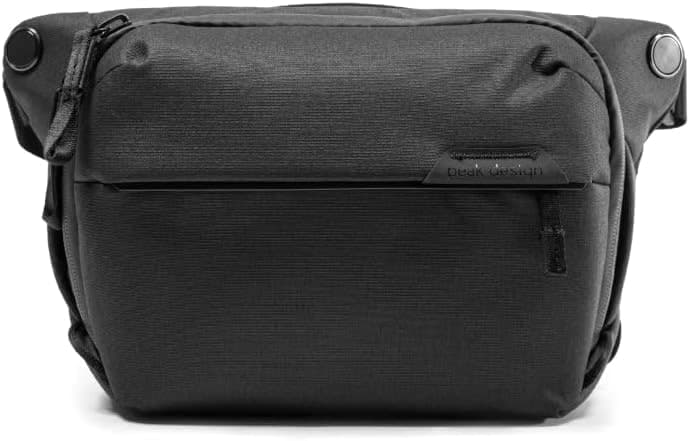
Peak Design Everyday Sling 6L V2
Keeps a body, flash, batteries, and small lens changes close without wearing a full backpack during coverage.
Prices are rough catalog totals. Retailer prices change, and you can swap pieces to fit your system.
Related Genres guides

Event Photography: Settings and Gear for Low Light and Fast Moments
Event photography means low light, candid moments, and no second takes. Here is the gear, the settings, and the mistakes to skip for sharp, well-lit frames.
Fashion Photography: Light, Posing, and the Look on a Budget
Editorial fashion images come from intentional light, confident posing, and a clear styling concept. Here is how to build the look on a budget with one light and simple gear.
Product Photography: A Simple, Repeatable Setup
Clean product photos need controlled light, a sharp aperture, and a tripod, not a studio. Here is the gear, the settings, and the lighting that gets professional results.
Real Estate Photography: The Complete Starter Guide
How to shoot a listing that sells: the gear, the settings, the room-by-room shot list, and the common mistakes. Plus the tool that builds your shot list for you.
Researched, not personally tested: picks compare specifications, available owner feedback, and established expert sources. As an Amazon Associate I earn from qualifying purchases. We may earn a commission from links here, at no extra cost to you. How we research →