We may earn a commission from links on this page, at no extra cost to you. Picks are researched, not sponsored.
Top pick
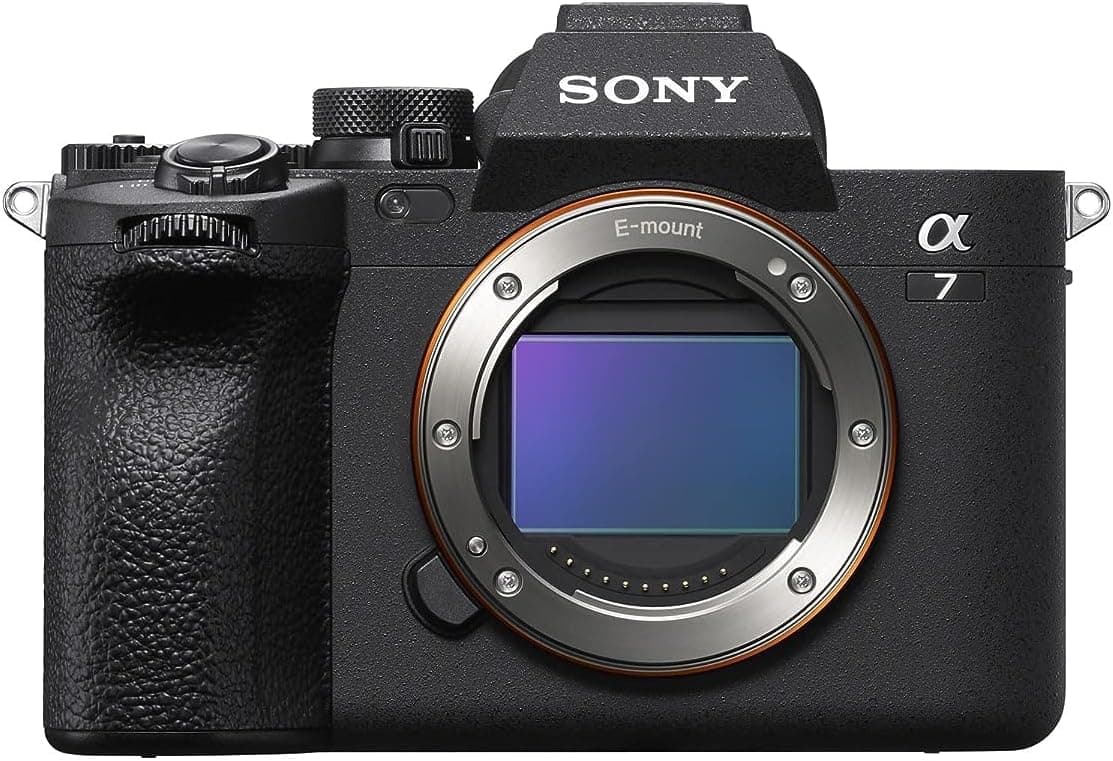
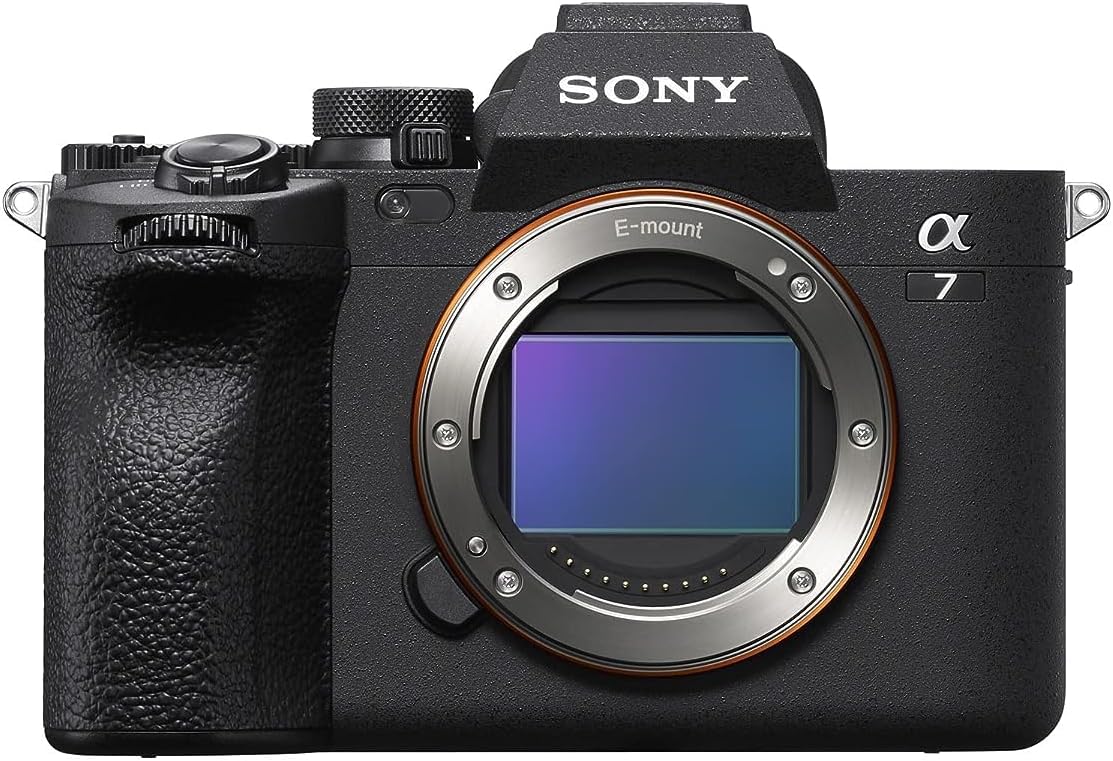
Sony a7 IV
9.0
Aperture Score · 3
- Best if
- Strong autofocus with reliable subject tracking
- Skip if
- 4K 60p comes with an APS-C crop
Check the exact listing
Confirm lens mount, sensor format, battery, charger, and kit contents.
Pick faster
Start with the job, then open details if the tradeoff matters.
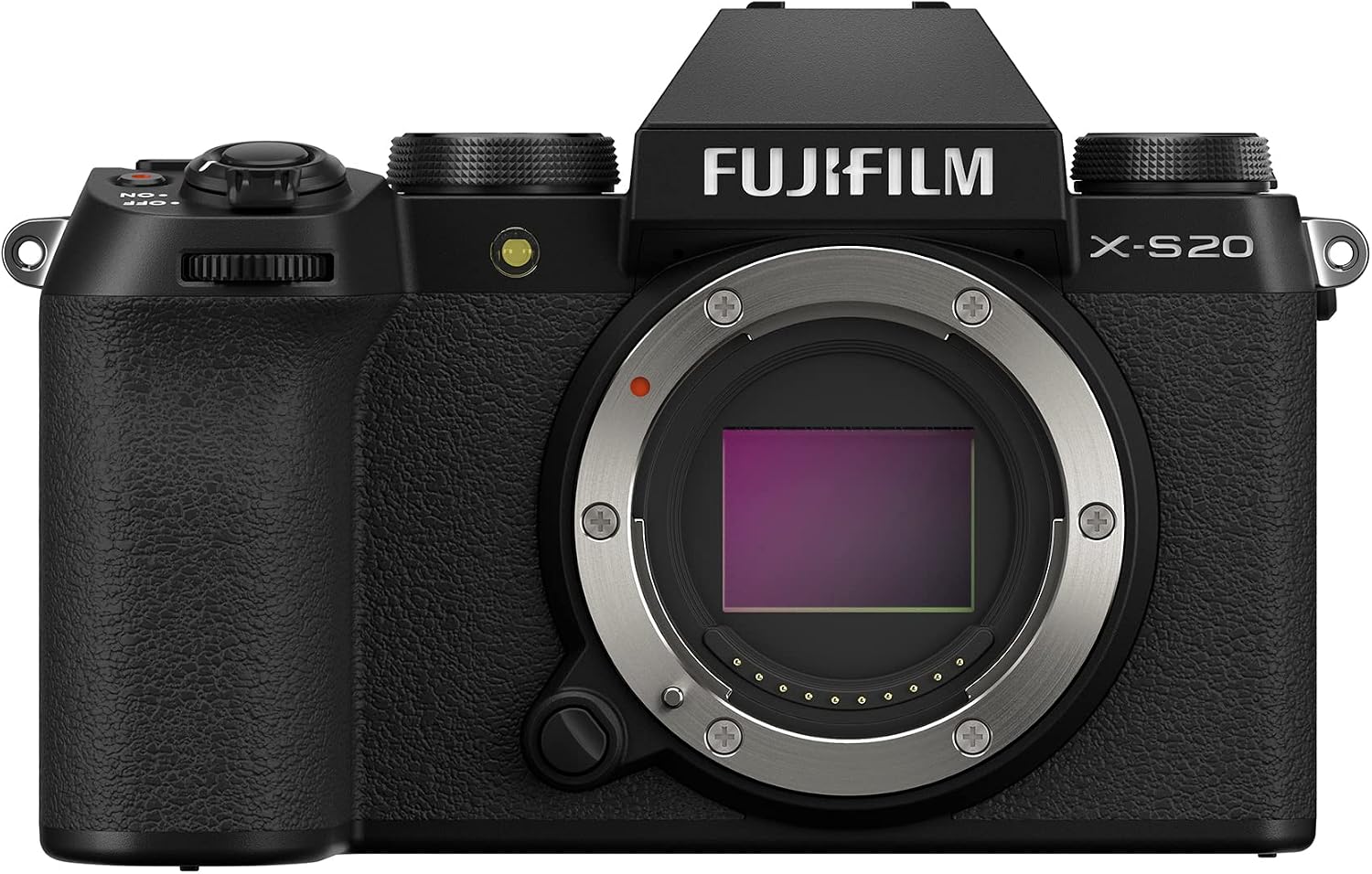
Best OverallSony a7 IVBest for: Photographers who want one body that covers stills and video without specializing in either.Skip if: 4K 60p comes with an APS-C cropBefore retailerConfirm lens mount, sensor format, battery, charger, and kit contents.Check Amazon · $2,300 - $2,500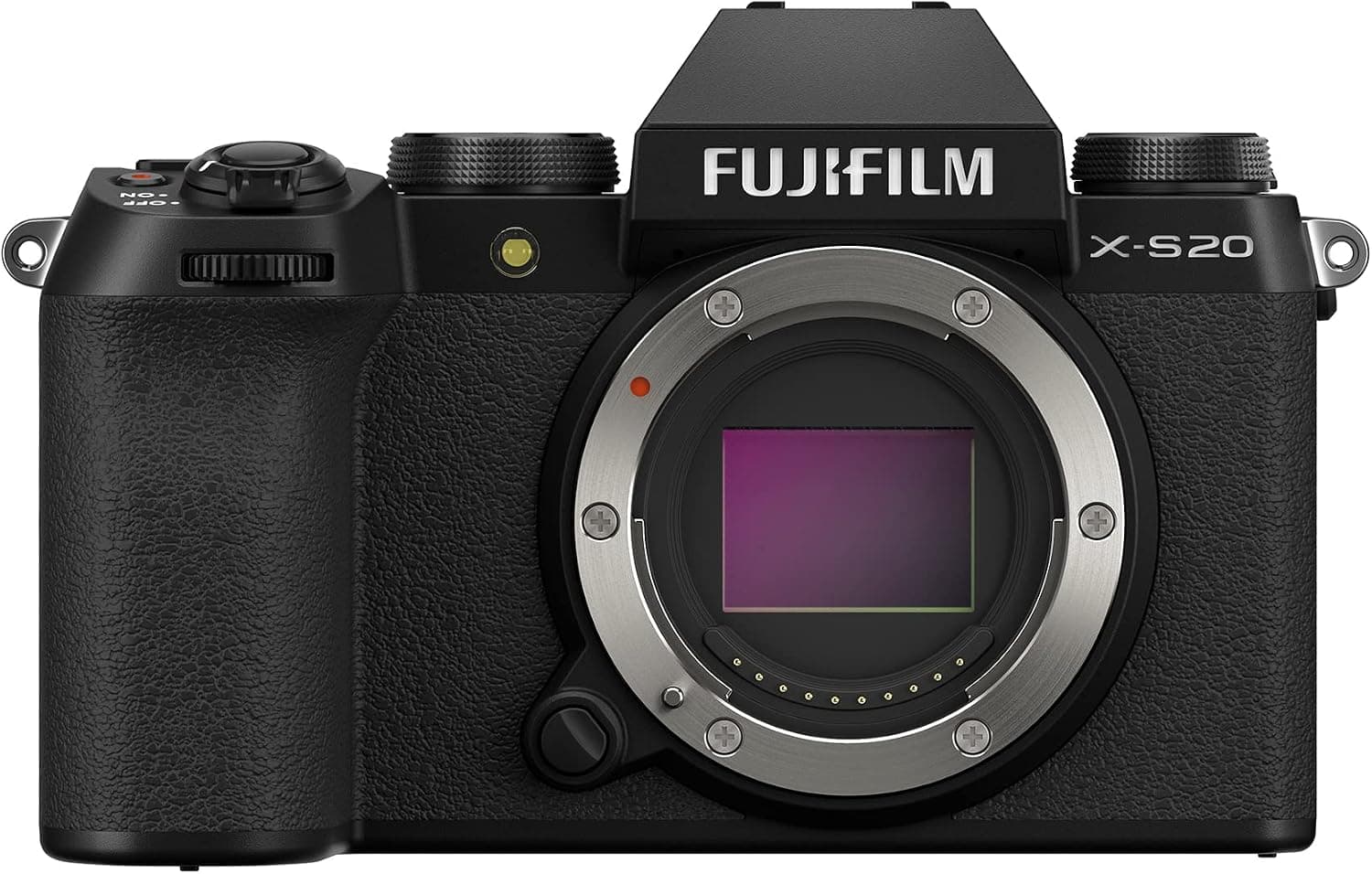 Editor's ChoiceFujifilm X-S20Best for: Hybrid shooters who want one capable, portable body for photo and video.Skip if: APS-C, not full-frameBefore retailerConfirm lens mount, sensor format, battery, charger, and kit contents.Check Amazon · $1,199 - $1,349
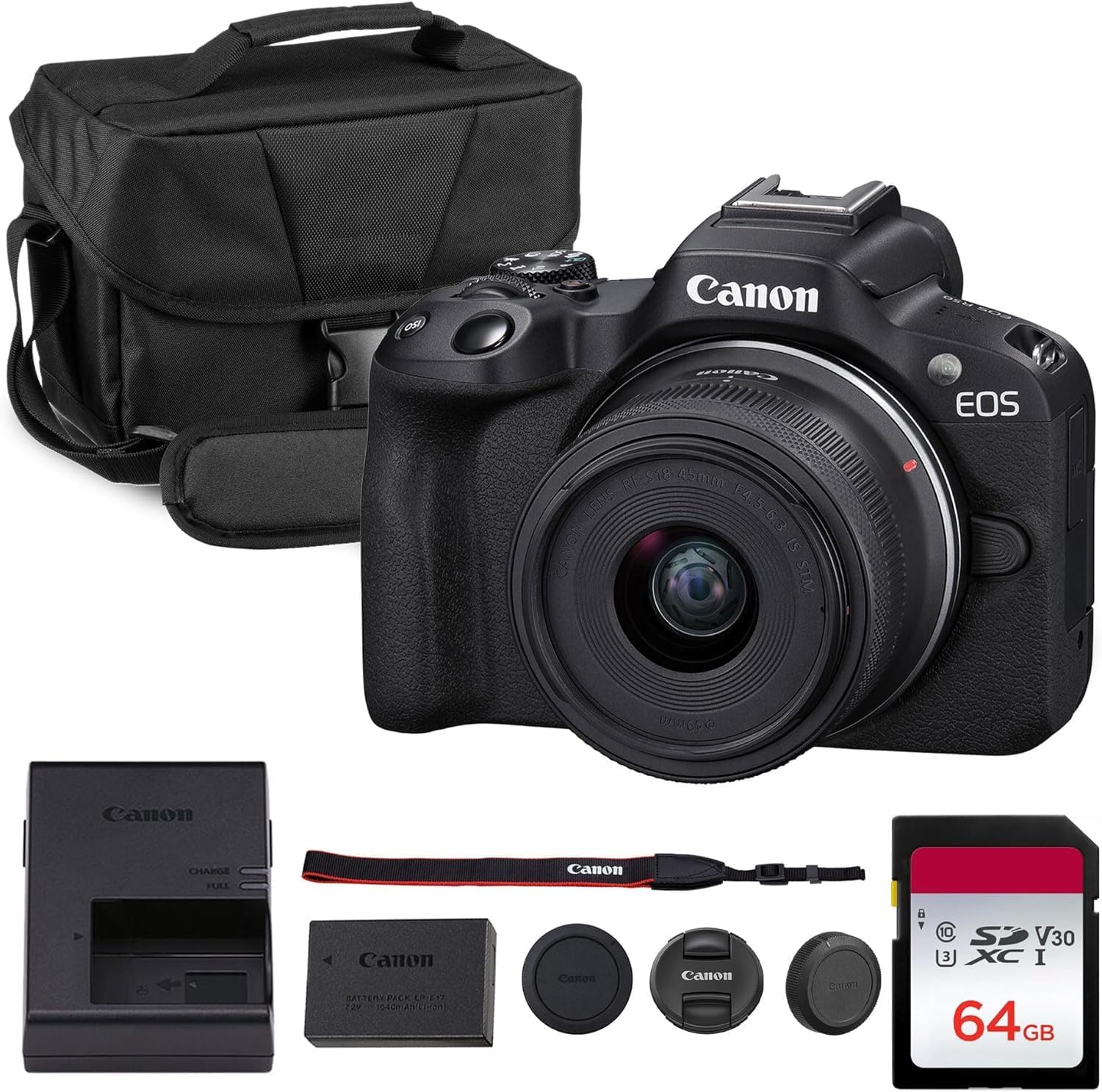
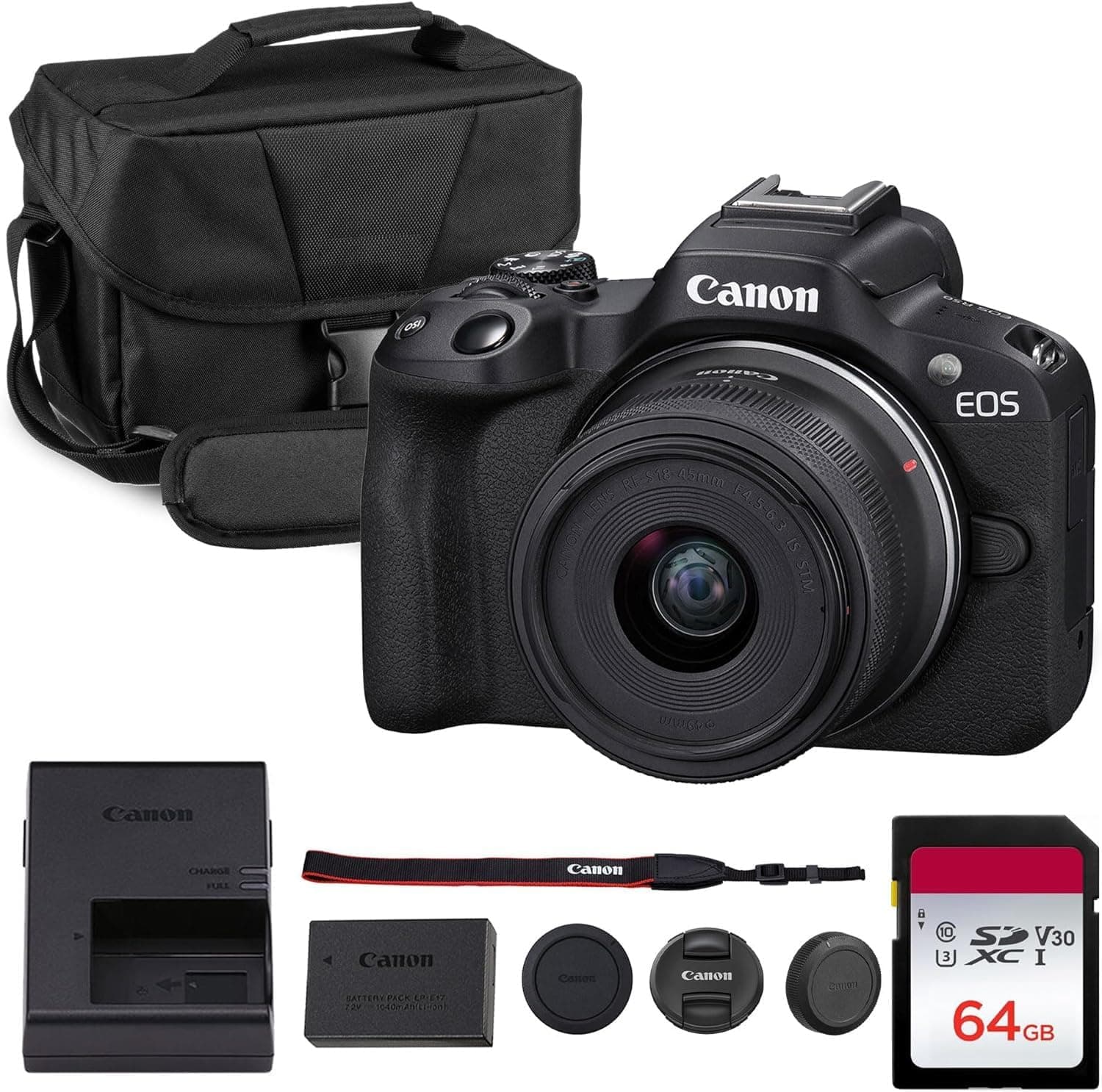 Best for BeginnersCanon EOS R50Best for: First-time buyers stepping up from a smartphone.Skip if: No in-body stabilizationBefore retailerConfirm lens mount, sensor format, battery, charger, and kit contents.Check Amazon · $650 - $750
Not sure yet?
Use best-for, skip-if, and the checkout check before opening more retailer tabs.
Real estate photography is unusually forgiving about camera bodies and unusually demanding about everything around them. You are usually working from a tripod, at low ISO, with a wide lens, and with time to make a bracket. That means a midrange body can produce excellent listing photos when the camera stays level and the lens does not turn a room into a funhouse.
The real estate photography gear guide covers the whole kit. This page narrows the decision to the camera body, then points you toward the lens, support, and field workflow that actually determine the result.
Our quick picks
The short answer
Choose the Sony a7 IV if you want a full-frame body for stills, walkthrough video, and long-term system growth. Choose the Fujifilm X-S20 if a lighter hybrid body and strong stabilization matter more than full-frame depth of field. Choose the Canon EOS R50 if you are starting at a lower budget and want a small body with dependable autofocus and uncropped 4K at 30p.
None of these bodies makes a wide lens optional. A camera with a better sensor cannot fix a room that is too tight, crooked verticals, or a tripod that drifts between bracket frames.
What matters in a real estate camera
A wide lens system
The body is only half the framing decision. You need a lens that reaches roughly 16 to 24mm full-frame equivalent for most interiors, with enough room at the wider end for small bedrooms and bathrooms. A full-frame body makes that range straightforward. APS-C bodies can do the same work, but you need an appropriately wide crop-sensor lens.
Start with the best wide-angle lenses before comparing a second camera body.
A stable tripod workflow
Listing stills are often bracketed. The camera needs to stay in exactly the same position while you make the exposures, and the verticals need to stay vertical. The Shot-List Generator helps with room order, but a solid tripod and a level camera are what make the resulting set consistent.
Dynamic range, not just resolution
Bright windows and darker interiors often share one frame. Dynamic range gives you more room to blend or recover those tones, but the practical answer is still a tripod, a bracket, and careful exposure. You do not need a huge megapixel count for web listings and normal print sizes.
Video features only when you sell video
If you deliver walkthroughs, prioritize autofocus, stabilization, a usable screen, and a sensible wide lens. You do not need internal RAW or the most elaborate Log profile for a short listing tour. The video codecs guide explains why before you pay for a feature your workflow cannot use.
The three camera paths
Best full-frame path: Sony a7 IV
Best Overall
Sony a7 IV
Photographers who want one body that covers stills and video without specializing in either.
Check price at AmazonThe Sony a7 IV is the best fit when real estate is becoming a serious service rather than an occasional job. Its 33-megapixel full-frame sensor gives you useful crop room for listing details, and the full-frame lens ecosystem makes it easy to build around a 16 to 24mm zoom. Sony lists 4K video, 10-bit recording options, and a 33-megapixel sensor in its official product material.
Choose it when you want one body for interiors, portraits, video, and future system growth. Skip it when buying the body would leave no budget for the wide lens, tripod, spare batteries, and cards. A cheaper body with the correct support kit will produce a more professional listing than an expensive body on a weak tripod.
Best compact hybrid path: Fujifilm X-S20
Editor's Choice
Fujifilm X-S20
Hybrid shooters who want one capable, portable body for photo and video.
Check price at AmazonThe Fujifilm X-S20 is the practical compact choice for a photographer who also shoots travel, portraits, or creator video. Its 26.1-megapixel APS-C sensor, in-body stabilization, and 6.2K video give it more than enough capability for listing work, while the smaller system is easier to carry from property to property. Fujifilm lists 26.1 megapixels, a 5-axis stabilizer, and 6.2K recording in its specifications.
The trade-off is lens selection for very wide interiors. Choose the lens first and confirm that its crop-sensor field of view is wide enough for the rooms you actually shoot. The X-S20 is a good body for a small hybrid kit, but it is not a reason to buy a lens that is too narrow.
Best lower-cost entry: Canon EOS R50
Best for Beginners
Canon EOS R50
First-time buyers stepping up from a smartphone.
Check price at AmazonThe Canon EOS R50 is the sensible starting point when the budget has to cover the whole kit. Canon lists a 24.2-megapixel APS-C sensor, Dual Pixel CMOS autofocus, and 6K-oversampled uncropped 4K recording at up to 30p. That is plenty for listing stills and basic walkthrough video.
Its single card slot and lack of in-body stabilization are real compromises. They matter less when the camera lives on a tripod for stills, but they are reasons to carry spare cards and to use a stabilized lens or support for video. Pick the R50 when it leaves room for the lens and tripod that the job actually needs.
A better buying order
- Wide lens. Make sure the lens is wide enough on the sensor you chose.
- Tripod and level. Keep the camera still and the lines clean.
- Camera body. Spend on dynamic range, handling, and the system you will keep using.
- Cards and batteries. Brackets and walkthrough clips create a long shoot day.
- Gimbal, flash, or drone. Add these when they improve a paid package, not because a camera checklist says you should own them.
Use the Camera Gear Finder to compare bodies against a real estate budget, then return to the full real estate gear path for the lens and support pieces.
Common mistakes
- Buying the body first. The lens and tripod have more effect on interior results.
- Going too wide. Extreme wide angles make rooms look larger than they are and bend furniture near the edges.
- Ignoring crop factor. A 16mm lens on APS-C does not frame like a 16mm lens on full frame.
- Buying for video specs you will not use. Most listing video does not need RAW capture.
- Skipping a level. Software correction can help, but a level camera gives you cleaner lines from the start.
Where to go next
Build the room order in the Shot-List Generator, learn the real estate photography workflow, and check US city film permits before a commercial shoot in a regulated location.
Is full frame necessary for real estate photography?
No. Full frame makes the wide-lens decision easier and can give you more crop and noise headroom, but APS-C is entirely capable of excellent listing work when the lens is wide enough and the camera is supported properly.
What megapixel count do I need for real estate photography?
Around 24 megapixels is enough for most listing sites, marketing crops, and ordinary prints. Spend the next dollar on a better wide lens, tripod, or workflow before chasing a higher pixel count.
Should I use a DSLR or mirrorless camera for real estate photography?
Mirrorless is the easier new purchase because current systems offer strong autofocus, live exposure preview, and a wider path to modern video. A working DSLR can still produce good interiors, so replacing a serviceable body is not the first upgrade to make.
Sources
Compare picks
The short version
Use this to narrow the list before opening the detailed cards.
Scores weigh fit, owner sentiment, build, and value. Affiliate links do not change pick order. Methodology
Buying order
Start with the skip note. A good deal on the wrong camera is still the wrong camera.
Compare verdictsIf you already own lenses, check the system path before buying into a new mount.
Check systemsOnce the fit makes sense, compare current deals and retailer listings.
Check current dealsCamera system shortcut
If you already own one of these systems, keep the comparison inside that ecosystem before checking out.
Autofocus hybrid kits
Simple camera paths
APS-C travel kits
Photographers who want one body that covers stills and video without specializing in either.
Use the retailer for the current price after the tradeoff makes sense. Confirm lens mount, sensor format, battery, charger, and kit contents.
Tradeoff: No in-body stabilization
Use the retailer for the current price after the tradeoff makes sense. Confirm lens mount, sensor format, battery, charger, and kit contents.
Hybrid shooters who want one capable, portable body for photo and video.
Use the retailer for the current price after the tradeoff makes sense. Confirm lens mount, sensor format, battery, charger, and kit contents.
Price ladder
The useful range here runs from $700 to $2,400. Start with the ceiling that matches the assignment.
- Photographers who want one body that covers stills and video without specializing in either.
- Strong autofocus with reliable subject tracking
- 4K 60p comes with an APS-C crop
Use the retailer for the current price after the tradeoff makes sense. Confirm lens mount, sensor format, battery, charger, and kit contents.
- Hybrid shooters who want one capable, portable body for photo and video.
- Excellent IBIS
- APS-C, not full-frame
Use the retailer for the current price after the tradeoff makes sense. Confirm lens mount, sensor format, battery, charger, and kit contents.
- First-time buyers stepping up from a smartphone.
- Easy to learn with guided menus
- No in-body stabilization
Use the retailer for the current price after the tradeoff makes sense. Confirm lens mount, sensor format, battery, charger, and kit contents.
| Pick | Score | Price | Verdict | Action |
|---|---|---|---|---|
| Best OverallSony a7 IV | 9.0
| $2,300 - $2,500 | Photographers who want one body that covers stills and video without specializing in either. Wins: Strong autofocus with reliable subject tracking Skip: 4K 60p comes with an APS-C crop | Check Amazon · $2,300 - $2,500 Use the retailer for the current price after the tradeoff makes sense. Confirm lens mount, sensor format, battery, charger, and kit contents. |
| Editor's ChoiceFujifilm X-S20 | 9.0
| $1,199 - $1,349 | Hybrid shooters who want one capable, portable body for photo and video. Wins: Excellent IBIS Skip: APS-C, not full-frame | Check Amazon · $1,199 - $1,349 Use the retailer for the current price after the tradeoff makes sense. Confirm lens mount, sensor format, battery, charger, and kit contents. |
| Best for BeginnersCanon EOS R50 | 8.2
| $650 - $750 | First-time buyers stepping up from a smartphone. Wins: Easy to learn with guided menus Skip: No in-body stabilization | Check Amazon · $650 - $750 Use the retailer for the current price after the tradeoff makes sense. Confirm lens mount, sensor format, battery, charger, and kit contents. |
Keep going
Next useful steps
Pick one. Each link continues the same job without starting the research over.
Related Gear guides
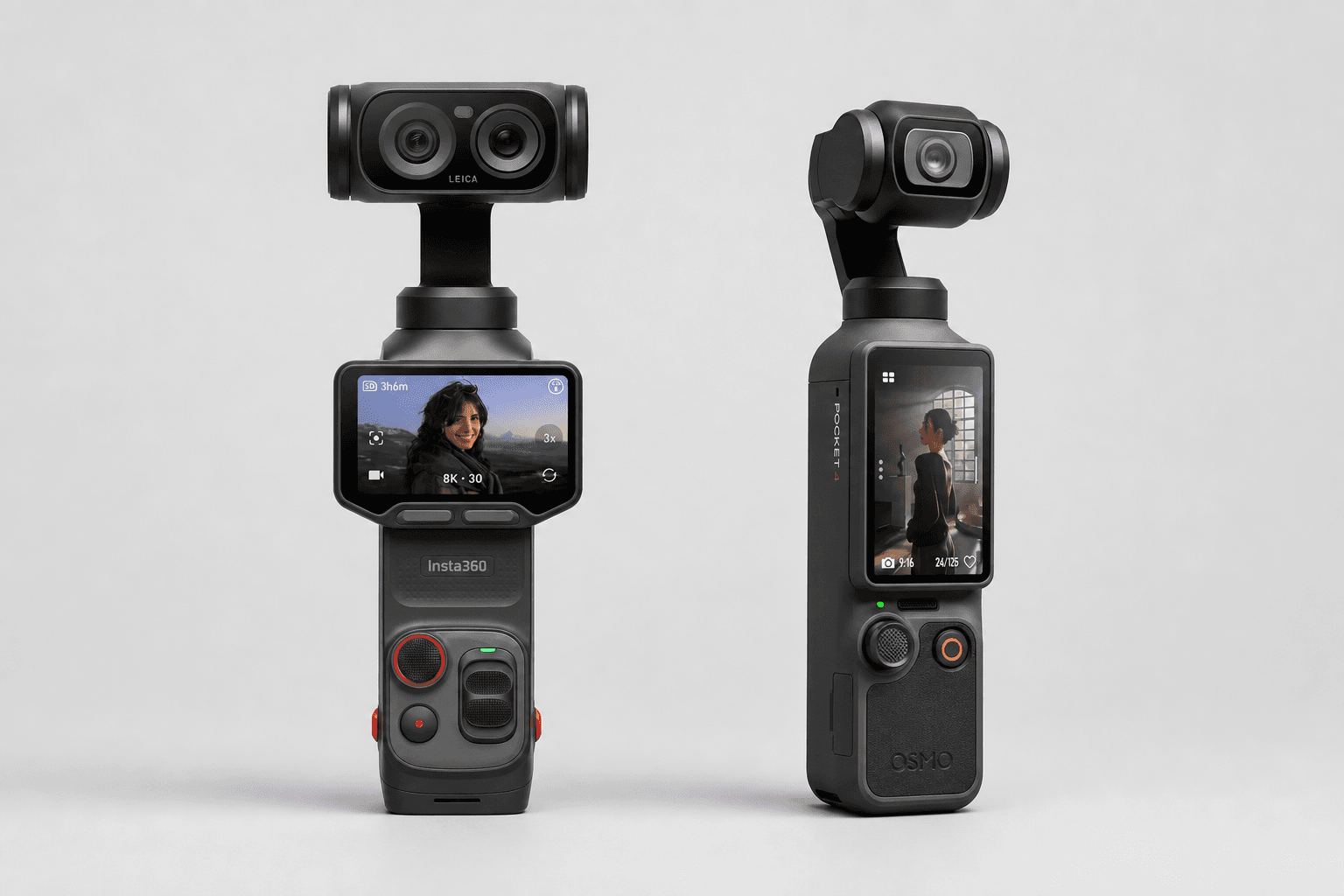
Insta360 Luna Ultra vs DJI Osmo Pocket 4: Which Pocket Gimbal Should You Buy?
Compare Luna Ultra and DJI Pocket 4 by lenses, video, Log formats, storage, U.S. availability, and the filming jobs each pocket gimbal handles best.
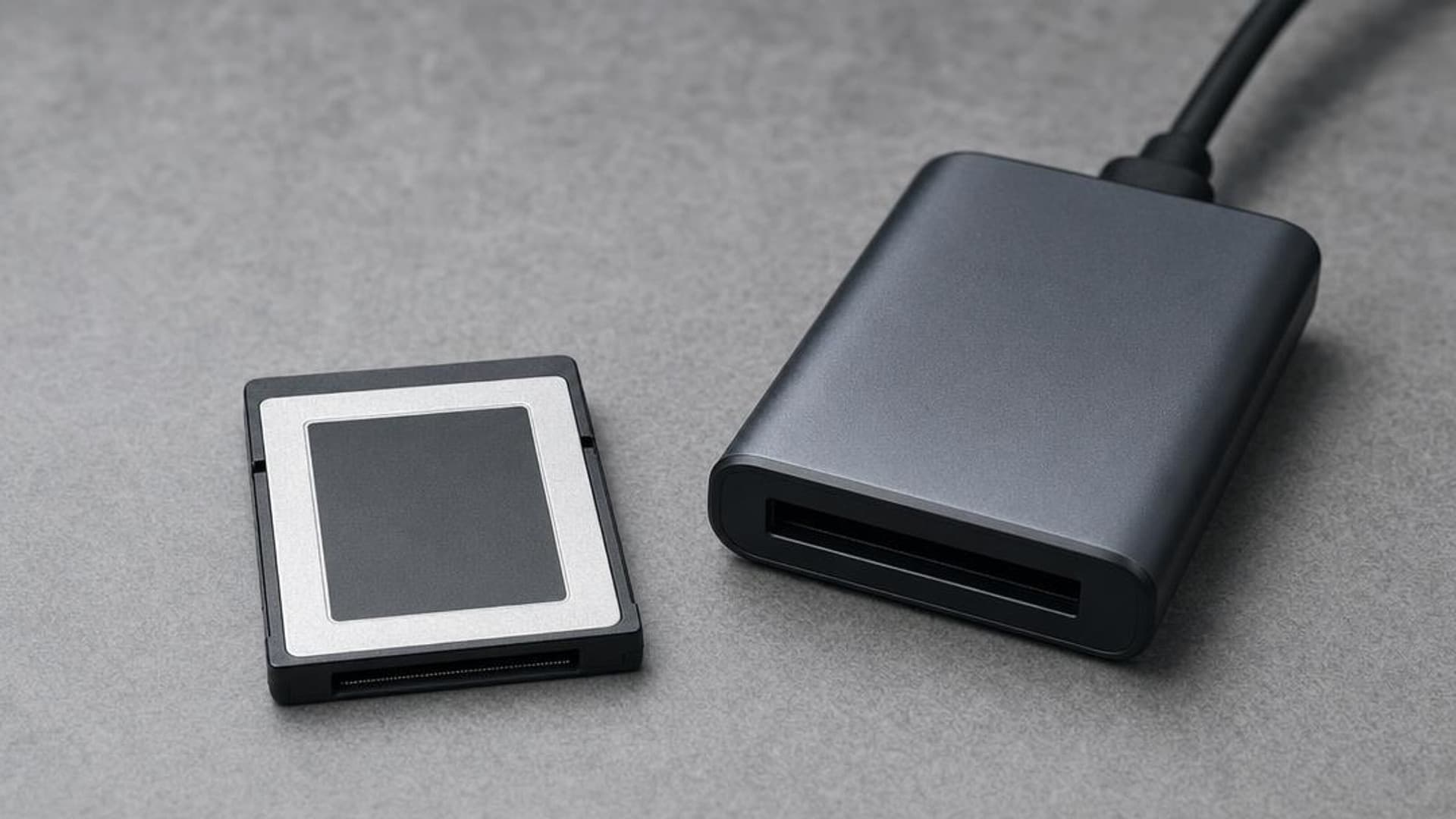
CFexpress 4.0 and VPG Explained: Buy the Card Your Camera Needs
CFexpress 4.0 doubles theoretical bandwidth, while VPG certifies sustained video writes. Learn Type A vs B, VPG classes, and when 4.0 is worth paying for.
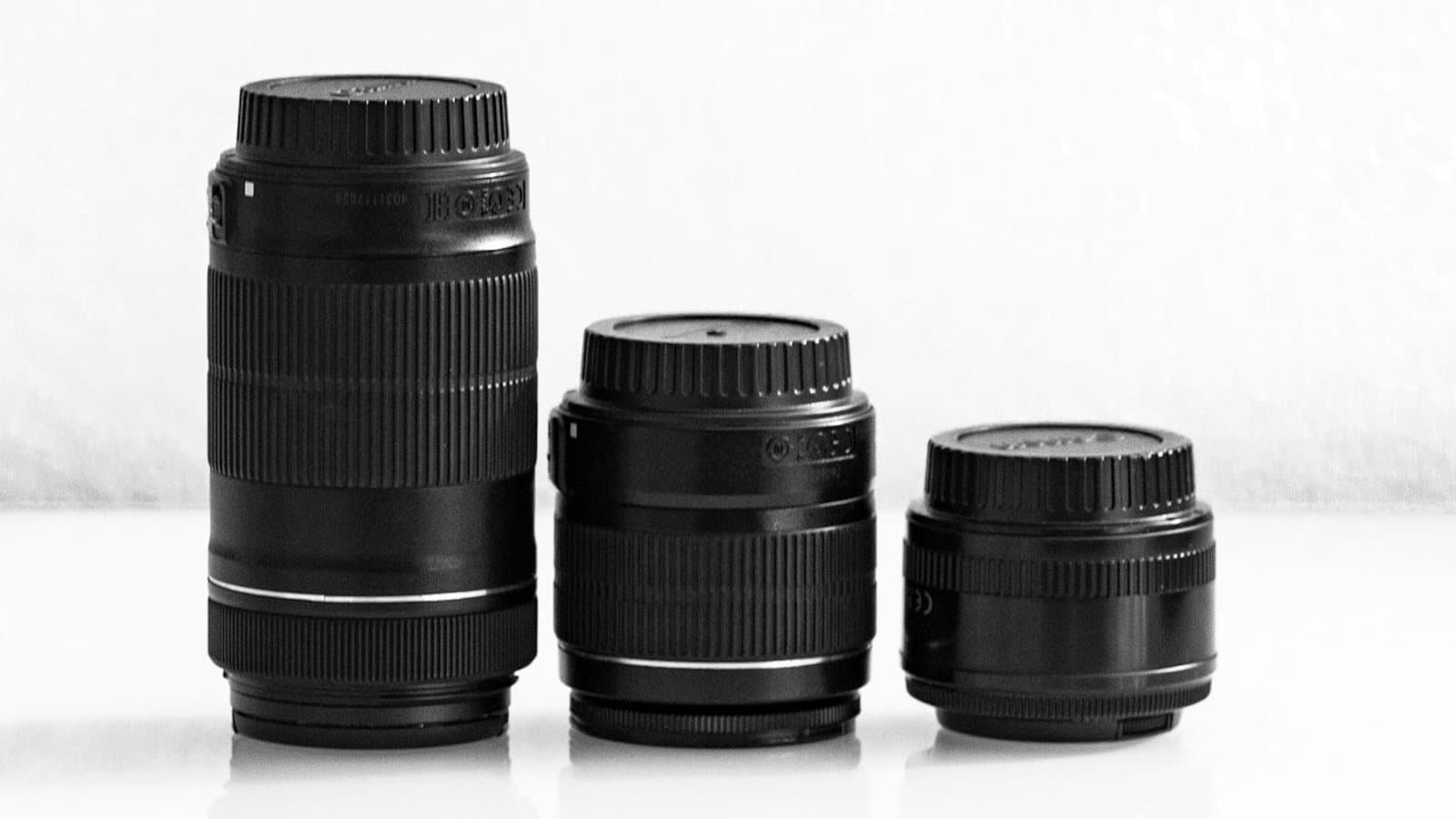
Focal Length Explained: What 24mm, 50mm, 85mm, and 200mm Actually Do
What the millimeter number on a lens changes in the field: angle of view, compression, and working distance. When to reach for 24, 50, 85, or 200mm.
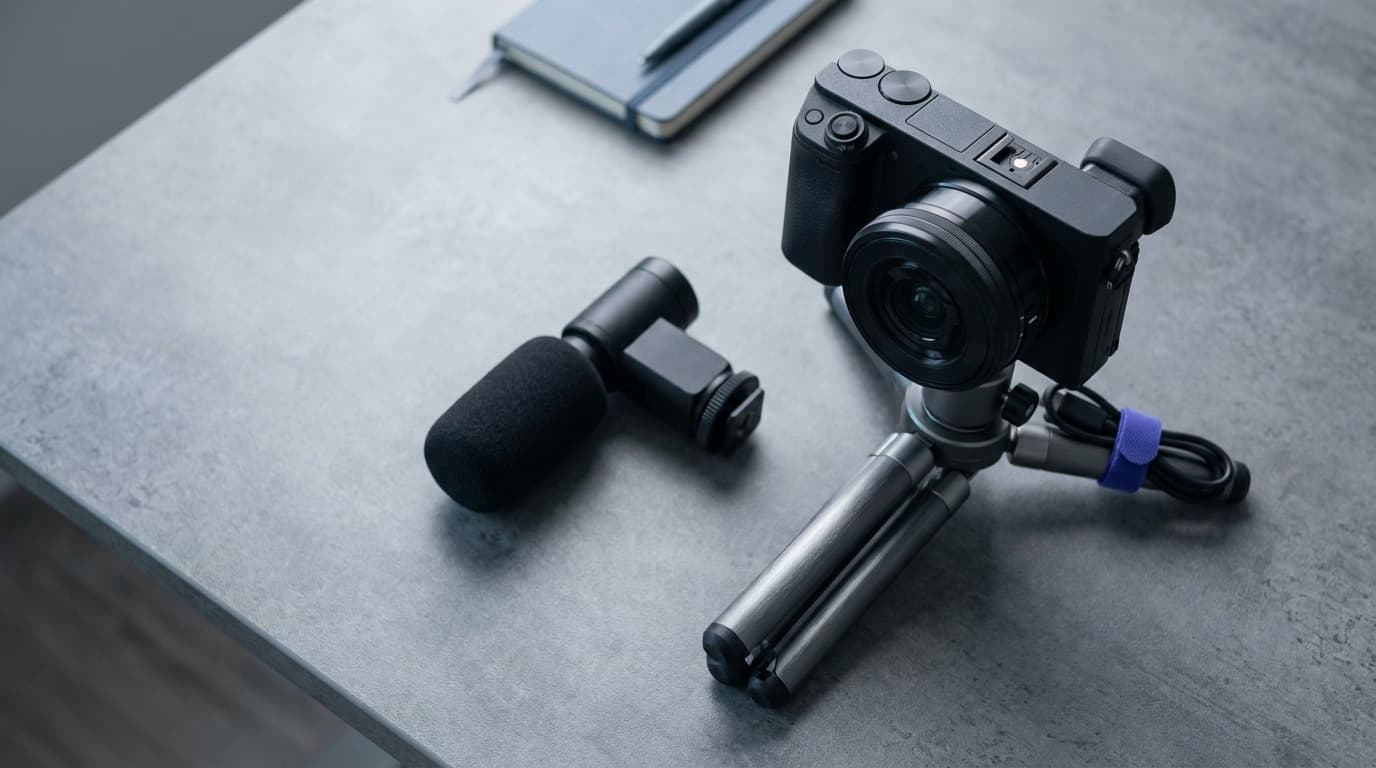
Canon EOS R50 V vs Sony ZV-E10 II: Which Beginner Vlogging Camera Should You Buy?
Canon EOS R50 V is the easier beginner creator kit. Sony ZV-E10 II is the deeper lens-system pick. Compare the practical tradeoffs.
Researched, not personally tested: picks compare specifications, available owner feedback, and established expert sources. As an Amazon Associate I earn from qualifying purchases. We may earn a commission from links here, at no extra cost to you. How we research →