We may earn a commission from links on this page, at no extra cost to you. Picks are researched, not sponsored.
These software picks are tools we research and cross-check against photographer use, not fake storefront products. Most have free tiers; a few planning tools are worth their one-time cost if you shoot landscapes or the night sky. When the plan turns into a real shoot, the physical gear below is where the app's timing actually pays off.
Planning and light
The single most valuable category. Knowing exactly where the sun will set, or when the moon will rise behind a building, turns a lucky shot into a planned one.
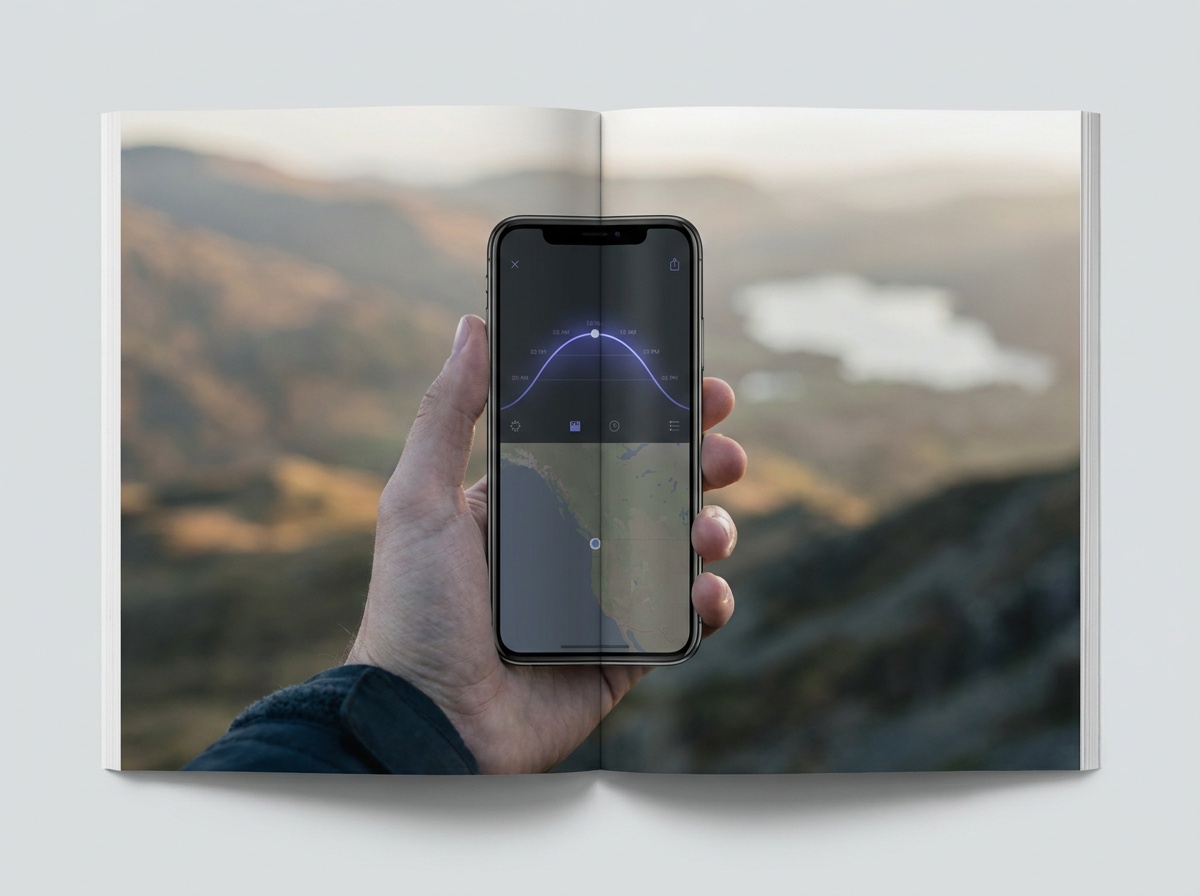
PhotoPills is the most complete planning app and the one serious landscape and astro shooters keep coming back to. It maps the sun, moon, and Milky Way onto your location and date, has an augmented-reality view that shows where a celestial body will appear over the real scene, and includes calculators for depth of field, hyperfocal distance, and long exposures. It has a learning curve, but nothing else does as much in one place.
Sun Surveyor and The Photographer's Ephemeris are the lighter alternatives if PhotoPills feels like too much. Both show sun and moon position and the timing of golden hour and blue hour for any spot on a map, which is often all you need to plan a portrait or landscape session.
Night sky
For planning the stars, PhotoPills again covers Milky Way visibility and position, which pairs directly with the method in our how to photograph the night sky guide.
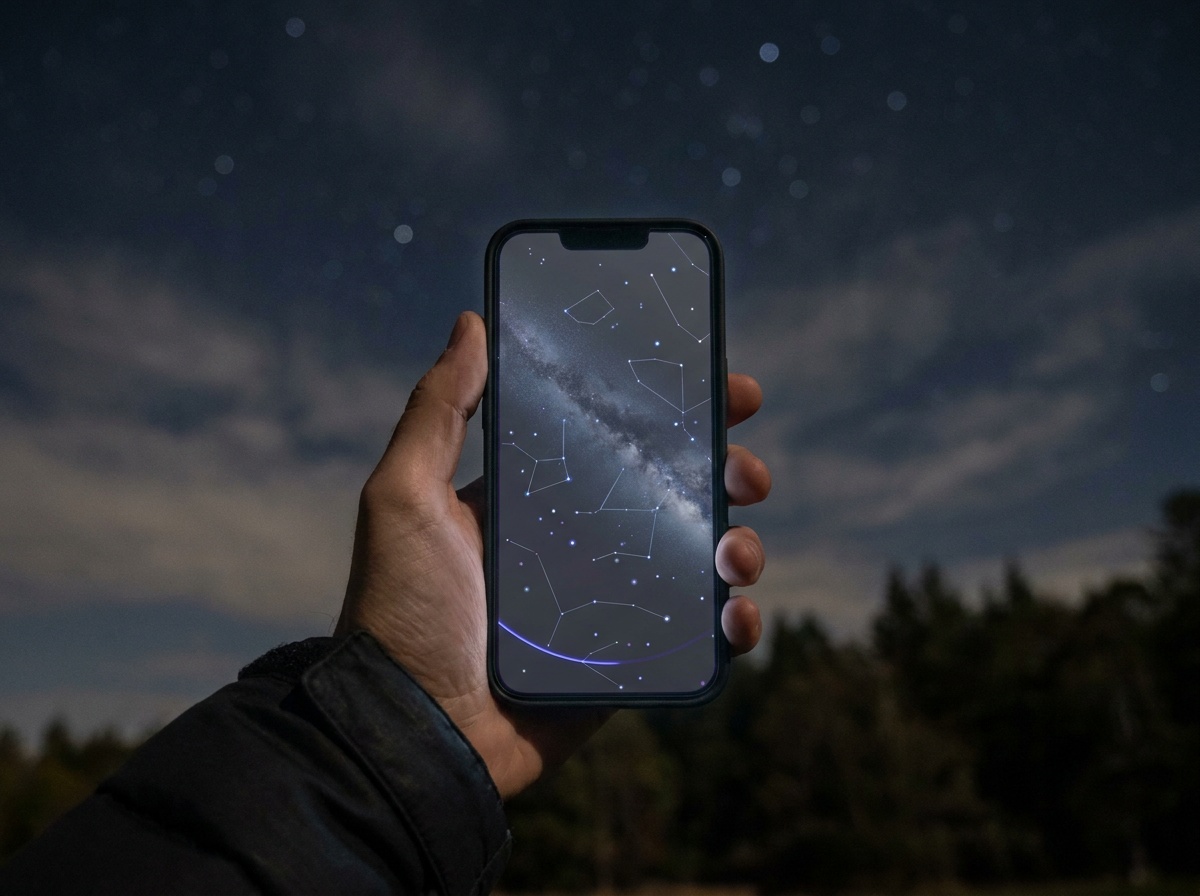
Stellarium is a free planetarium that shows exactly what is in the sky from your location at any time, useful for finding constellations, planets, and the galactic core. A light-pollution map app helps you find genuinely dark skies away from city glow, which matters more than any setting for astrophotography.
Camera utilities
A light meter app turns your phone into a backup meter, handy with older or fully manual cameras that have no built-in metering. A grey-card or white-balance reference app, used with the method in our white balance guide, helps you nail color in tricky mixed light. A simple intervalometer or remote app, where your camera supports it, drives time-lapses and long-exposure sequences without a physical release.
Weather and conditions
Light is weather. A good hourly forecast app, a cloud-cover forecast, and for coastal work a tide app, all decide whether a shoot is worth the drive. Cloud cover in particular makes or breaks a sunrise: a clear sky can be flat, while a sky with some high cloud catches color. Checking the forecast the night before is the cheapest improvement you can make to a landscape session.
How to choose
Do not install everything. Pick one planning app and learn it well; PhotoPills if you want depth, Sun Surveyor if you want simple. Add a sky app if you shoot at night and a reliable weather app for everyone. The apps are only as good as the plan you make with them, so the real skill is reading the conditions and knowing what light you want before you leave.
Useful gear after the app does its job
A planning app gets you to the right place at the right time. The shot still depends on keeping the camera steady, carrying the setup, and controlling exposure when the light is good but too bright for the shutter speed you want.
Research pick
Peak Design Travel Tripod (Aluminum)
Travelers who want the packable design without paying carbon prices.
Check price at AmazonThe Peak Design aluminum tripod is the practical travel support pick. It packs narrow enough to bring on the scouting trip, which matters more than a heavier tripod that stays home. Use it for blue hour, long lenses, time-lapses, and any planned frame where the composition has to stay locked.
Research pick
K&F Concept Nano-X Variable ND2-ND32 77mm
Beginners and budget hybrid shooters wanting a flexible ND.
Check price at AmazonThe K&F Concept variable ND is the budget daylight-control pick. It lets you keep slower shutter speeds for water, movement, or video when the sun-position app says the light is perfect but the scene is still too bright. Match the filter size to your lens or use step-up rings.
Is PhotoPills worth the money?
For landscape, sunrise, sunset, moon, and night-sky photographers, yes. The planning tools and augmented-reality views save wasted trips by telling you exactly where and when the light or the moon will line up. If you only shoot indoors or in the studio, a free sun-position app is plenty and PhotoPills is overkill.
What is the best app for planning sunrise and sunset?
Sun Surveyor and The Photographer's Ephemeris both show sun position and golden-hour timing on a map and are simple to use. PhotoPills does the same with more depth, including an augmented-reality view of where the sun will be over the real scene. Any of the three will tell you when and where to be.
Do photography apps replace learning manual settings?
No. Planning apps tell you when and where to shoot; they do not set your exposure. You still need to understand the exposure triangle to capture what you planned. Think of the apps as scouting and timing tools that put you in the right place, with the camera work still down to you.
Compare picks
The short version
Use this to narrow the list before opening the detailed cards.
Scores weigh fit, owner sentiment, build, and value. Affiliate links do not change pick order. Methodology
Buying order
Start with the skip note. A good deal on the wrong camera is still the wrong camera.
Compare verdictsIf you already own lenses, check the system path before buying into a new mount.
Check systemsOnce the fit makes sense, compare current deals and retailer listings.
Check current deals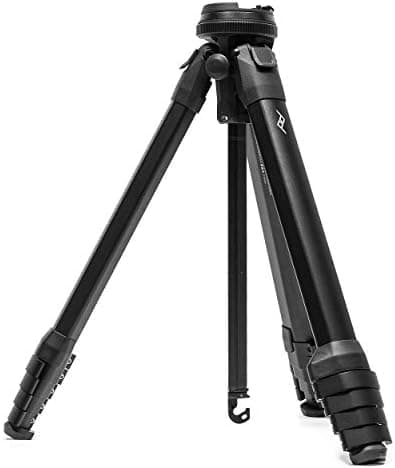
Travelers who want the packable design without paying carbon prices.
Use the retailer for the current price after the tradeoff makes sense. Confirm payload, plate type, height, folded size, and quick-release system.
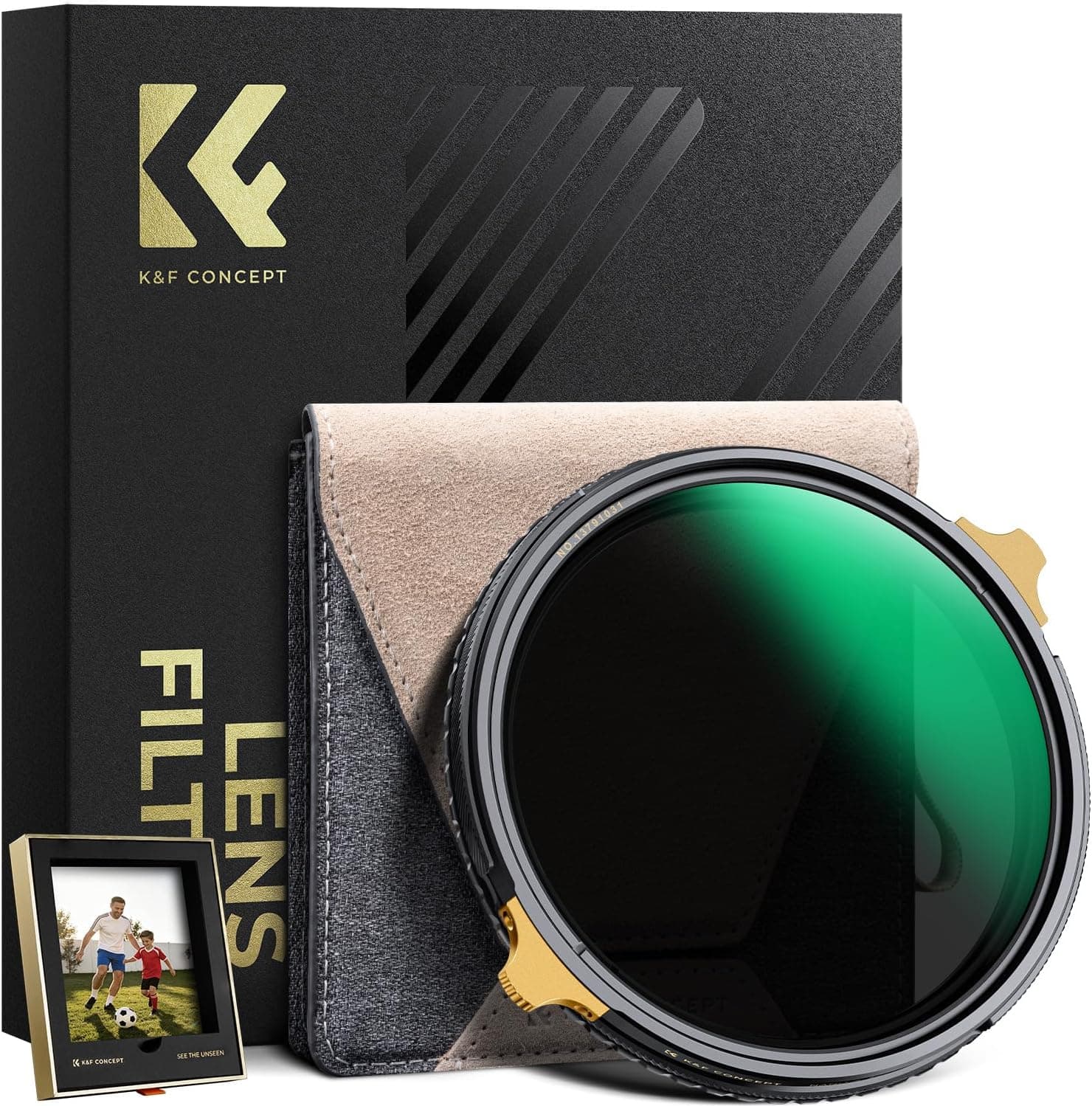
Tradeoff: More color cast than premium glass
Use the retailer for the current price after the tradeoff makes sense. Confirm thread size, adapter rings, stop strength, and whether color shift matters.
Price ladder
The useful range here runs from $65 to $375. Start with the ceiling that matches the assignment.
- Travelers who want the packable design without paying carbon prices.
- Packs down to a very small diameter
- Heavier and cheaper-feeling than the carbon version
Use the retailer for the current price after the tradeoff makes sense. Confirm payload, plate type, height, folded size, and quick-release system.
- Beginners and budget hybrid shooters wanting a flexible ND.
- Strong value
- More color cast than premium glass
Use the retailer for the current price after the tradeoff makes sense. Confirm thread size, adapter rings, stop strength, and whether color shift matters.
| Pick | Score | Price | Verdict | Action |
|---|---|---|---|---|
| PickPeak Design Travel Tripod (Aluminum) | 8.6
| $350 - $400 | Travelers who want the packable design without paying carbon prices. Wins: Packs down to a very small diameter Skip: Heavier and cheaper-feeling than the carbon version | Check Amazon · $350 - $400 Use the retailer for the current price after the tradeoff makes sense. Confirm payload, plate type, height, folded size, and quick-release system. |
| PickK&F Concept Nano-X Variable ND2-ND32 77mm | 8.3
| $55 - $75 | Beginners and budget hybrid shooters wanting a flexible ND. Wins: Strong value Skip: More color cast than premium glass | Check Amazon · $55 - $75 Use the retailer for the current price after the tradeoff makes sense. Confirm thread size, adapter rings, stop strength, and whether color shift matters. |
Related Gear guides
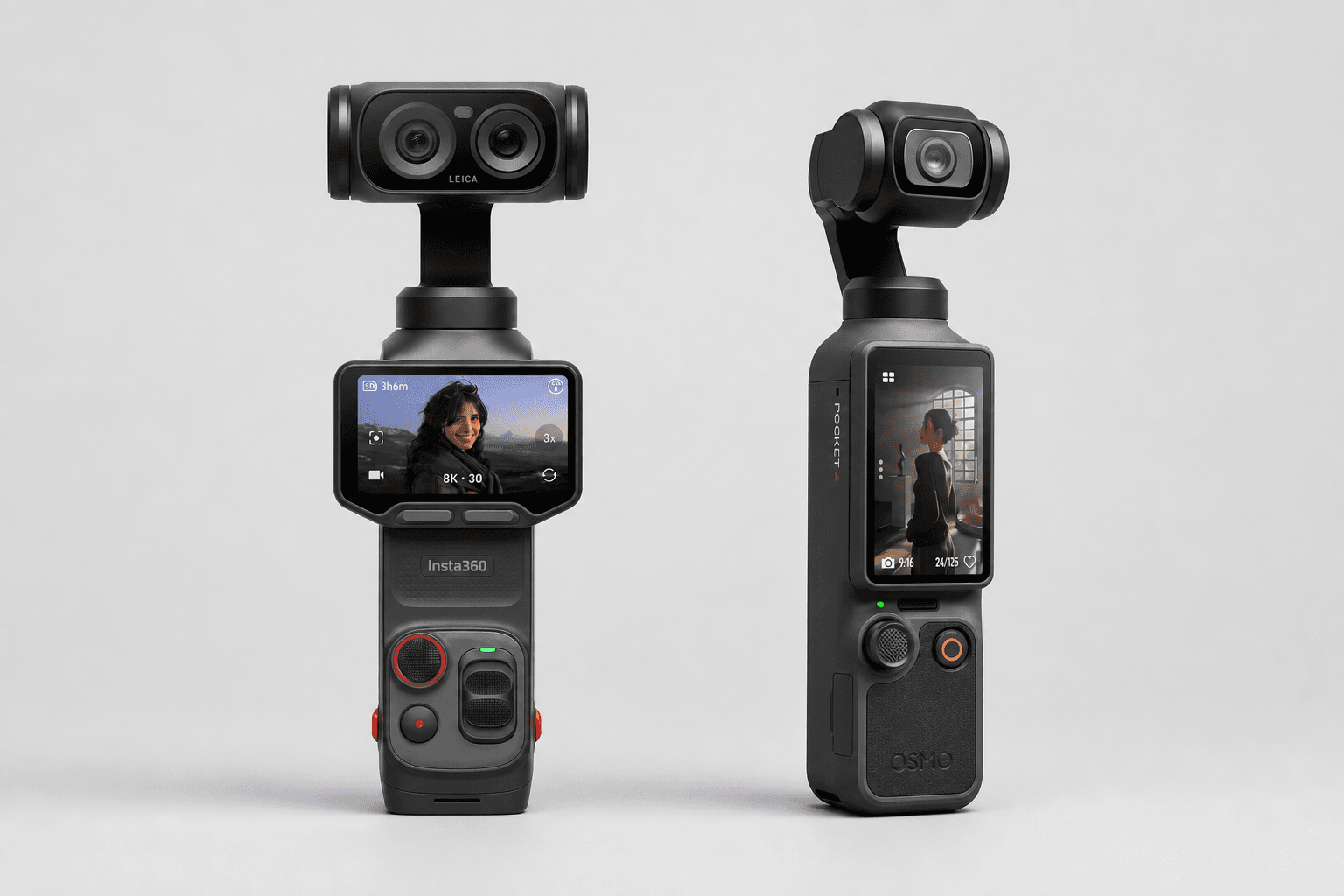
Insta360 Luna Ultra vs DJI Osmo Pocket 4: Which Pocket Gimbal Should You Buy?
Compare Luna Ultra and DJI Pocket 4 by lenses, video, Log formats, storage, U.S. availability, and the filming jobs each pocket gimbal handles best.
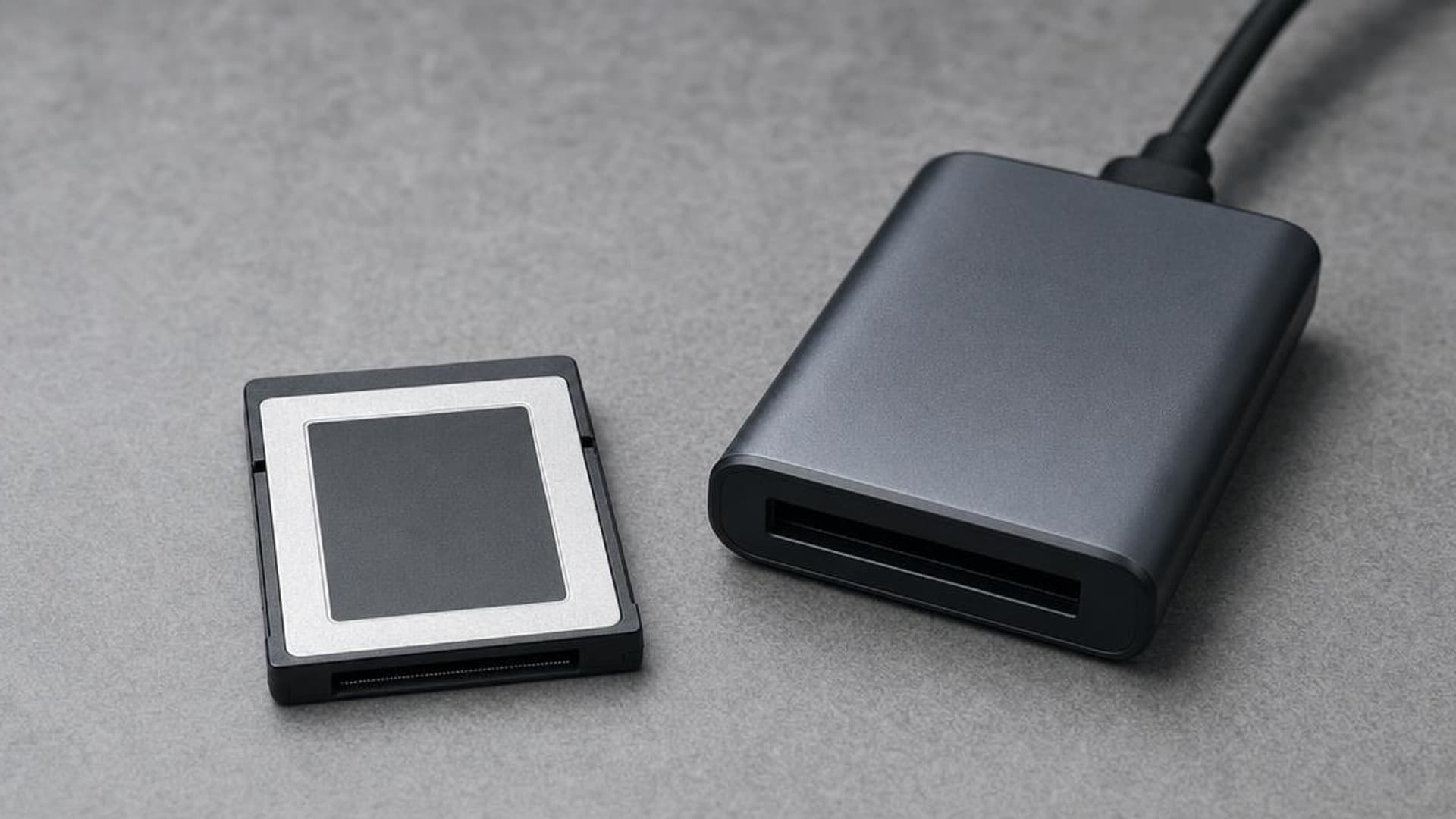
CFexpress 4.0 and VPG Explained: Buy the Card Your Camera Needs
CFexpress 4.0 doubles theoretical bandwidth, while VPG certifies sustained video writes. Learn Type A vs B, VPG classes, and when 4.0 is worth paying for.
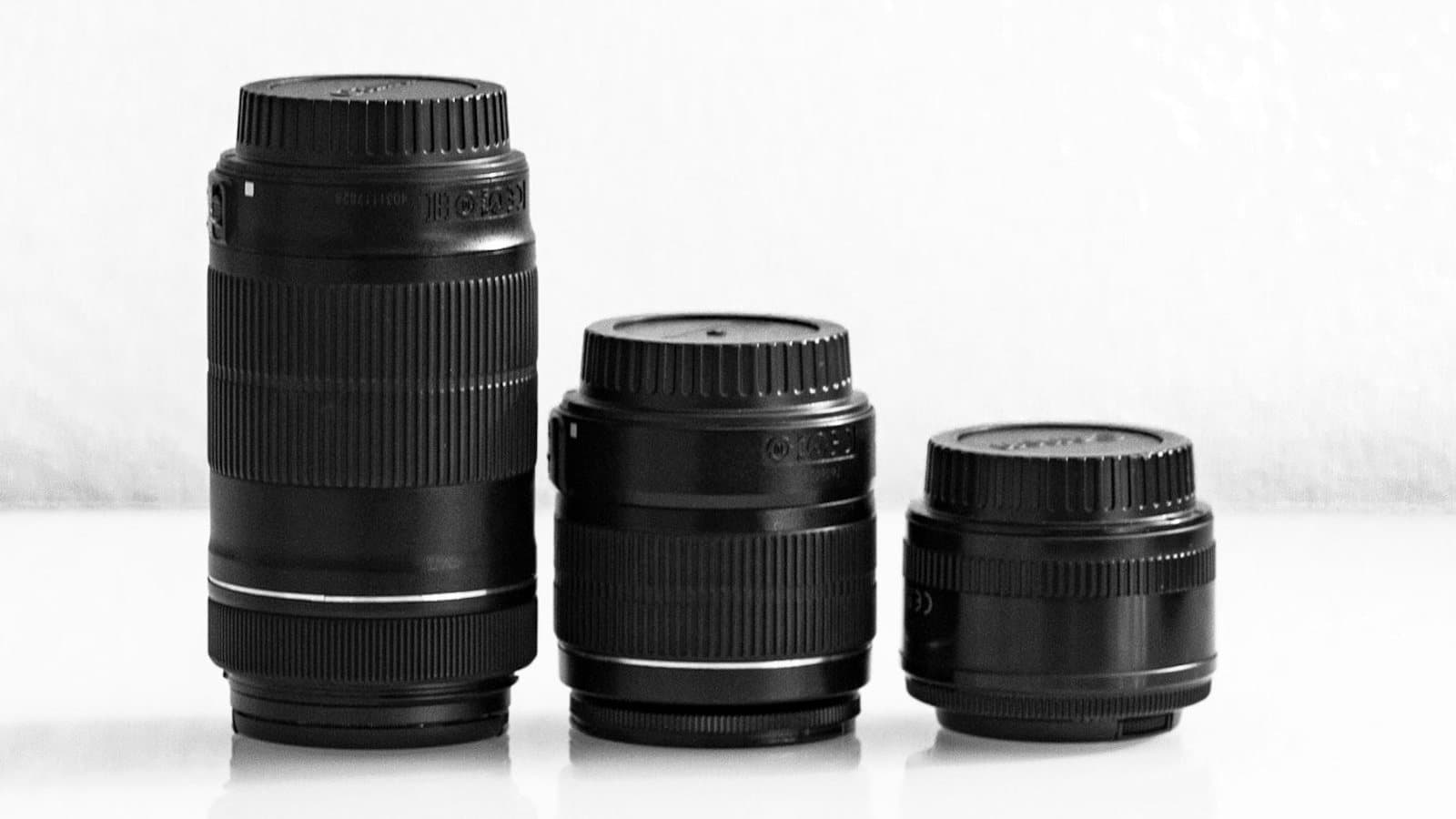
Focal Length Explained: What 24mm, 50mm, 85mm, and 200mm Actually Do
What the millimeter number on a lens changes in the field: angle of view, compression, and working distance. When to reach for 24, 50, 85, or 200mm.
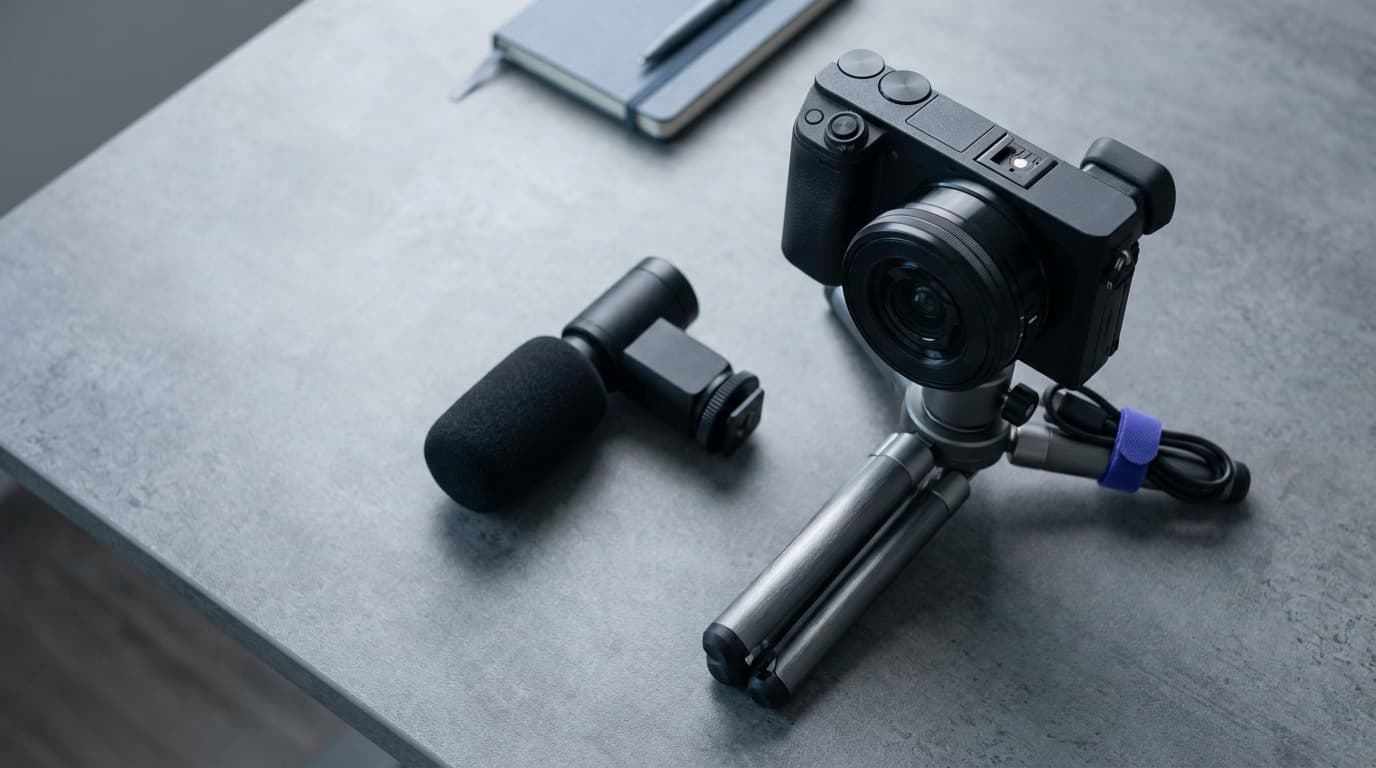
Canon EOS R50 V vs Sony ZV-E10 II: Which Beginner Vlogging Camera Should You Buy?
Canon EOS R50 V is the easier beginner creator kit. Sony ZV-E10 II is the deeper lens-system pick. Compare the practical tradeoffs.
Researched, not personally tested: picks compare specifications, available owner feedback, and established expert sources. As an Amazon Associate I earn from qualifying purchases. We may earn a commission from links here, at no extra cost to you. How we research →