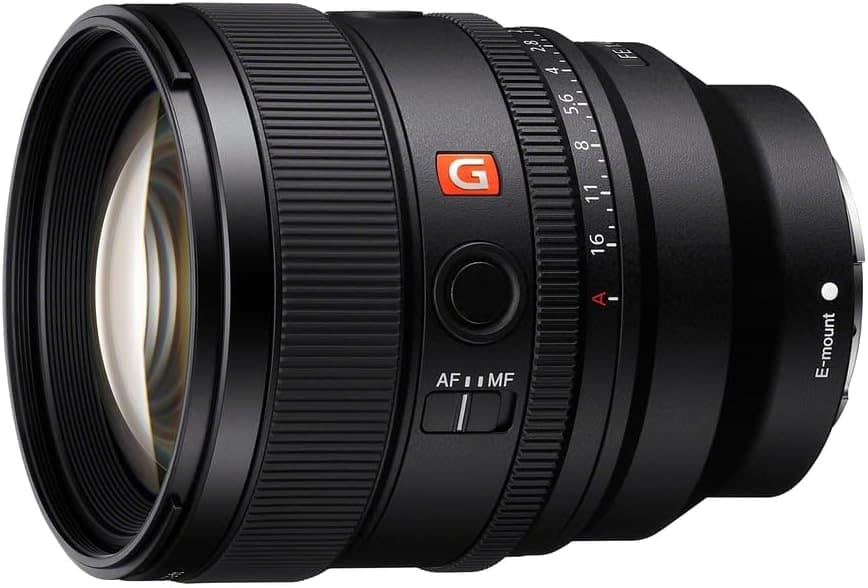
Sony FE 85mm f/1.4 GM II
Best fit: Sony shooters who want the best all-round 85mm for portraits.
$1,699 - $1,899
Skip if: Premium price
Depth of field · hyperfocal distance
Enter sensor, focal length, aperture, and focus distance. Get the near and far limits of acceptable sharpness, the total depth of field, and the hyperfocal distance, with a visual depth bar so the numbers make sense.
Depth of field
Set the sensor, lens, aperture, and focus distance. The calculator returns the near and far limits of acceptable sharpness, and the hyperfocal distance that puts everything from half that distance to infinity in focus.
2.73 m
9.0 ft
3.33 m
10.9 ft
60 cm
2.0 ft
29.8 m
97.8 ft
Depth bar
The tinted band is the acceptably sharp zone. The dot is your focus point. Everything outside the band goes progressively soft.
45% in front · 55% behind
27 cm in front of the subject, 33 cm behind it. The one-third front, two-thirds behind rule is only an approximation; it shifts with distance.
Focus at 29.8 m for sharpness from 14.9 m to infinity
At 50 mm and f/2.8 on full frame, focusing at the hyperfocal distance is the deepest landscape setting this combination can give.
Full frame · 50 mm · f/2.8 · focus 3.00 m · CoC 0.030 mm
Next move
Depth of field is partly math and partly taste. These next steps help you decide whether the answer is a setting change, a focus change, or a different lens.
Gear path
If the calculator says your current lens cannot give the look you want, compare fast portrait glass and close-focus options before replacing the whole camera.
Use the result to name the real limit: light, stability, focal length, or focus distance.
Read best-for and skip-if before the retailer click, so the item has to earn its place.
Compare similar gear and deal history first, then use the retailer button when the choice is clear.
Best fit: Sony shooters who want the best all-round 85mm for portraits.
$1,699 - $1,899
Skip if: Premium price
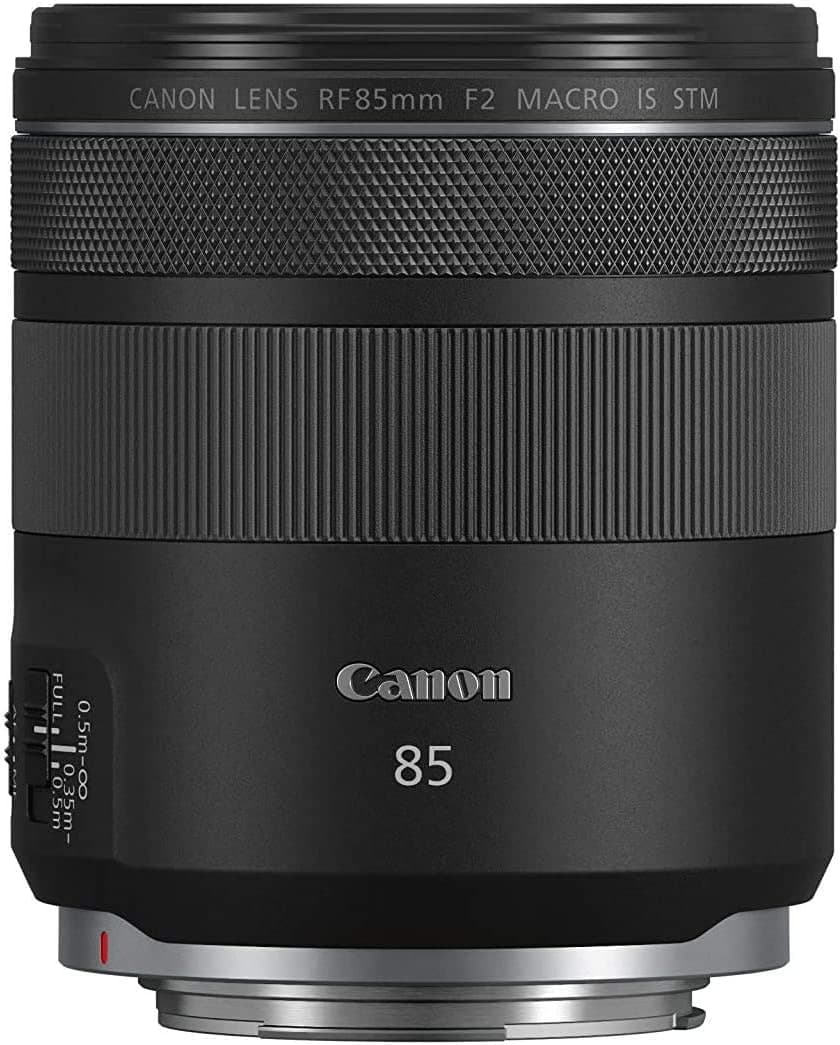
Best fit: Canon RF shooters who want a versatile portrait lens on a budget.
$549 - $649
Skip if: Slower than f/1.4 primes
Product links may earn a commission at no cost to you. Use the calculator first, buy only if the gear solves the actual problem.
Step 1
Choose the sensor format and set the actual focal length of the lens, not the full-frame equivalent.
Step 2
Pick the f-number from the standard third-stop scale and set the distance to your subject in meters.
Step 3
The near and far limits bracket the acceptably sharp zone. The hyperfocal distance is the focus point that keeps everything from half that distance to infinity sharp.
The standard values: 0.030 mm for full frame, 0.020 mm for APS-C (1.5x), 0.019 mm for Canon APS-C (1.6x), and 0.015 mm for Micro Four Thirds. These come from the common sensor-diagonal divided by 1500 convention and match what most lens makers and DoF tables assume.
Your focus distance is at or beyond the hyperfocal distance for that lens, aperture, and sensor. Past that point the equations put the far limit at infinity: everything behind the subject stays acceptably sharp.
No. Sharpness falls off gradually on both sides of the focus plane. The near and far limits mark where blur exceeds the circle of confusion, a threshold tied to a normal print size and viewing distance. Pixel-peeping a high-resolution file at 100 percent will show softness inside the limits.
Not directly. The equations only use focal length, aperture, focus distance, and the circle of confusion. Smaller sensors get deeper depth of field in practice because you use a shorter focal length for the same framing, and the smaller sensor also uses a smaller circle of confusion.