We may earn a commission from links on this page, at no extra cost to you. Picks are researched, not sponsored.
Pet photography is not a normal portrait session with fur. The subject moves without warning, looks away at the perfect moment, and gets uncomfortable if the camera is too close. That means the useful gear is boring in a good way: fast autofocus, a shutter speed you can hold at 1/500 or faster, enough reach to avoid crowding, and a lens bright enough for indoor light.
The pet photography genre guide covers settings and session flow. This guide is the buying side: which bodies and lenses actually remove the bottleneck.
Our quick picks
What matters for pet photography gear?
Start with autofocus. Animal-eye detection is not magic, but it saves more photos than a slightly better sensor when the animal turns its head or trots toward you. A modern mirrorless body with subject tracking is the first serious upgrade.
Next, think about working distance. For calm indoor portraits, a 35mm to 85mm equivalent lens works well. For outdoor dogs, nervous cats, or shelter portraits where you should not crowd the subject, a telephoto zoom is easier. The goal is to fill the frame while the animal still feels relaxed.
Finally, do not buy too much lens too soon. A heavy f/2.8 telephoto is excellent, but it is also expensive and awkward in a small living room. If most of your photos happen indoors, a compact APS-C body and fast standard zoom may make more sense than a full-frame body with giant glass.
The picks
Best APS-C
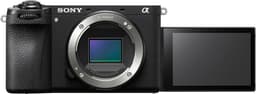
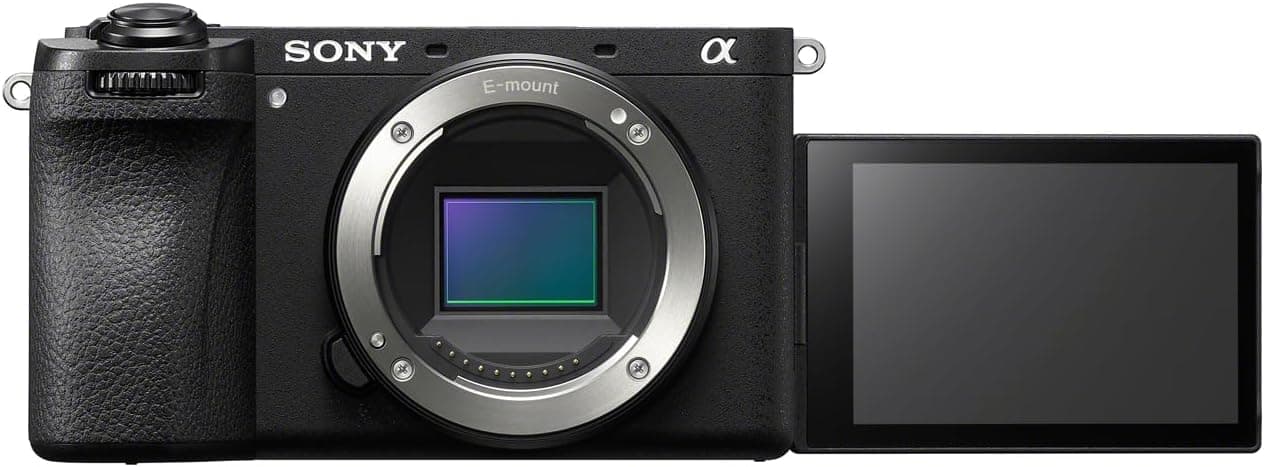
Sony a6700
Enthusiasts who want flagship autofocus in a compact APS-C body.
Check price at AmazonThe Sony a6700 is the cleanest all-round pet photography body in the catalog. It has strong subject recognition, in-body stabilization, fast burst shooting, and a small APS-C body that pairs well with compact lenses. The crop sensor also gives a little extra reach outdoors, which helps when a dog is running across a yard or a cat refuses to come closer.
The tradeoff is Sony's interface. It is better than older Sony menus, but still not as beginner-friendly as Canon. Buy it if autofocus performance matters more than hand-holding.
Best for Beginners
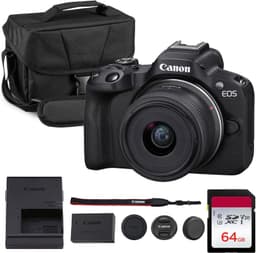
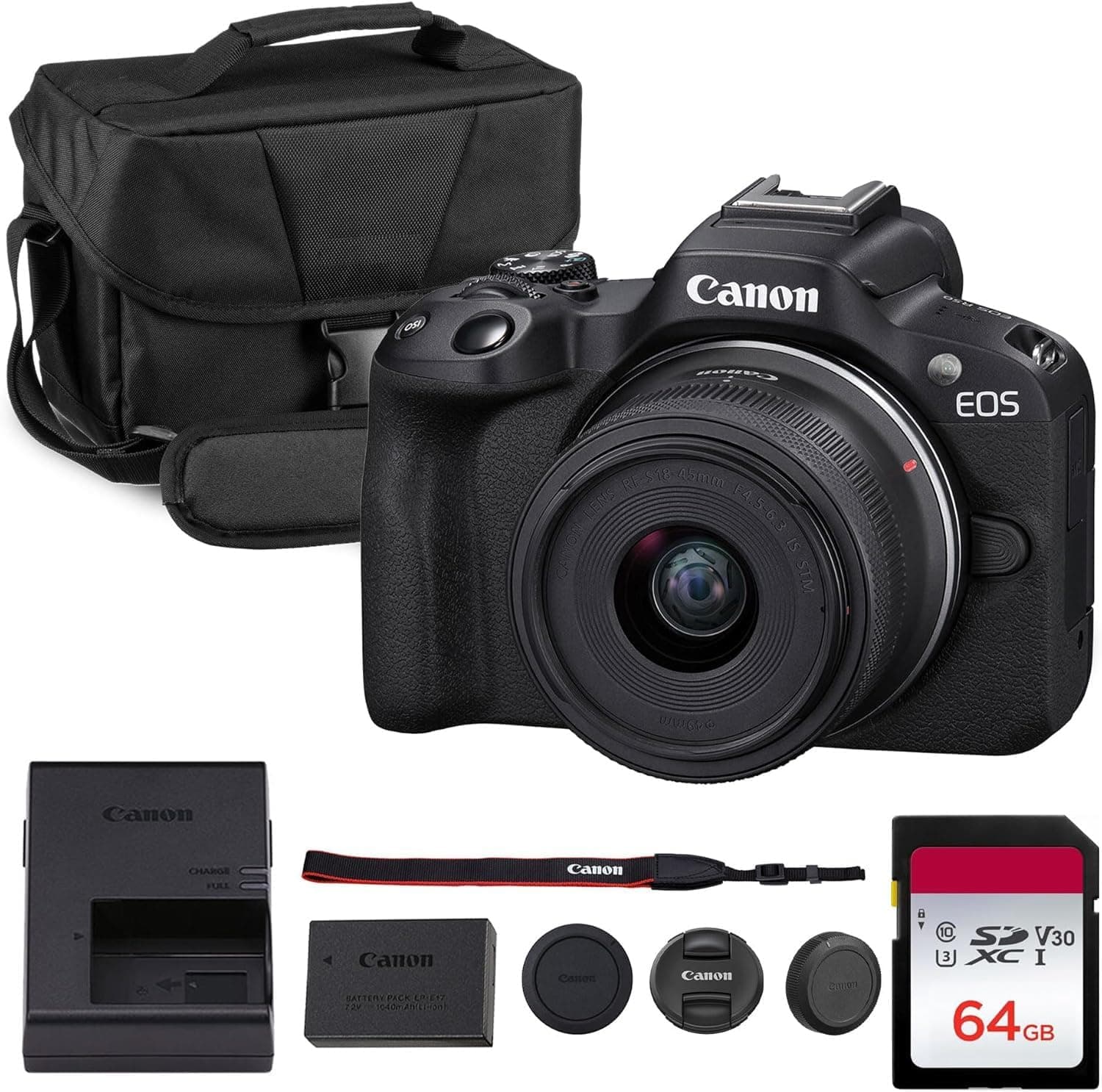
Canon EOS R50
First-time buyers stepping up from a smartphone.
Check price at AmazonThe Canon EOS R50 is the sensible first pet camera. It is small, approachable, and much cheaper than the higher-end bodies, but still includes subject detection that can help with animals. For family pet photos, shelter intake portraits, and social posts, it gets you out of phone-camera limitations without turning the purchase into a professional kit.
The limitation is growth. The body is light and simple, and the lens ecosystem is still filling in at the budget end. If you already know pet work is becoming paid work, the Sony a6700 or a full-frame body gives more room.
Best Overall
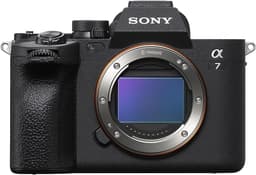
Sony a7 IV
Photographers who want one body that covers stills and video without specializing in either.
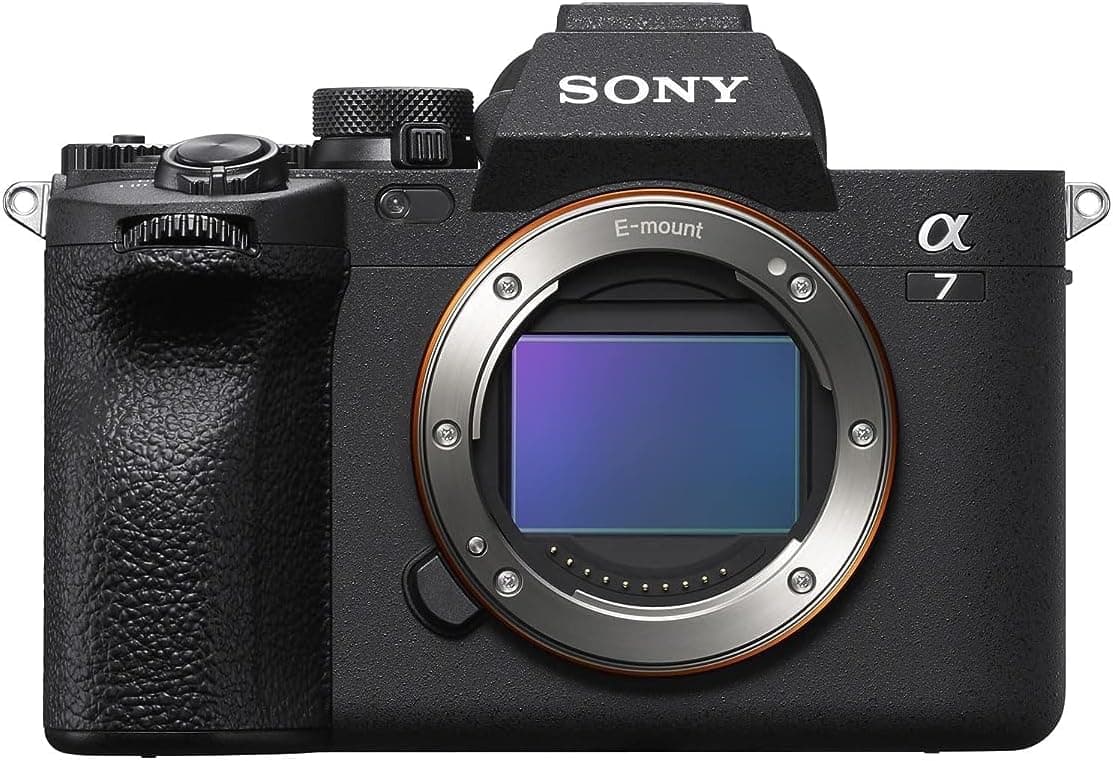
Check price at AmazonThe Sony a7 IV is the full-frame hybrid pick when pet photography overlaps with portraits, events, or client work. It tracks eyes well, gives cleaner files in weak indoor light, and has access to Sony's deep lens catalog. It is overkill for casual snapshots, but it is a strong body if pets are one part of broader people-and-animal work.
The reason not to start here is cost. Full-frame lenses are larger and pricier, and pets do not care how premium the body is if you still shoot at too slow a shutter speed.
Research pick
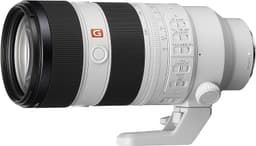
Sony FE 70-200mm f/2.8 GM OSS II
Event, sports, and portrait shooters who need reach at f/2.8.
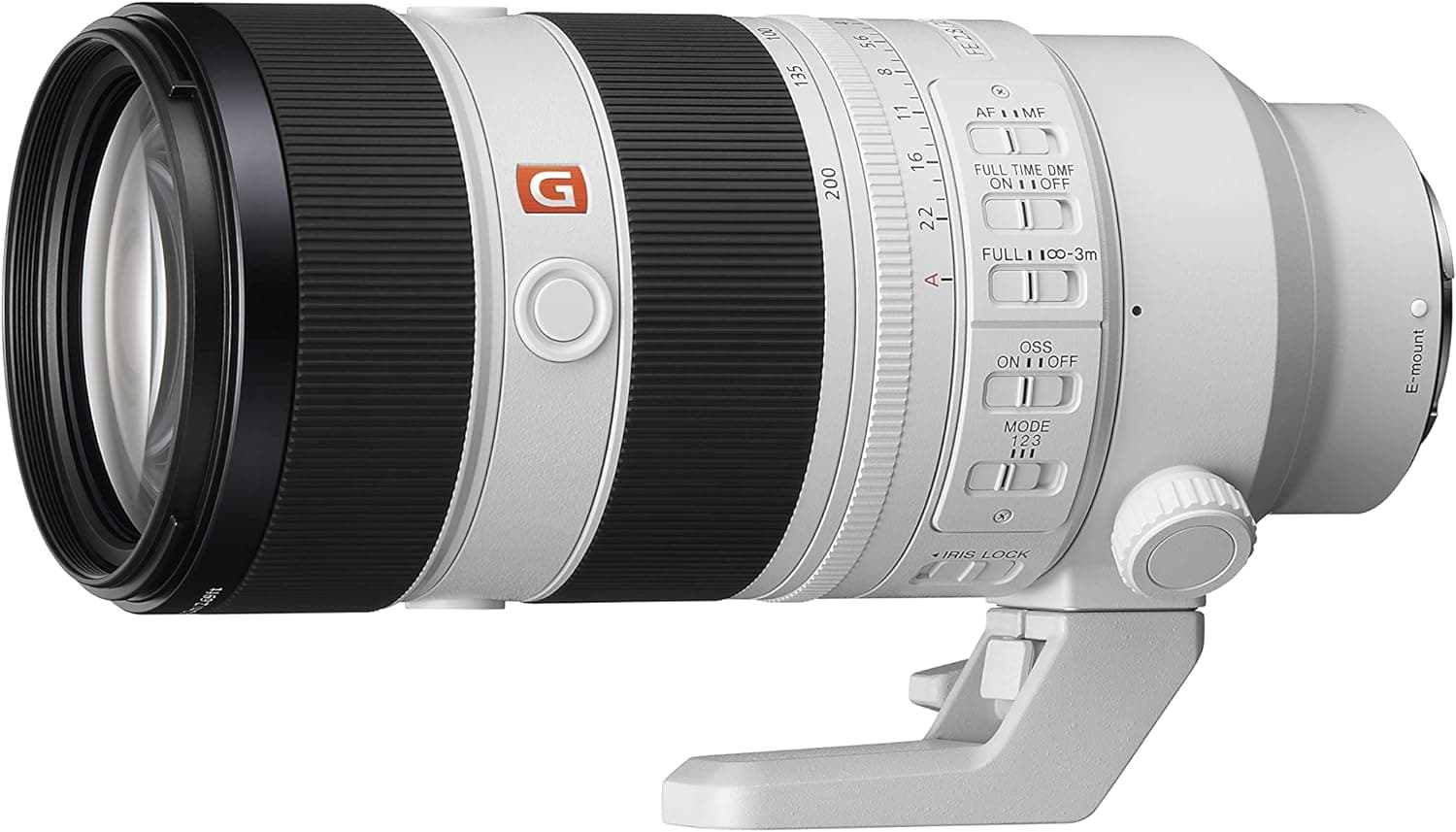
Check price at AmazonThe Sony FE 70-200mm f/2.8 GM OSS II is the serious outdoor pet lens. It lets you photograph a running dog from across a field, compress the background, and keep enough shutter speed in late-day light. The 70-200mm range is also useful for events and portraits, so it is not a one-job purchase.
It is expensive and too much for many indoor homes. Buy it when action, distance, or paid sessions justify the weight.
Best Value
Canon RF 100-400mm f/5.6-8 IS USM
Canon RF shooters who want budget wildlife and sports reach.
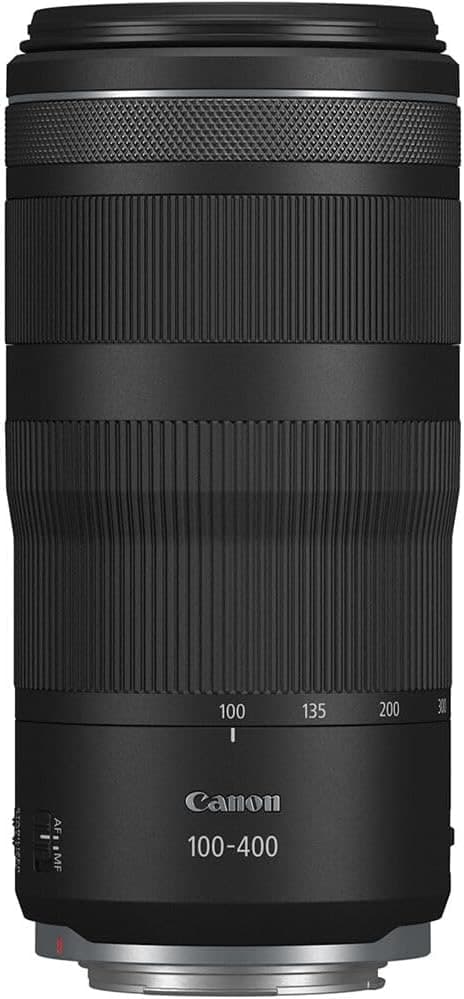
Check price at AmazonThe Canon RF 100-400mm is the reach-for-less option. It is not a bright indoor lens, but outdoors it gives a huge range without the cost and weight of professional telephotos. For dogs at a park, agility work, or pets that need space, it lets you stay back and still fill the frame.
The small maximum aperture means you need decent light. In dim rooms, use a faster short lens instead.
Best Value
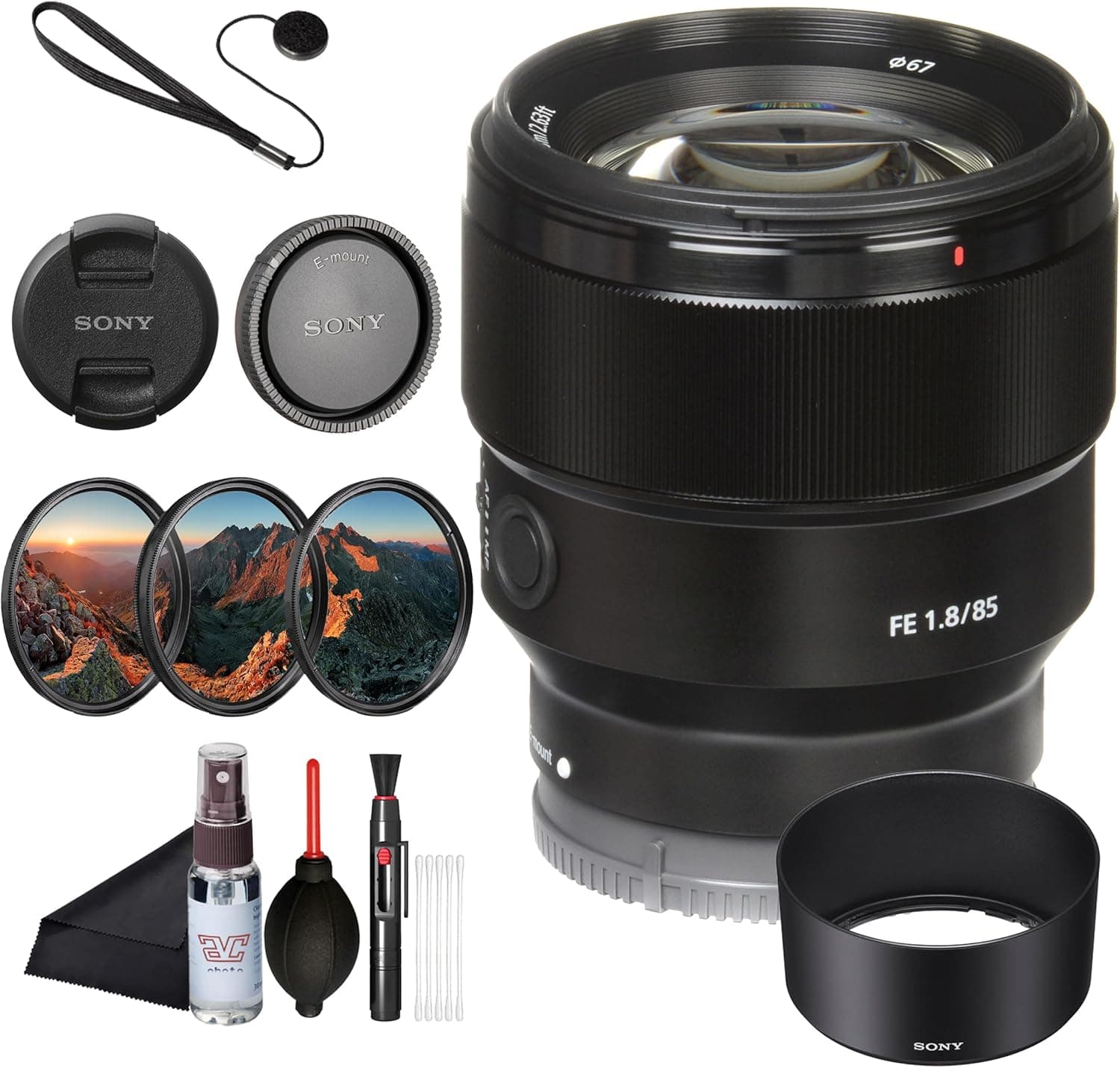
Sony FE 85mm f/1.8
Portrait shooters who want classic 85mm compression without the GM price.
Check price at AmazonThe Sony FE 85mm f/1.8 is the simple portrait lens for calm pets. It gives flattering compression, strong background blur, and enough working distance that you are not hovering over the animal. For seated dogs, cats near a window, and owner-and-pet portraits, it is easier to live with than a huge zoom.
The fixed focal length is the constraint. In tight rooms, you may run out of space and need something wider.
Best Overall
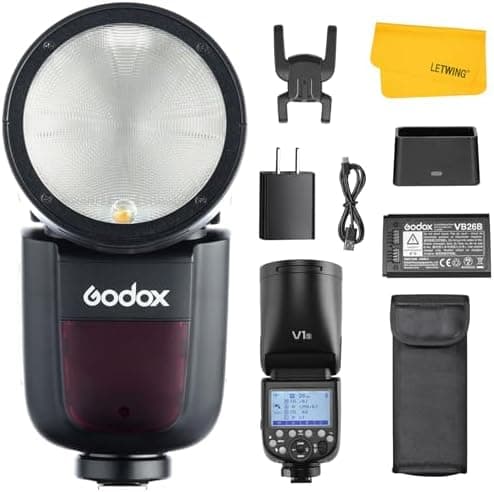
Godox V1
Event and portrait shooters who want soft on-camera fill and the Godox radio ecosystem.
Check price at AmazonThe Godox V1 is useful when pet portraits become more controlled. Bounced off a white ceiling or fired through a modifier, it can lift dim indoor light while keeping the shutter fast. Use it gently and avoid direct flash into an animal's eyes.
Flash is not the first purchase for most pet photographers. Start with autofocus and lens choice, then add light when the location keeps forcing high ISO or slow shutters.
What should you buy first?
If you are starting from a phone, buy the body first: Canon EOS R50 for the simple route, Sony a6700 if animal tracking and growth matter more. Use the kit lens for a few sessions so you learn your real working distance.
If you already own a body, buy the lens that matches the animal. Indoor cats and calm portraits want a fast prime or standard zoom. Running dogs and nervous animals want reach. Paid outdoor sessions eventually justify a 70-200mm, but casual pet photos rarely need that as the first lens.
If you already own a decent body and lens, buy light last. A bounced flash or small continuous light can clean up indoor portraits, but it will not fix bad timing or missed focus.
Common buying mistakes
- Buying the longest lens for a tiny room. Reach helps outdoors, but indoors it can force you into walls and doorways.
- Ignoring autofocus. Pet photos fail because focus misses the eye, not because the camera lacks one more stop of dynamic range.
- Using direct flash. It startles animals and makes fur look harsh. Bounce or diffuse the light.
- Spending the whole budget on the body. A modest body with the right lens beats a better body with the wrong working distance.
Where to go next
Use how to photograph pets for the session workflow, then use the Camera Gear Finder if you want to filter by budget and system. For fast animals outdoors, the wildlife photography guide is also useful because the autofocus and shutter-speed logic overlap.
What is the best camera for pet photography?
The Sony a6700 is the best all-round pick for most people because its subject tracking is strong, the body is compact, and APS-C gives useful reach. The Canon EOS R50 is the cheaper beginner route.
What lens is best for dog photography?
For outdoor dogs, a 70-200mm or 100-400mm zoom gives room to work without crowding the animal. For indoor portraits, use a fast prime or standard zoom instead.
Do I need full-frame for pet photography?
No. APS-C is often better value for pets because the bodies are smaller and the crop factor helps with reach. Full-frame helps in low light and paid portrait work, but it is not required.
Compare picks
The short version
Use this to narrow the list before opening the detailed cards.
Scores weigh fit, owner sentiment, build, and value. Affiliate links do not change pick order. Methodology
Buying order
Start with the skip note. A good deal on the wrong camera is still the wrong camera.
Compare verdictsIf you already own lenses, check the system path before buying into a new mount.
Check systemsOnce the fit makes sense, compare current deals and retailer listings.
Check current dealsCamera system shortcut
If you already own one of these systems, keep the comparison inside that ecosystem before checking out.
Autofocus hybrid kits
Simple camera paths
Lighting systems
Photographers who want one body that covers stills and video without specializing in either.
Use the retailer for the current price after the tradeoff makes sense. Confirm lens mount, sensor format, battery, charger, and kit contents.
Tradeoff: Slow f/5.6-8 aperture
Use the retailer for the current price after the tradeoff makes sense. Confirm mount, focal length, filter size, and autofocus compatibility.
9.4/10 Aperture Score
Use the retailer for the current price after the tradeoff makes sense. Confirm mount, focal length, filter size, and autofocus compatibility.
$195 - $225
Use the retailer for the current price after the tradeoff makes sense. Confirm lens mount, sensor format, battery, charger, and kit contents.
Price ladder
The useful range here runs from $210 to $3,275. Start with the ceiling that matches the assignment.
- Enthusiasts who want flagship autofocus in a compact APS-C body.
- AI-based subject recognition autofocus
- Single card slot
Use the retailer for the current price after the tradeoff makes sense. Confirm lens mount, sensor format, battery, charger, and kit contents.
- First-time buyers stepping up from a smartphone.
- Easy to learn with guided menus
- No in-body stabilization
Use the retailer for the current price after the tradeoff makes sense. Confirm lens mount, sensor format, battery, charger, and kit contents.
- Photographers who want one body that covers stills and video without specializing in either.
- Strong autofocus with reliable subject tracking
- 4K 60p comes with an APS-C crop
Use the retailer for the current price after the tradeoff makes sense. Confirm lens mount, sensor format, battery, charger, and kit contents.
- Event, sports, and portrait shooters who need reach at f/2.8.
- Light for the class
- Expensive
Use the retailer for the current price after the tradeoff makes sense. Confirm mount, focal length, filter size, and autofocus compatibility.
- Canon RF shooters who want budget wildlife and sports reach.
- Light and compact
- Slow f/5.6-8 aperture
Use the retailer for the current price after the tradeoff makes sense. Confirm mount, focal length, filter size, and autofocus compatibility.
- Portrait shooters who want classic 85mm compression without the GM price.
- Sharp across the frame
- Some longitudinal chromatic aberration wide open
Use the retailer for the current price after the tradeoff makes sense. Confirm mount, focal length, filter size, and autofocus compatibility.
- Event and portrait shooters who want soft on-camera fill and the Godox radio ecosystem.
- Round head produces softer edge transitions
- Heavier and pricier than rectangular speedlights
Use the retailer for the current price after the tradeoff makes sense. Confirm lens mount, sensor format, battery, charger, and kit contents.
| Pick | Score | Price | Verdict | Action |
|---|---|---|---|---|
 Best APS-CSony a6700 Best APS-CSony a6700 | 8.8
| $1,300 - $1,500 | Enthusiasts who want flagship autofocus in a compact APS-C body. Wins: AI-based subject recognition autofocus Skip: Single card slot | Check Amazon · $1,300 - $1,500 Use the retailer for the current price after the tradeoff makes sense. Confirm lens mount, sensor format, battery, charger, and kit contents. |
 Best for BeginnersCanon EOS R50 Best for BeginnersCanon EOS R50 | 8.2
| $700 - $780 | First-time buyers stepping up from a smartphone. Wins: Easy to learn with guided menus Skip: No in-body stabilization | Check Amazon · $700 - $780 Use the retailer for the current price after the tradeoff makes sense. Confirm lens mount, sensor format, battery, charger, and kit contents. |
| Best OverallSony a7 IV | 9.0
| $1,990 - $2,240 | Photographers who want one body that covers stills and video without specializing in either. Wins: Strong autofocus with reliable subject tracking Skip: 4K 60p comes with an APS-C crop | Check Amazon · $1,990 - $2,240 Use the retailer for the current price after the tradeoff makes sense. Confirm lens mount, sensor format, battery, charger, and kit contents. |
| PickSony FE 70-200mm f/2.8 GM OSS II | 9.4
| $3,050 - $3,500 | Event, sports, and portrait shooters who need reach at f/2.8. Wins: Light for the class Skip: Expensive | Check Amazon · $3,050 - $3,500 Use the retailer for the current price after the tradeoff makes sense. Confirm mount, focal length, filter size, and autofocus compatibility. |
| Best ValueCanon RF 100-400mm f/5.6-8 IS USM | 8.4
| $650 - $750 | Canon RF shooters who want budget wildlife and sports reach. Wins: Light and compact Skip: Slow f/5.6-8 aperture | Check Amazon · $650 - $750 Use the retailer for the current price after the tradeoff makes sense. Confirm mount, focal length, filter size, and autofocus compatibility. |
 Best ValueSony FE 85mm f/1.8 Best ValueSony FE 85mm f/1.8 | 8.7
| $435 - $495 | Portrait shooters who want classic 85mm compression without the GM price. Wins: Sharp across the frame Skip: Some longitudinal chromatic aberration wide open | Check Amazon · $435 - $495 Use the retailer for the current price after the tradeoff makes sense. Confirm mount, focal length, filter size, and autofocus compatibility. |
| Best OverallGodox V1 | 8.7
| $195 - $225 | Event and portrait shooters who want soft on-camera fill and the Godox radio ecosystem. Wins: Round head produces softer edge transitions Skip: Heavier and pricier than rectangular speedlights | Check Amazon · $195 - $225 Use the retailer for the current price after the tradeoff makes sense. Confirm lens mount, sensor format, battery, charger, and kit contents. |
Related Gear guides
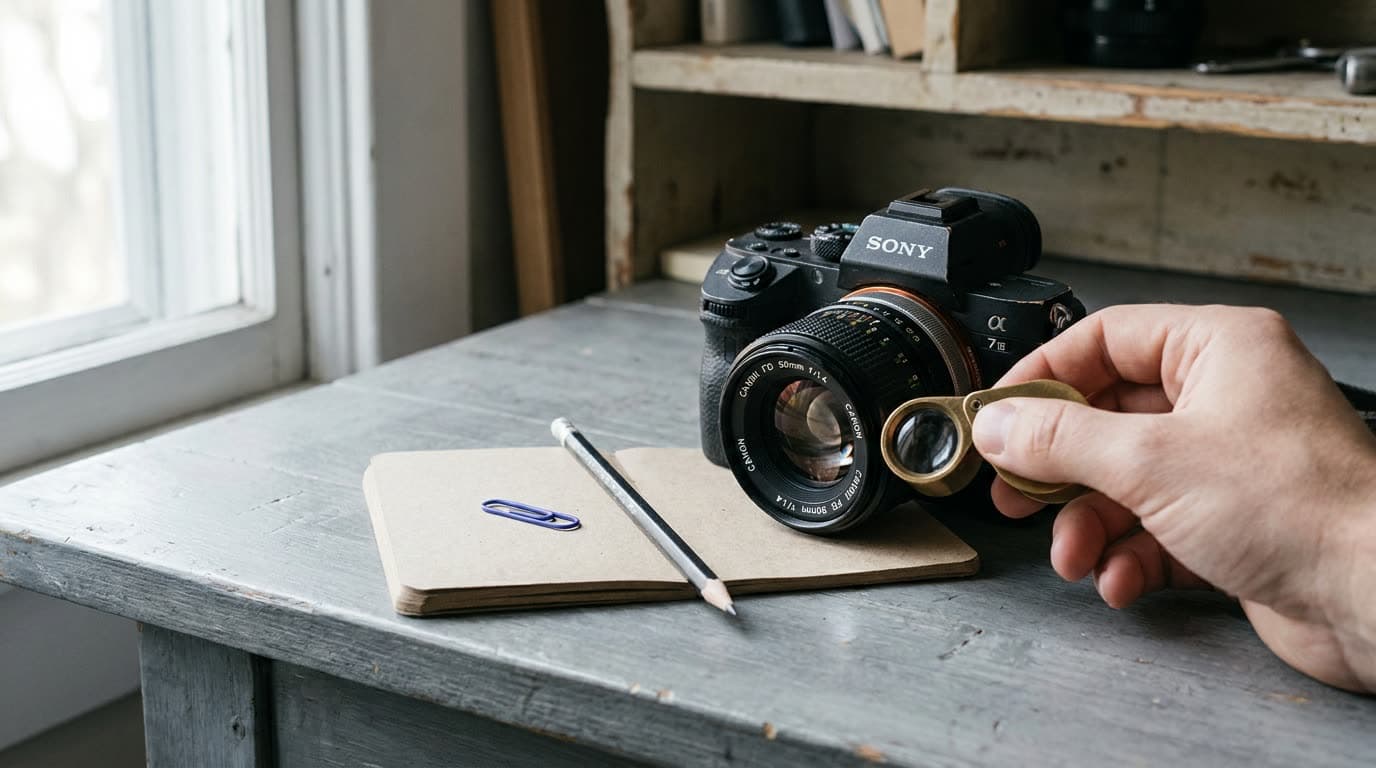
How to Buy Used Camera Gear in 2026: Inspect and Buy Safely
Buying used cameras and lenses saves money if you know what to check. Here is how to inspect a used body and lens, read shutter count, and where to buy.
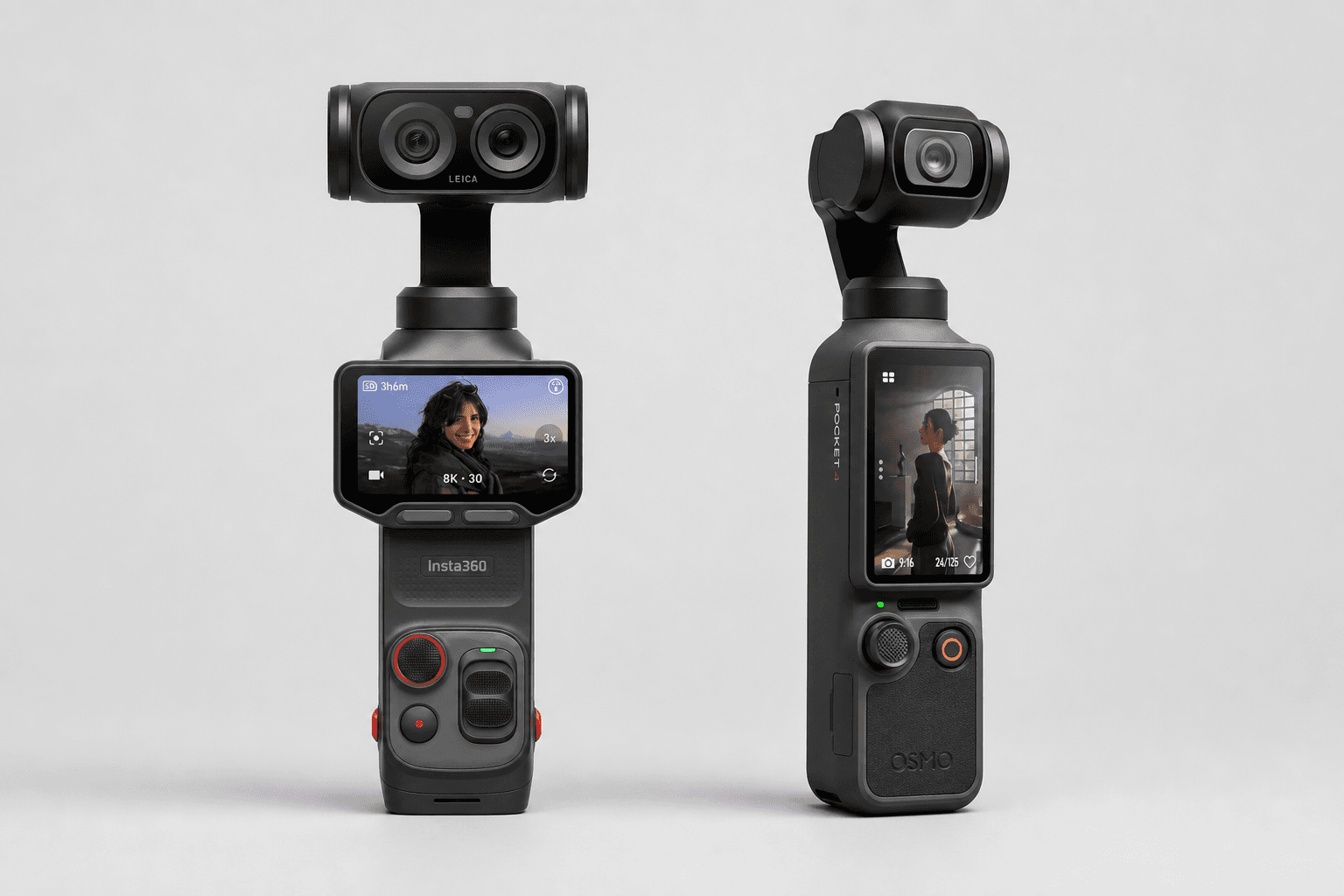
Insta360 Luna Ultra vs DJI Osmo Pocket 4: Which Pocket Gimbal Should You Buy?
Compare Luna Ultra and DJI Pocket 4 by lenses, video, Log formats, storage, U.S. availability, and the filming jobs each pocket gimbal handles best.
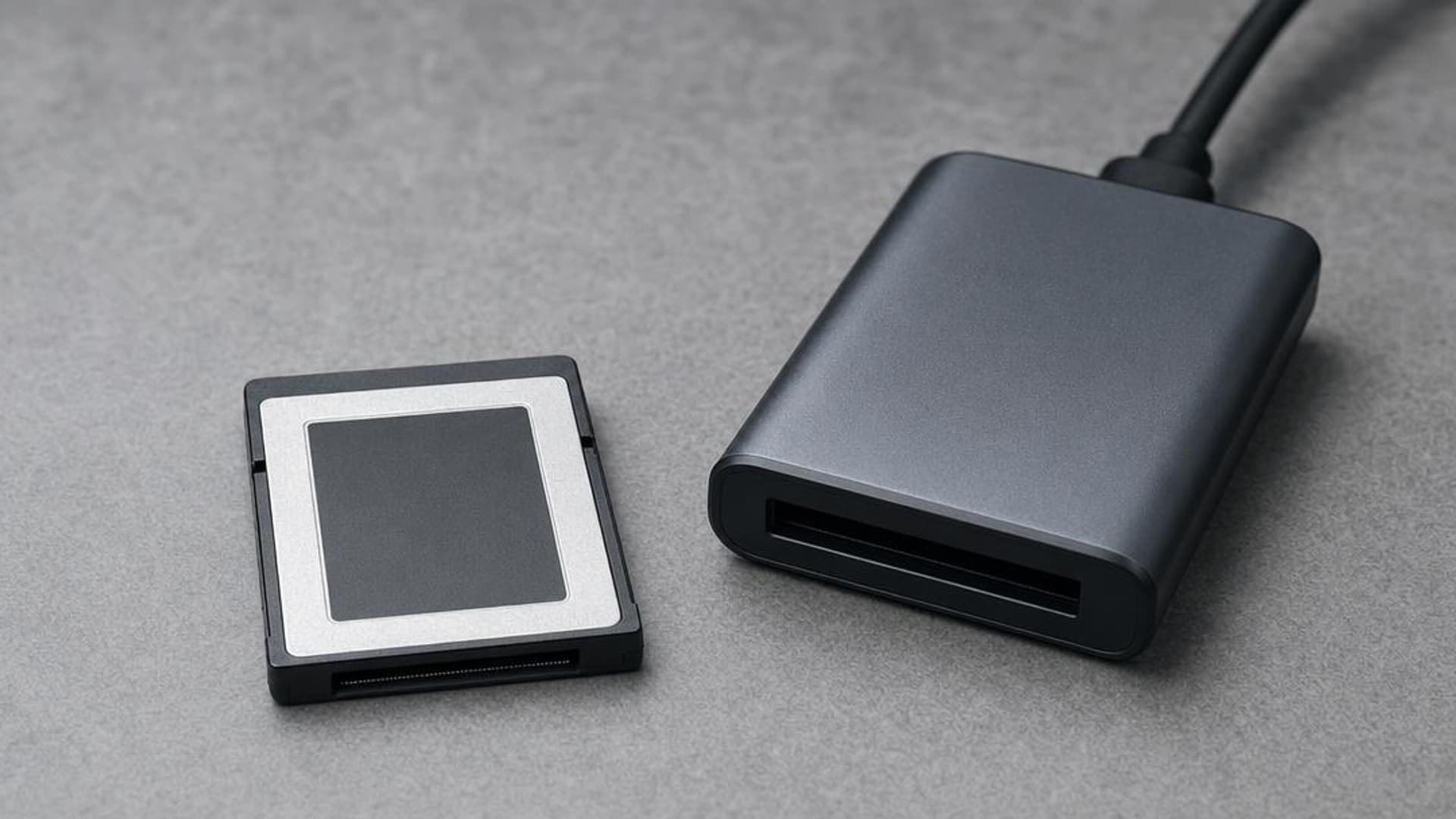
CFexpress 4.0 and VPG Explained: Buy the Card Your Camera Needs
CFexpress 4.0 doubles theoretical bandwidth, while VPG certifies sustained video writes. Learn Type A vs B, VPG classes, and when 4.0 is worth paying for.
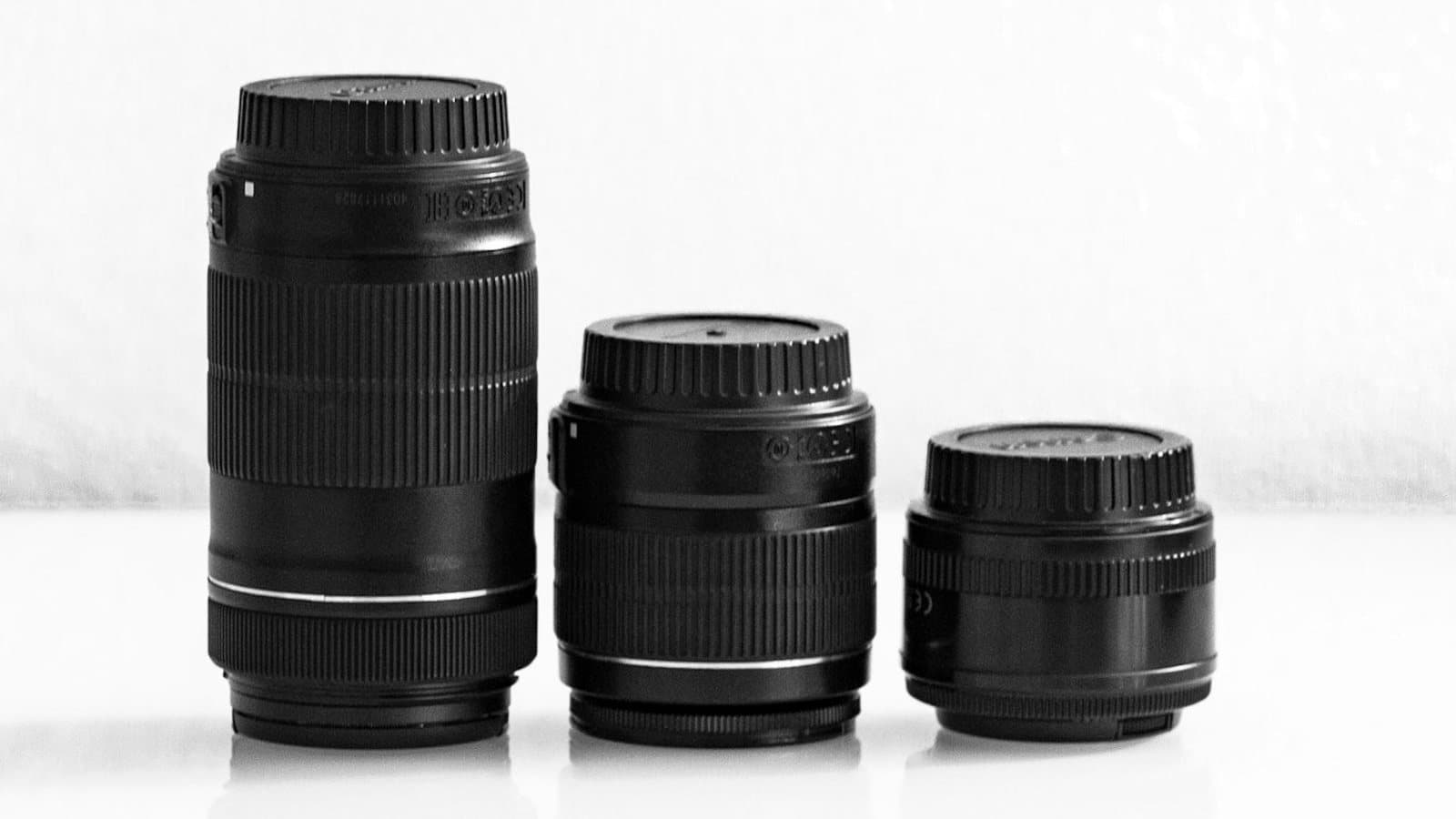
Focal Length Explained: What 24mm, 50mm, 85mm, and 200mm Actually Do
What the millimeter number on a lens changes in the field: angle of view, compression, and working distance. When to reach for 24, 50, 85, or 200mm.
Researched, not personally tested: picks compare specifications, available owner feedback, and established expert sources. As an Amazon Associate I earn from qualifying purchases. We may earn a commission from links here, at no extra cost to you. How we research →