We may earn a commission from links on this page, at no extra cost to you. Picks are researched, not sponsored.
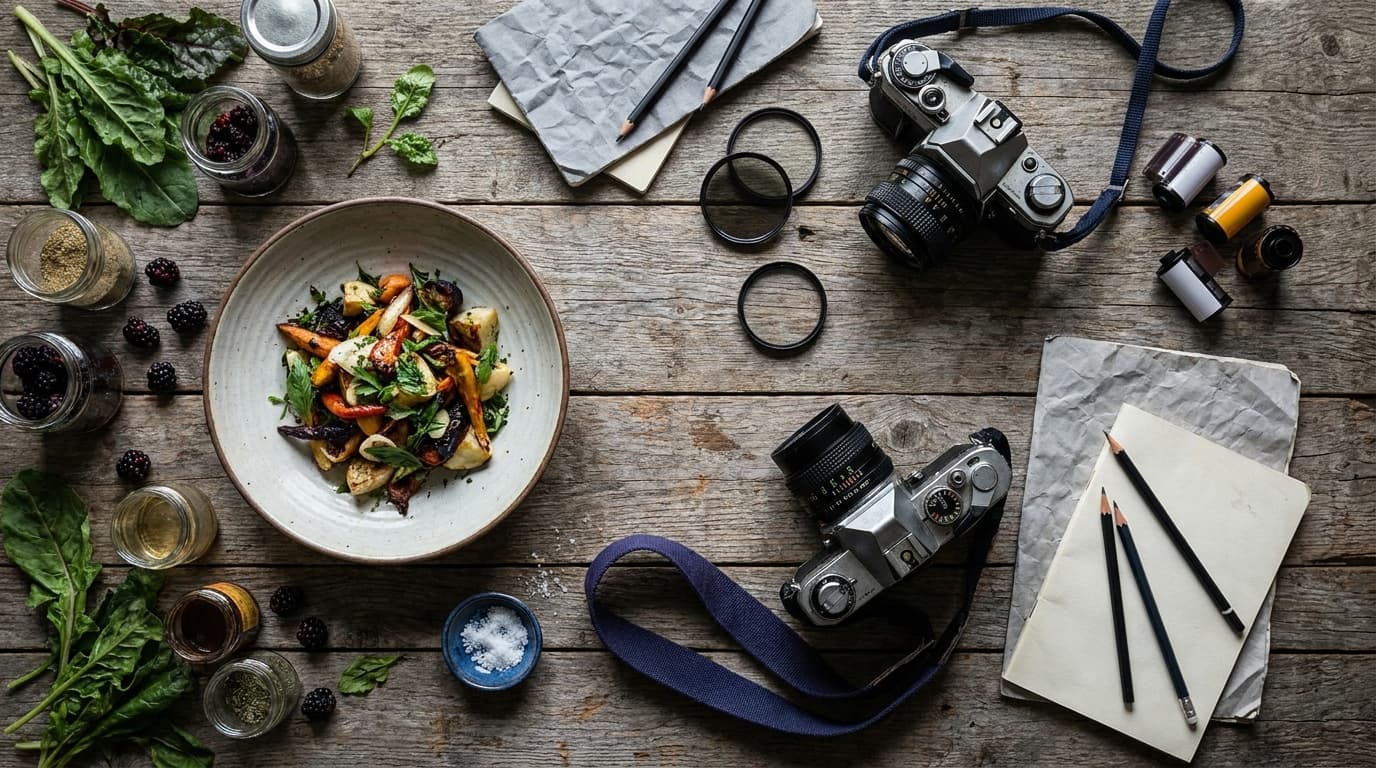
Food photography is the rare genre where you control everything: the light, the angle, the props, and the moment. That freedom is the whole game. The difference between a flat snapshot and an image that makes someone hungry comes down to three decisions, light, angle, and styling, and you make all three before you press the shutter.
Soft side light makes food look fresh
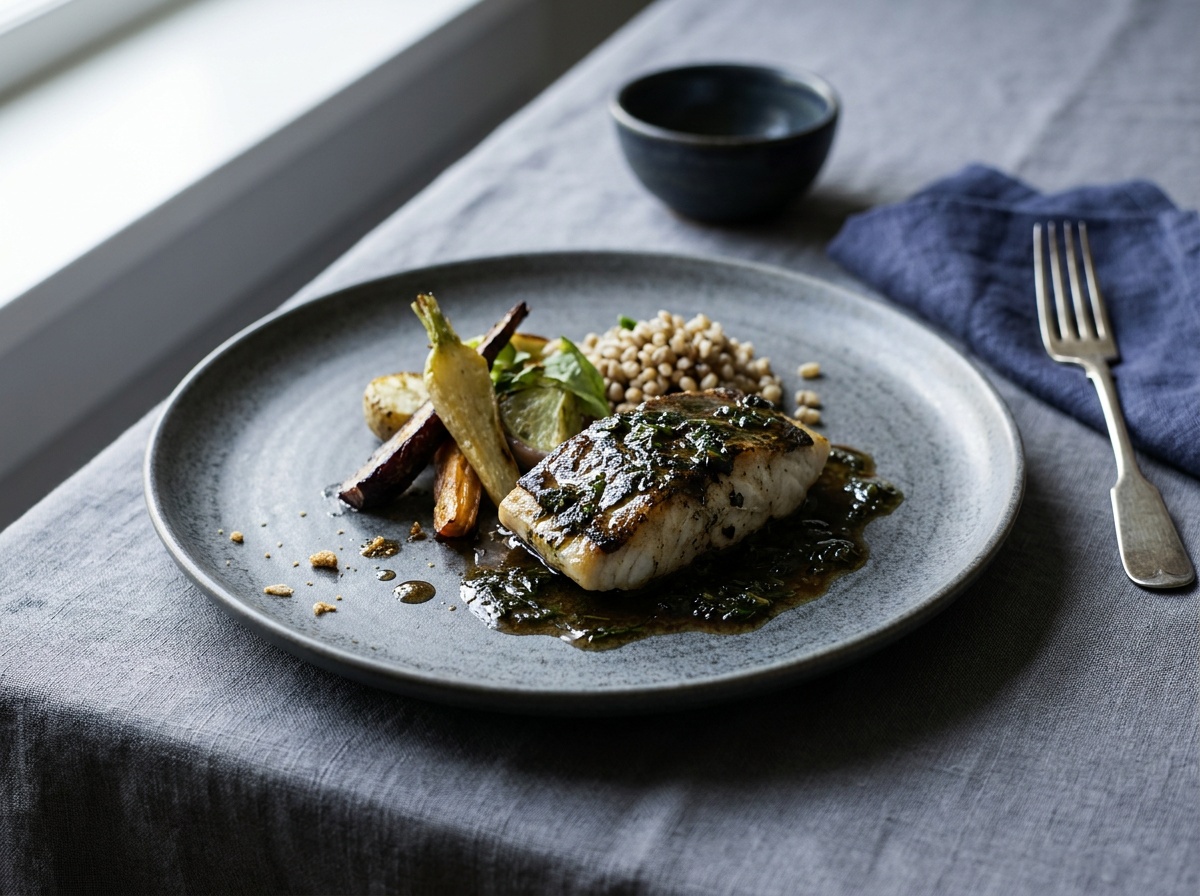
The single biggest factor in food photography is light direction. Light from the side or slightly behind the dish brings out texture, the crumb of bread, the gloss of a sauce, the steam off a bowl. Light from the front, like an on-camera flash, flattens everything and kills appetite.
Window light is the easy default: place the dish beside a window so the light rakes across it, then bounce a little back into the shadows with a white card or foam board, the cheapest tool in food photography. Diffuse harsh sun with a sheer curtain so the highlights stay soft. Backlighting, with the window behind the dish, makes translucent foods glow, soups, drinks, syrups, and a poured shot, so place the bounce card in front to keep the near side from going dark. The low-light and indoor guide covers shaping window light, and if you light artificially, a single soft source off to the side mimics the same effect. The food photography gear guide covers the lenses, lights, modifiers, and stands worth buying first.
The angle depends on the dish
There is no single best angle; the food decides. Match the camera height to the shape of the food:
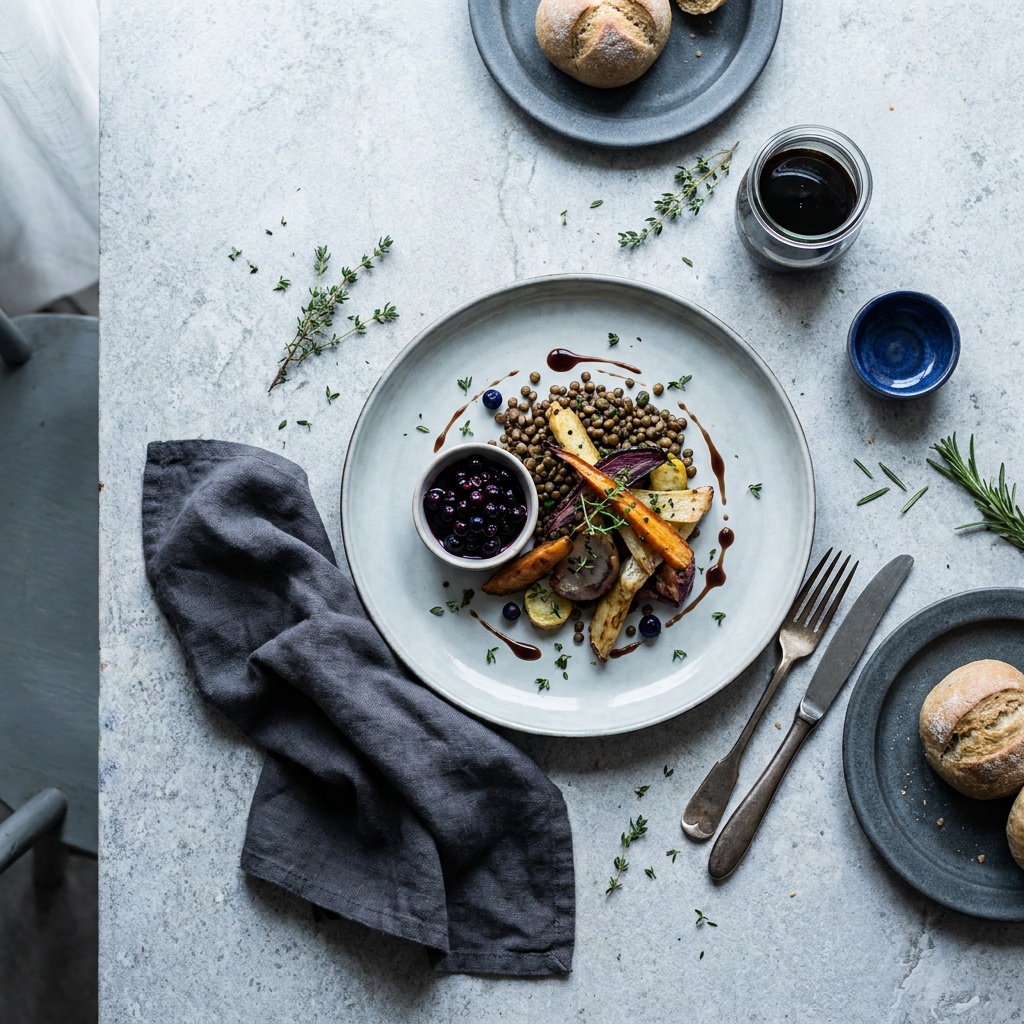
- Flat lay (straight down) suits spread-out scenes: a table of dishes, a pizza, a bowl of soup, anything whose interest is on top.
- The 45-degree angle is the natural, how-you-see-it-at-the-table view. It works for most plated dishes and shows both the top and the side.
- Straight on (eye level) is for height: a stacked burger, a layered cake, a tall drink. It shows off the layers that a flat lay would hide.
When in doubt, the 45-degree angle is the safe choice for a plated meal.
Settings that keep the dish sharp
Food is static, so you can shoot carefully. A reliable starting point is f/5.6 · 1/125 · ISO 100.
Use a moderate aperture around f/4 to f/5.6 so enough of the dish is sharp; going too wide at f/1.8 leaves only a sliver of the plate in focus and the rest mushy. Keep ISO low at 100 to 200 for clean, true color, which matters more in food than almost any genre. If the light is dim and the camera is on a tripod, lengthen the shutter speed rather than raising ISO, since nothing is moving. The exposure triangle explains why a tripod lets you keep ISO low. A macro lens earns its place here for tight detail of texture.
Research pick
Sony FE 90mm f/2.8 Macro G OSS
Close-up and product shooters who also want a portrait option.
Check price at AmazonStyling that reads as appetizing
Styling is what separates a documentary snapshot from a crafted image. Shoot food at its freshest, the moment it is plated, before steam fades and greens wilt. Keep the plate clean: wipe stray drips with a cotton swab, and use a smaller plate so portions look generous. Place tiny garnishes with tweezers for precision, since a herb leaf set exactly where you want it reads as deliberate. Add a sense of life with a few intentional details, a scatter of herbs, a folded napkin, a fork mid-scene, or ingredients from the recipe in the background. Keep props muted and on-theme so they support the food instead of competing with it. Negative space gives the dish room to breathe.
For a step-by-step walkthrough of setting up a shot, see how to photograph food.
Common mistakes
The frequent failures are direct front light that flattens the dish, a too-wide aperture that leaves most of the plate out of focus, and waiting too long so the food looks tired. Off-color white balance is another, since food shot under warm kitchen bulbs goes orange and unappetizing; correct it so colors look true. Finally, cluttered props pull the eye away from the hero, the food itself.
What is the best lighting for food photography?
Soft light from the side or slightly behind the dish, which brings out texture and gloss. Window light diffused with a sheer curtain is the easiest source. Avoid direct front light or on-camera flash, which flatten the food and make it look unappetizing.
What angle is best for food photography?
It depends on the dish. Use a flat lay for spread-out scenes like a table or a pizza, a 45-degree angle for most plated meals, and a straight-on eye-level angle for tall food like burgers, cakes, and drinks. The 45-degree view is the safe default.
What aperture should I use for food photography?
A moderate aperture around f/4 to f/5.6 keeps enough of the dish sharp while still softening the background. Very wide apertures like f/1.8 leave only a thin slice in focus, which usually looks like a mistake on a plate of food.
Keep going
Next useful steps
Pick one. Each link continues the same job without starting the research over.
Shoot kits
Buy around the job, not the spec sheet
Studio table
Product studio kit
$5,268
A high-detail body, macro lens, portable strobe, modifier, backdrop, and grip pieces for repeatable product photos at home or in a small studio.
Best small-commerce kit
Buy order: start with the first piece that makes the job possible, then add the support pieces that remove friction.
Camera: start here. If this piece does not make the shoot easier, the rest of the kit can wait.
Safety: add it after the core setup proves useful.
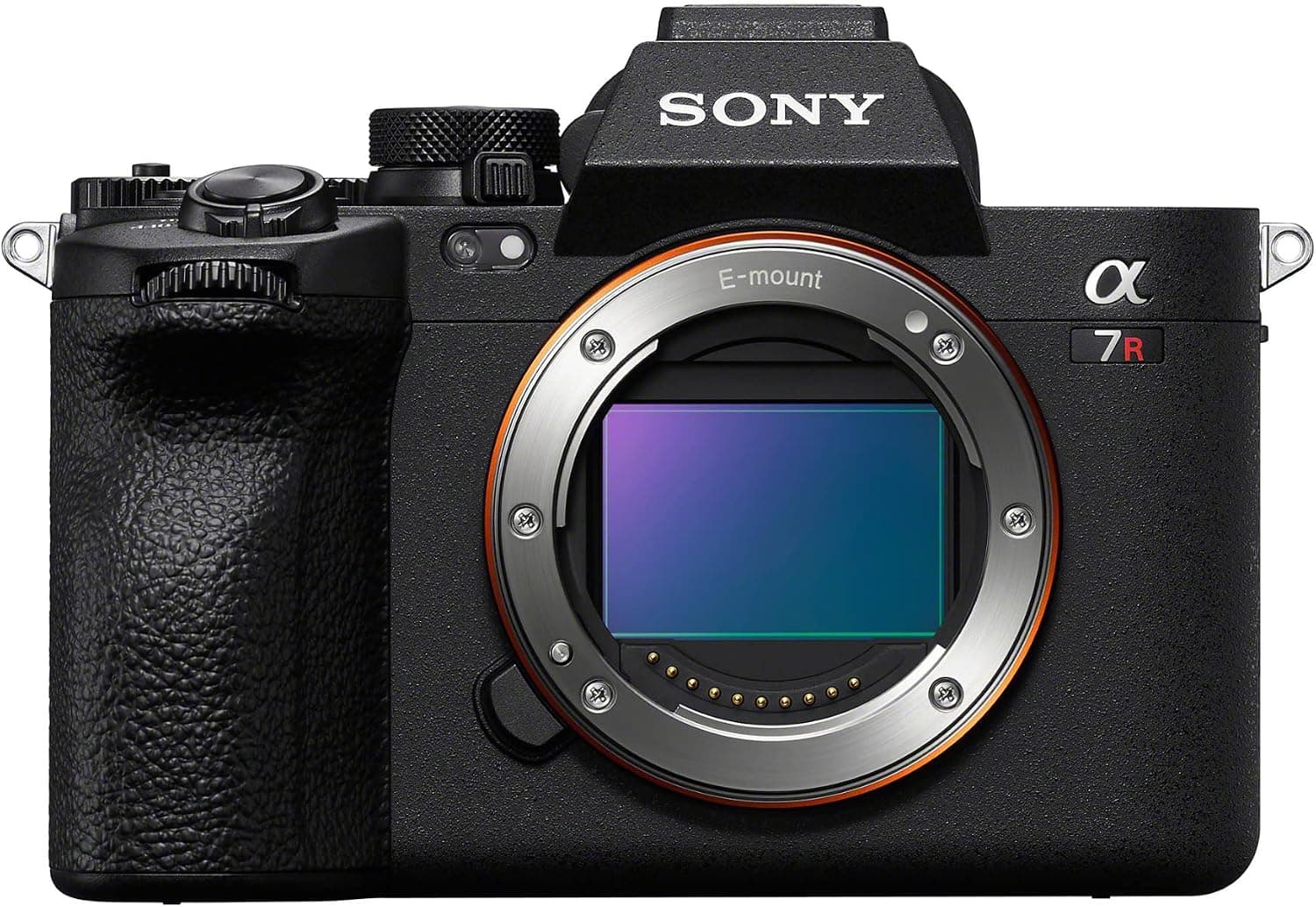
Sony a7R V
High-resolution files give product work enough detail for crops, retouching, and marketplace layouts.
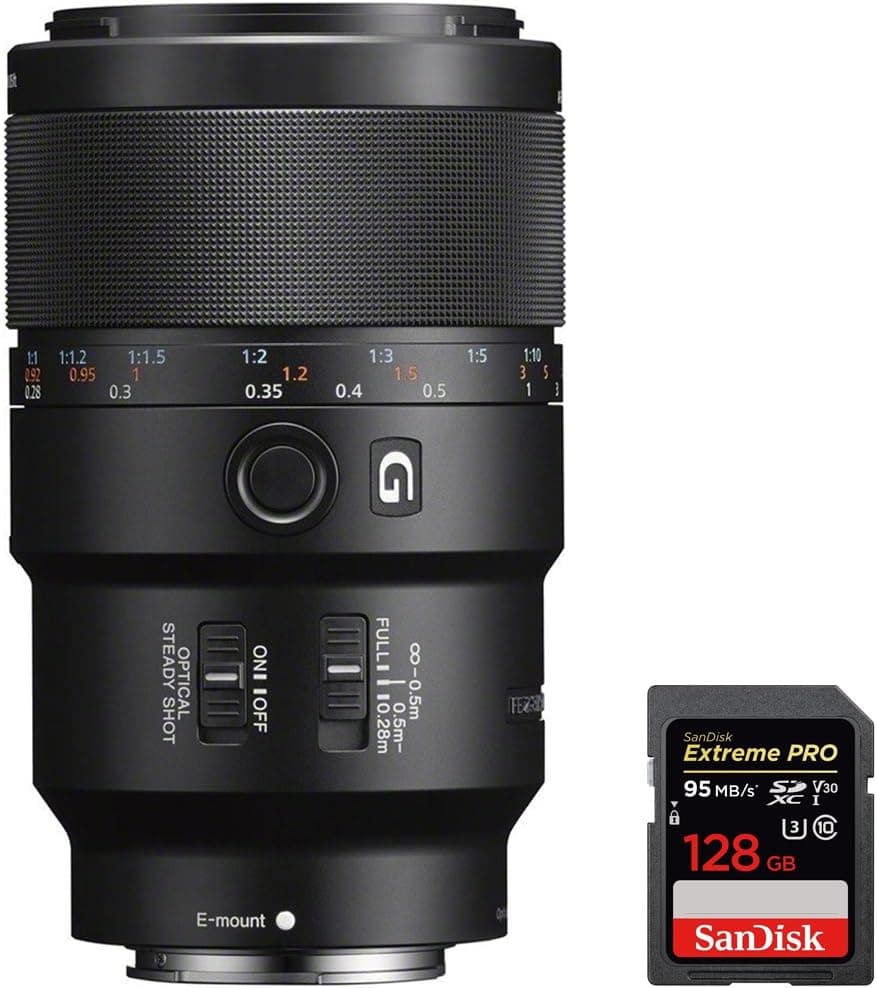
Sony FE 90mm f/2.8 Macro G OSS
True close focus for small products, labels, texture, and detail shots.
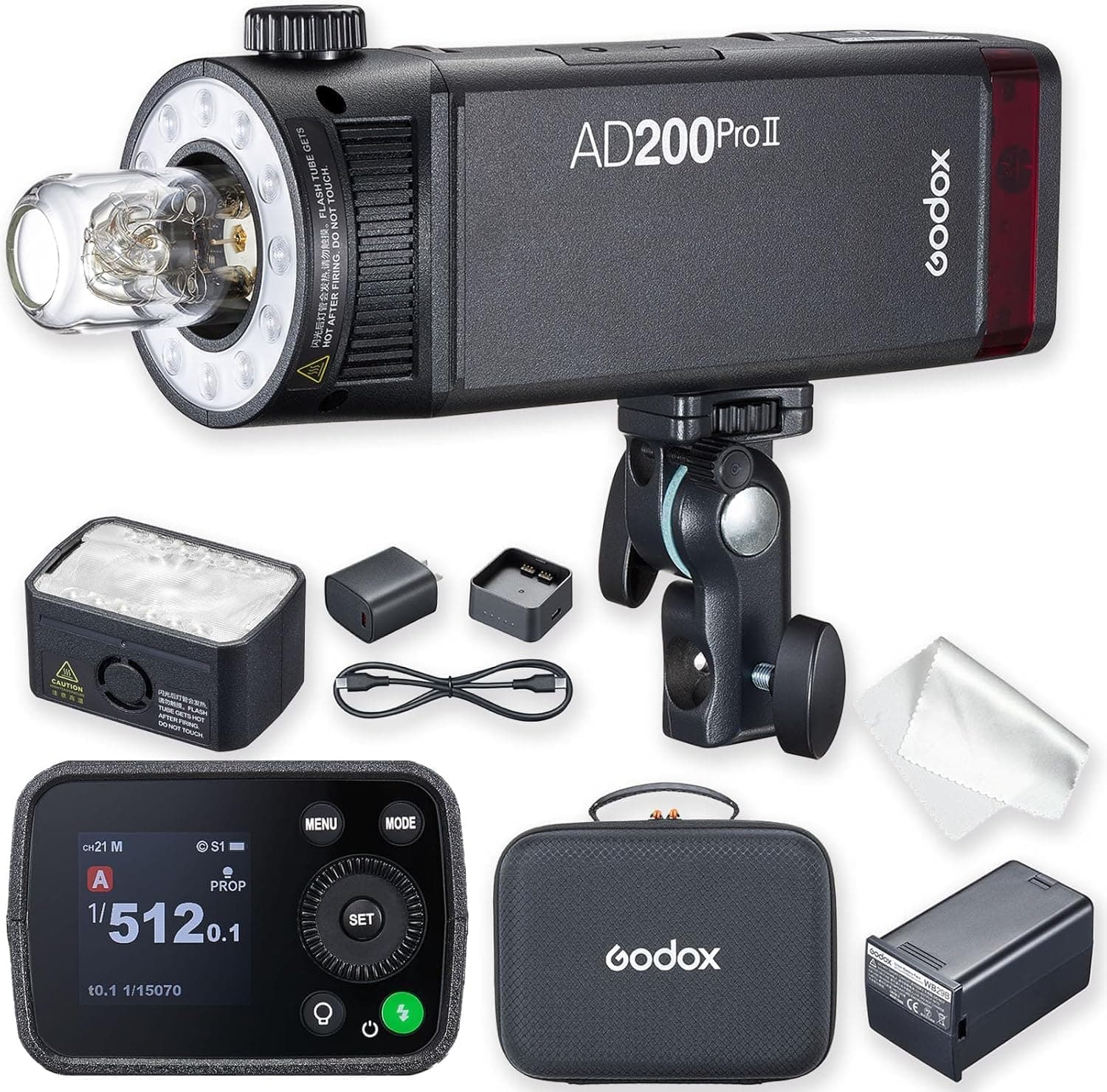
Godox AD200 Pro
More control and output than a speedlight while still staying portable.
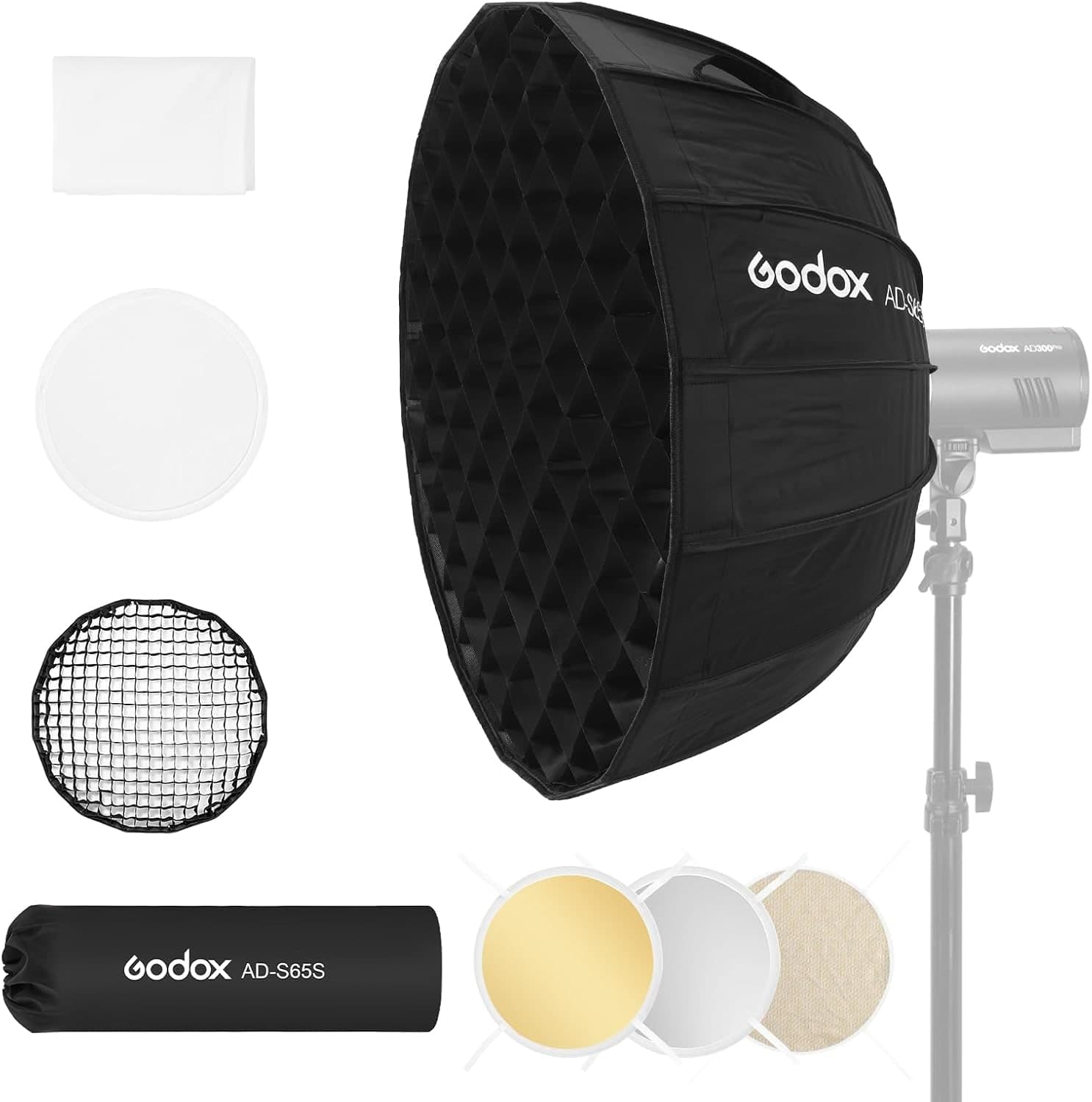
Godox AD-S65S
Soft, controlled light with a round catchlight for bottles, ceramics, food, and tabletop objects.
Savage Seamless Paper
A clean sweep removes distracting horizon lines and makes products read professionally.
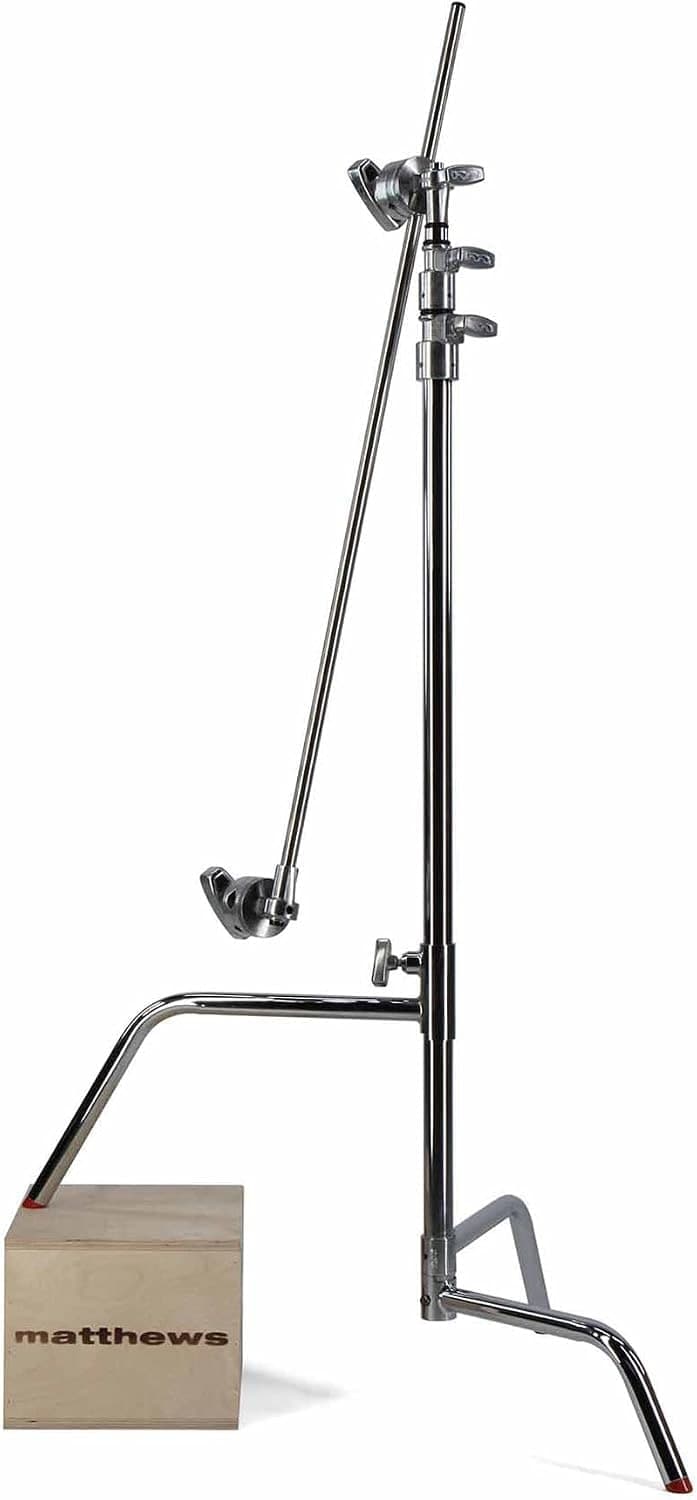
Matthews C-Stand
Holds lights, flags, and reflectors in fixed positions while the product stays untouched.
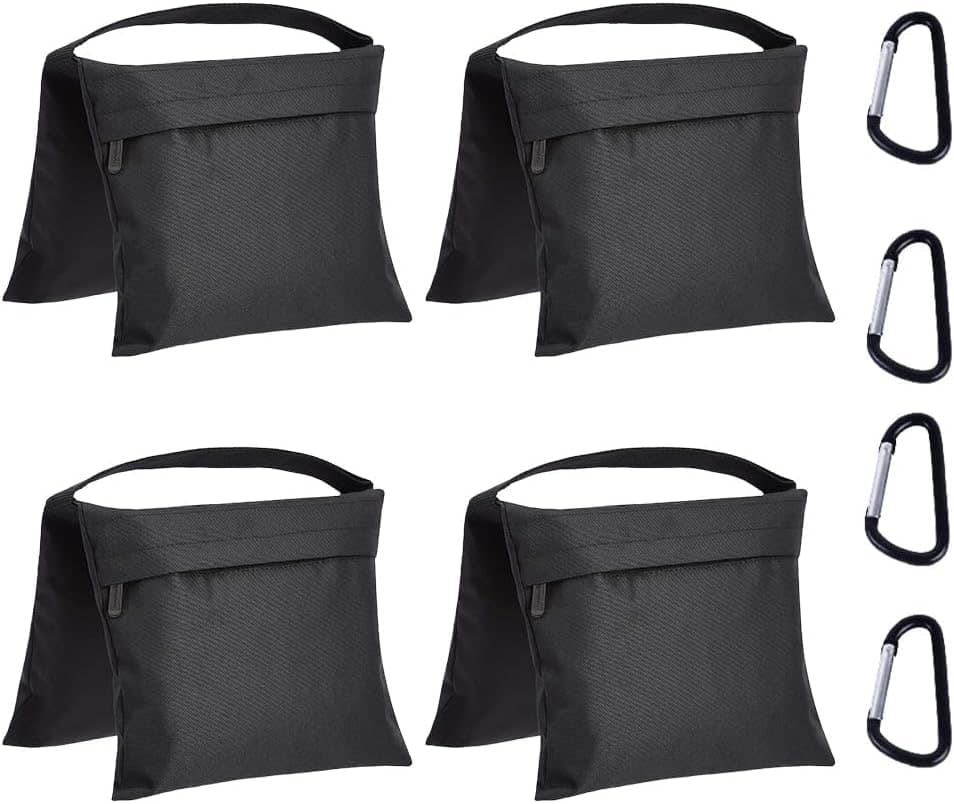
Amazon Basics Photography Sandbags (4-Pack)
Keeps the stand planted when a modifier or boom arm pulls the load off-center.
Prices are rough catalog totals. Retailer prices change, and you can swap pieces to fit your system.
Related Genres guides

Event Photography: Settings and Gear for Low Light and Fast Moments
Event photography means low light, candid moments, and no second takes. Here is the gear, the settings, and the mistakes to skip for sharp, well-lit frames.
Fashion Photography: Light, Posing, and the Look on a Budget
Editorial fashion images come from intentional light, confident posing, and a clear styling concept. Here is how to build the look on a budget with one light and simple gear.
Product Photography: A Simple, Repeatable Setup
Clean product photos need controlled light, a sharp aperture, and a tripod, not a studio. Here is the gear, the settings, and the lighting that gets professional results.
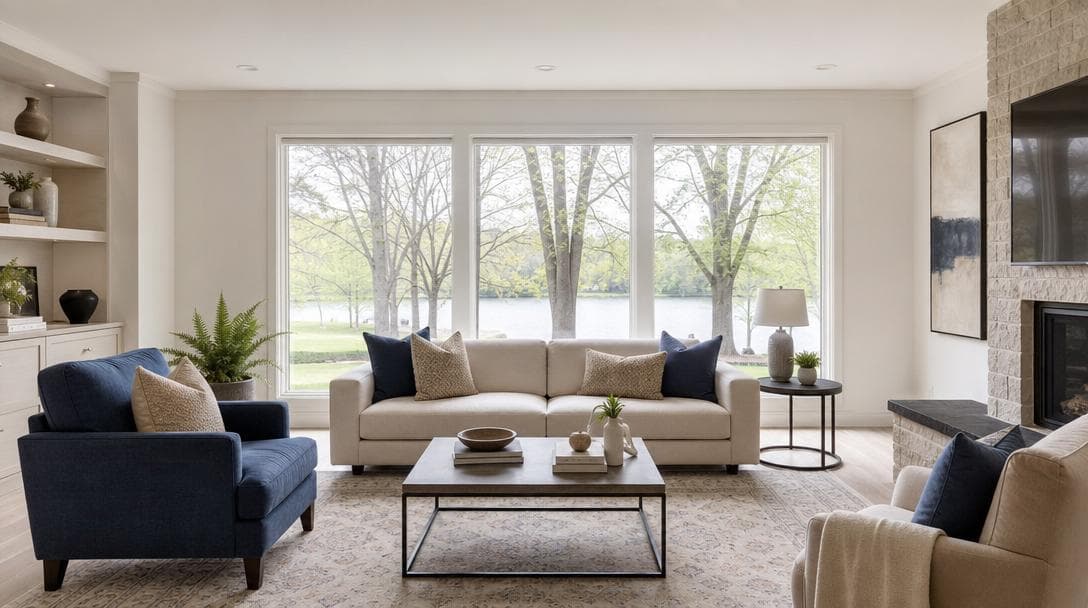
Real Estate Photography: The Complete Starter Guide
How to shoot a listing that sells: the gear, the settings, the room-by-room shot list, and the common mistakes. Plus the tool that builds your shot list for you.
Researched, not personally tested: picks compare specifications, available owner feedback, and established expert sources. As an Amazon Associate I earn from qualifying purchases. We may earn a commission from links here, at no extra cost to you. How we research →