We may earn a commission from links on this page, at no extra cost to you. Picks are researched, not sponsored.
A macro lens focuses far closer than an ordinary lens, rendering small subjects at life size or near it on the sensor. That opens up macro photography of insects, flowers, and texture, and it makes these lenses excellent for product and detail work too, where you photograph rings, watches, or small goods. The defining spec is magnification: a true macro hits 1:1, meaning the subject projects onto the sensor at its real size.
Close-up work lives and dies on focus and depth of field. Our understanding depth of field guide explains why depth gets razor-thin up close, and the macro photography basics primer covers the technique side once you have the lens.

How to choose
Three things decide a macro lens. Magnification, where a true macro reaches 1:1 (life size); some lenses labeled macro only reach 1:2 (half life size), which is still useful but not the same. Focal length, which sets your working distance: a 90mm to 105mm macro lets you shoot from farther back, which keeps your shadow and the lens off skittish insects, while a shorter macro forces you closer. Stabilization and autofocus, because at high magnification the tiniest movement shifts focus, so image stabilization and reliable focus help, though many macro shooters still focus manually for precision.
After that, consider double duty. A 85mm to 105mm macro also makes a fine portrait lens, so a single purchase can cover close-ups and people.
The picks
Research pick
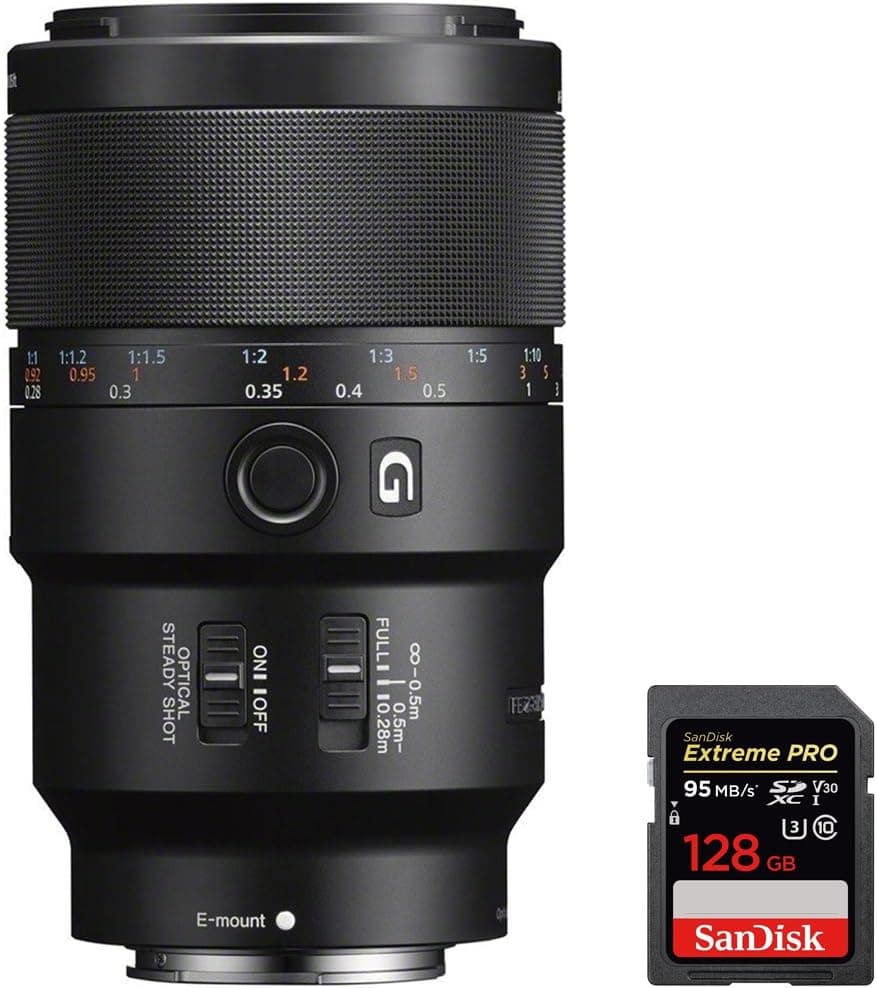
Sony FE 90mm f/2.8 Macro G OSS
Close-up and product shooters who also want a portrait option.
Check price at AmazonThe Sony FE 90mm f/2.8 Macro G OSS is the reference macro for the E mount and a longtime favorite. It hits true 1:1, the optics are clinically sharp, and the 90mm focal length gives comfortable working distance from bugs and flowers. Optical stabilization helps handheld close-ups, and a focus-range limiter speeds up autofocus. It also makes a lovely short telephoto portrait lens. For Sony shooters this is the one to get.
Research pick
Nikon Z MC 105mm f/2.8 VR S
Nikon Z shooters doing close-up, product, and portrait work.
Check price at AmazonThe Nikon Z MC 105mm f/2.8 VR S is Nikon's flagship macro and every bit the equal of the Sony. True 1:1, outstanding sharpness, built-in VR stabilization, and a slightly longer 105mm focal length that buys even more working distance for live subjects. It is weather-sealed and doubles as a superb portrait lens. Nikon Z shooters who want one serious close-up lens should look here first.
Research pick
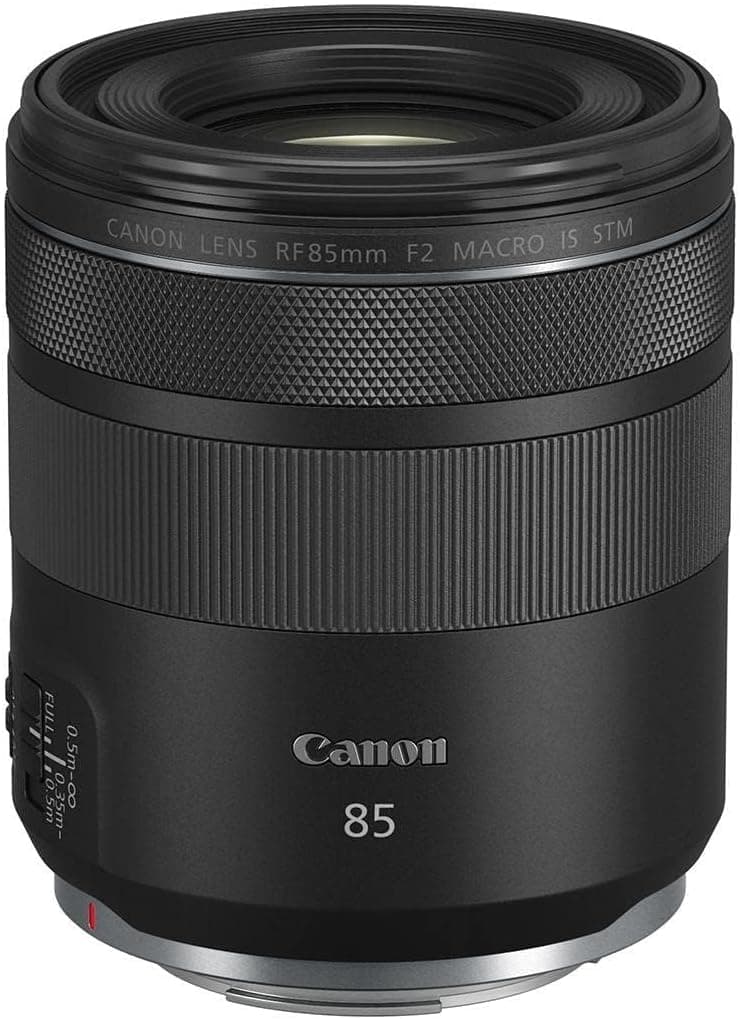
Canon RF 85mm f/2 Macro IS STM
RF portrait shooters who also want occasional close-ups.
Check price at AmazonThe Canon RF 85mm f/2 Macro IS STM is the value and double-duty pick. It is genuinely a portrait lens first, with a flattering 85mm focal length and a bright f/2 aperture, that also focuses close enough for 0.5x (half life-size) macro. It will not hit true 1:1, so it is not for the most demanding insect work, but for flowers, product details, and people, one affordable, stabilized lens covers a lot. For Canon RF shooters on a budget who want close-up reach plus portraits, it is the smart choice.
Common mistakes
The most common one is shooting wide open and getting a sliver of focus. At 1:1, depth of field can be a fraction of a millimeter, so most macro work happens at f/8 to f/16, and serious close-up shooters stack multiple frames focused at different points. The second is fighting camera shake: at high magnification even a breath shifts focus, so use a tripod, a fast shutter, or flash to freeze the moment. The third is forgetting working distance; a short macro lens may force you so close that you cast a shadow on the subject or scare it off, which is why 90mm to 105mm is the sweet spot for living subjects. For the full technique, see macro photography basics and the macro photography genre guide.
What does 1:1 magnification mean?
It means the subject is projected onto the sensor at its actual size: a 10mm insect covers 10mm of the sensor. That is the standard for a true macro lens. Lenses that reach only 1:2 (half life-size) render the subject at half its real size on the sensor, which is still useful for larger subjects but cannot fill the frame with the smallest details.
Can a macro lens be used for portraits?
Yes, and many are excellent at it. The 85mm to 105mm macros here have flattering focal lengths and sharp, contrasty rendering. The only caution is that some macro lenses are so sharp they reveal skin texture readily, which a little softening in editing handles. Buying one macro that doubles as a portrait lens is a sensible way to get two lenses in one.
Do I need stabilization for macro?
It helps for handheld close-ups in good light, but it does not stop subject motion or the focus shifts that come from swaying at high magnification. For the sharpest macro work, a tripod and a still subject (or flash to freeze motion) matter more than stabilization. Treat in-lens stabilization as a useful bonus, not a substitute for solid technique.
Compare picks
The short version
Use this to narrow the list before opening the detailed cards.
Scores weigh fit, owner sentiment, build, and value. Affiliate links do not change pick order. Methodology
Buying order
Start with the skip note. A good deal on the wrong camera is still the wrong camera.
Compare verdictsIf you already own lenses, check the system path before buying into a new mount.
Check systemsOnce the fit makes sense, compare current deals and retailer listings.
Check current dealsCamera system shortcut
If you already own one of these systems, keep the comparison inside that ecosystem before checking out.
Autofocus hybrid kits
Simple camera paths
Stills-first Z kits
Close-up and product shooters who also want a portrait option.
Use the retailer for the current price after the tradeoff makes sense. Confirm mount, focal length, filter size, and autofocus compatibility.
Tradeoff: Slower f/2 vs L primes
Use the retailer for the current price after the tradeoff makes sense. Confirm mount, focal length, filter size, and autofocus compatibility.
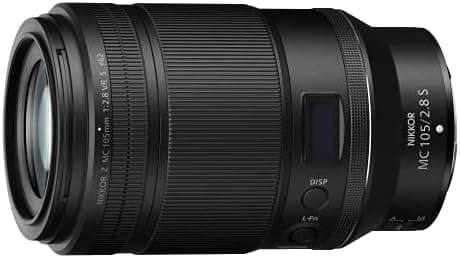
Nikon Z shooters doing close-up, product, and portrait work.
Use the retailer for the current price after the tradeoff makes sense. Confirm mount, focal length, filter size, and autofocus compatibility.
Price ladder
The useful range here runs from $600 to $1,050. Start with the ceiling that matches the assignment.
- Close-up and product shooters who also want a portrait option.
- Extremely sharp
- Focus can hunt in low contrast
Use the retailer for the current price after the tradeoff makes sense. Confirm mount, focal length, filter size, and autofocus compatibility.
- Nikon Z shooters doing close-up, product, and portrait work.
- True 1:1 macro
- Focus can be slow at high magnification
Use the retailer for the current price after the tradeoff makes sense. Confirm mount, focal length, filter size, and autofocus compatibility.
- RF portrait shooters who also want occasional close-ups.
- Built-in stabilization
- Slower f/2 vs L primes
Use the retailer for the current price after the tradeoff makes sense. Confirm mount, focal length, filter size, and autofocus compatibility.
| Pick | Score | Price | Verdict | Action |
|---|---|---|---|---|
| PickSony FE 90mm f/2.8 Macro G OSS | 9.1
| $1,000 - $1,100 | Close-up and product shooters who also want a portrait option. Wins: Extremely sharp Skip: Focus can hunt in low contrast | Check Amazon · $1,000 - $1,100 Use the retailer for the current price after the tradeoff makes sense. Confirm mount, focal length, filter size, and autofocus compatibility. |
| PickNikon Z MC 105mm f/2.8 VR S | 9.1
| $950 - $1,050 | Nikon Z shooters doing close-up, product, and portrait work. Wins: True 1:1 macro Skip: Focus can be slow at high magnification | Check Amazon · $950 - $1,050 Use the retailer for the current price after the tradeoff makes sense. Confirm mount, focal length, filter size, and autofocus compatibility. |
| PickCanon RF 85mm f/2 Macro IS STM | 8.5
| $550 - $650 | RF portrait shooters who also want occasional close-ups. Wins: Built-in stabilization Skip: Slower f/2 vs L primes | Check Amazon · $550 - $650 Use the retailer for the current price after the tradeoff makes sense. Confirm mount, focal length, filter size, and autofocus compatibility. |
Keep going
Next useful steps
Pick one. Each link continues the same job without starting the research over.
Shoot kits
Buy around the job, not the spec sheet
Studio table
Product studio kit
$5,268
A high-detail body, macro lens, portable strobe, modifier, backdrop, and grip pieces for repeatable product photos at home or in a small studio.
Best small-commerce kit
Buy order: start with the first piece that makes the job possible, then add the support pieces that remove friction.
Camera: start here. If this piece does not make the shoot easier, the rest of the kit can wait.
Safety: add it after the core setup proves useful.
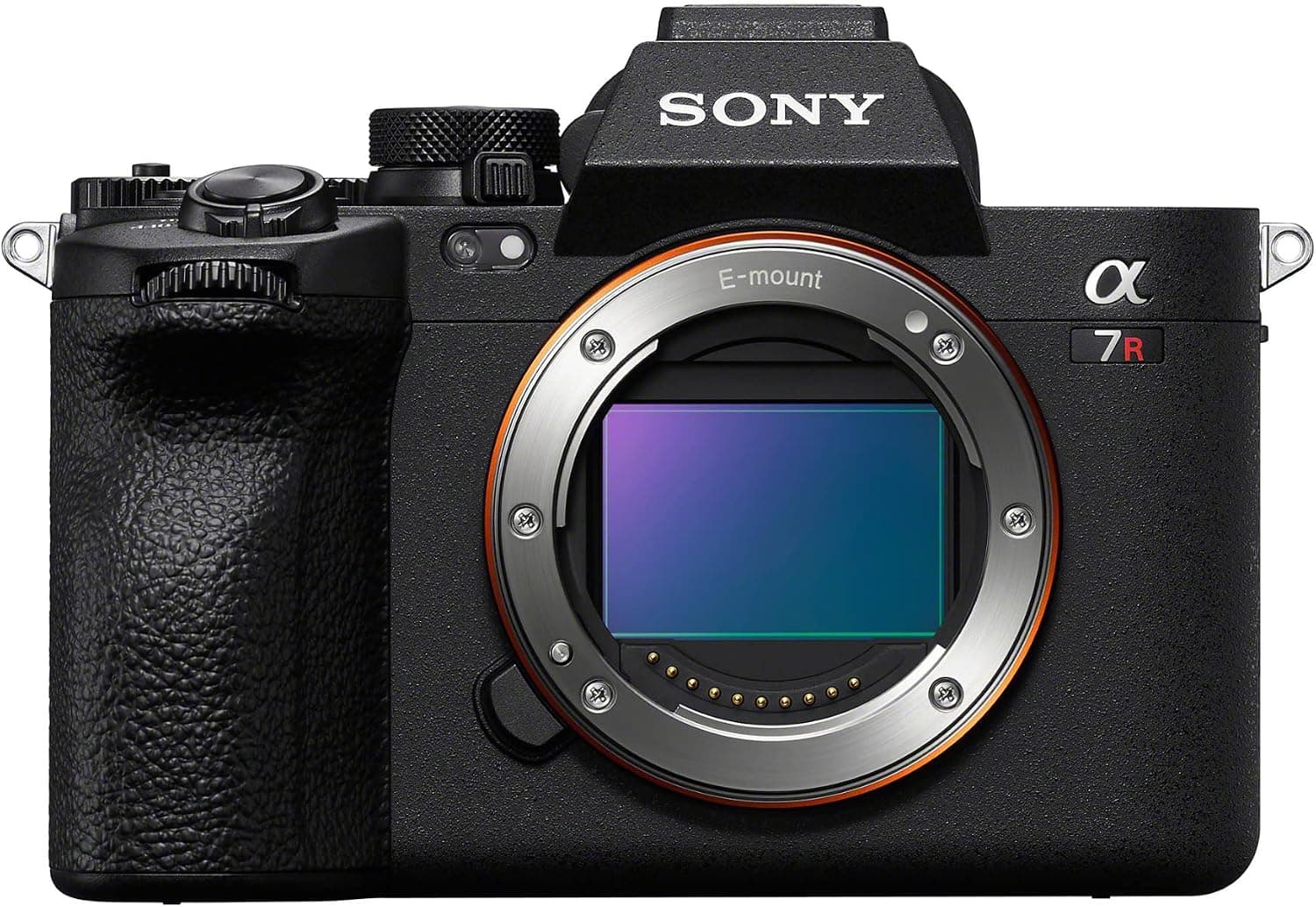
Sony a7R V
High-resolution files give product work enough detail for crops, retouching, and marketplace layouts.
Sony FE 90mm f/2.8 Macro G OSS
True close focus for small products, labels, texture, and detail shots.
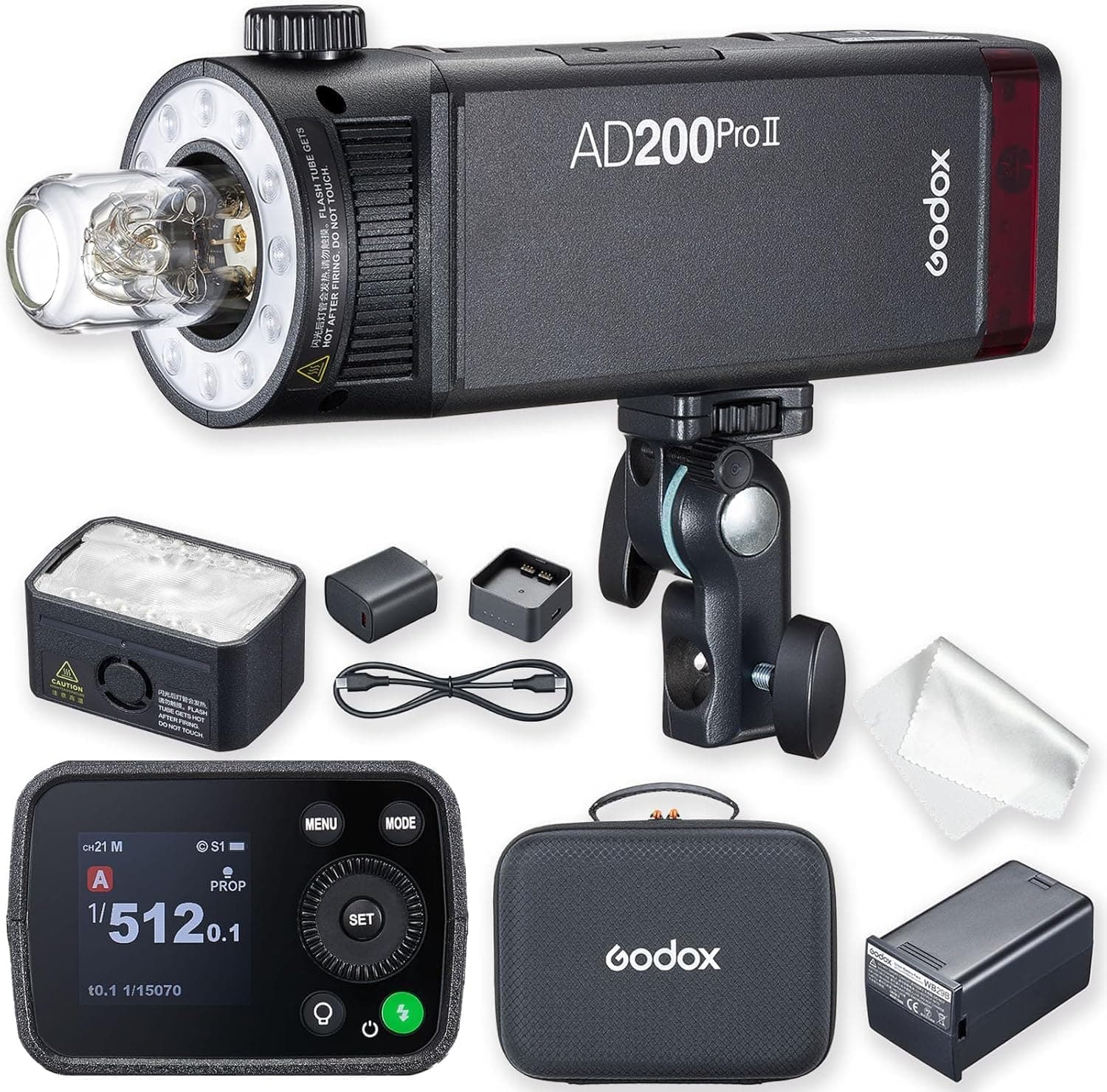
Godox AD200 Pro
More control and output than a speedlight while still staying portable.
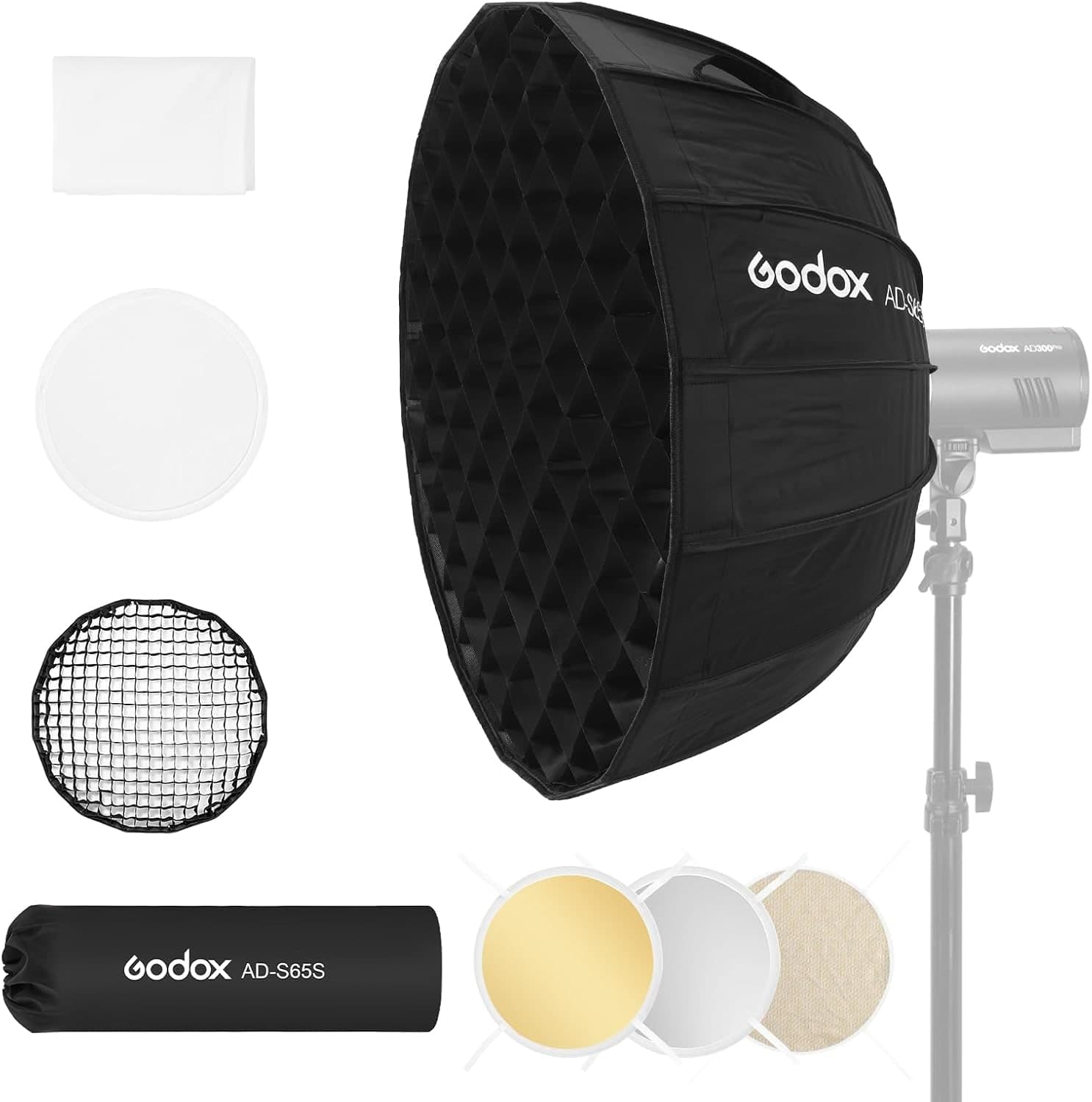
Godox AD-S65S
Soft, controlled light with a round catchlight for bottles, ceramics, food, and tabletop objects.
Savage Seamless Paper
A clean sweep removes distracting horizon lines and makes products read professionally.
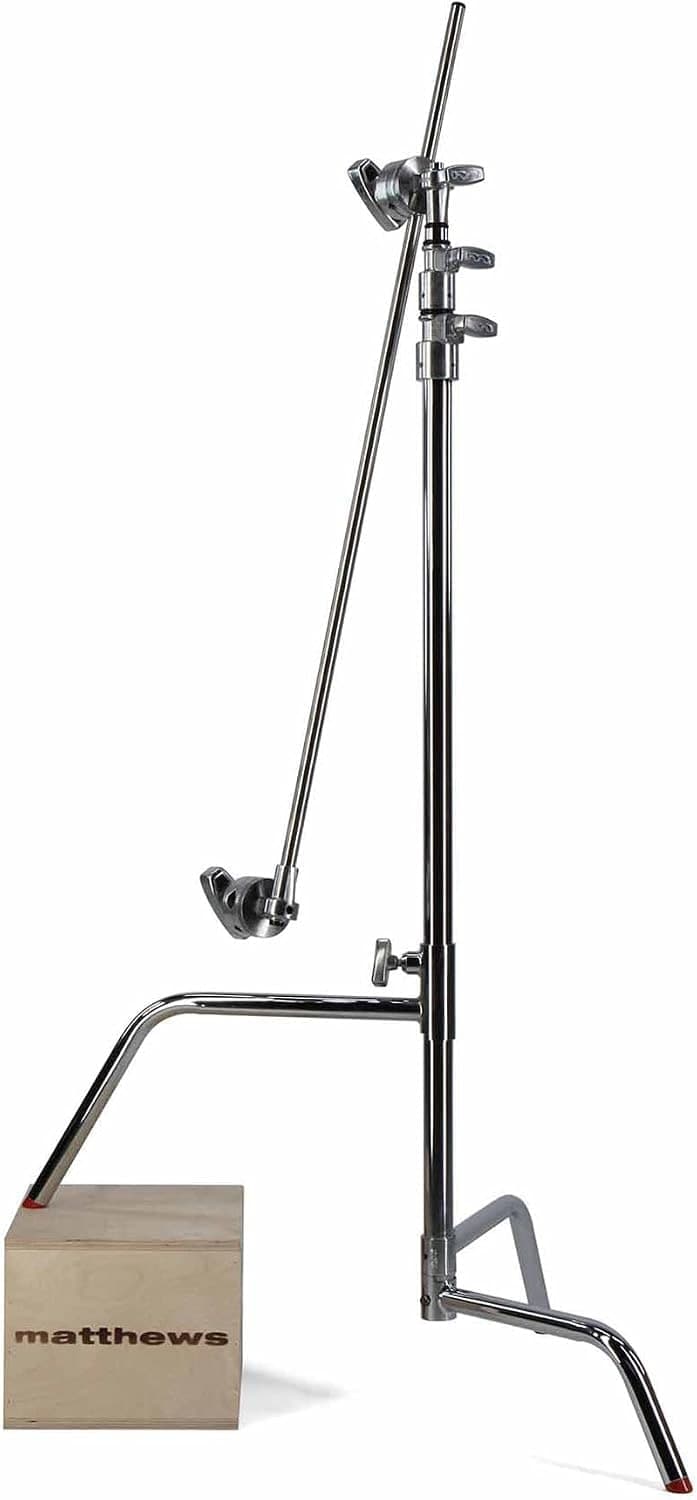
Matthews C-Stand
Holds lights, flags, and reflectors in fixed positions while the product stays untouched.
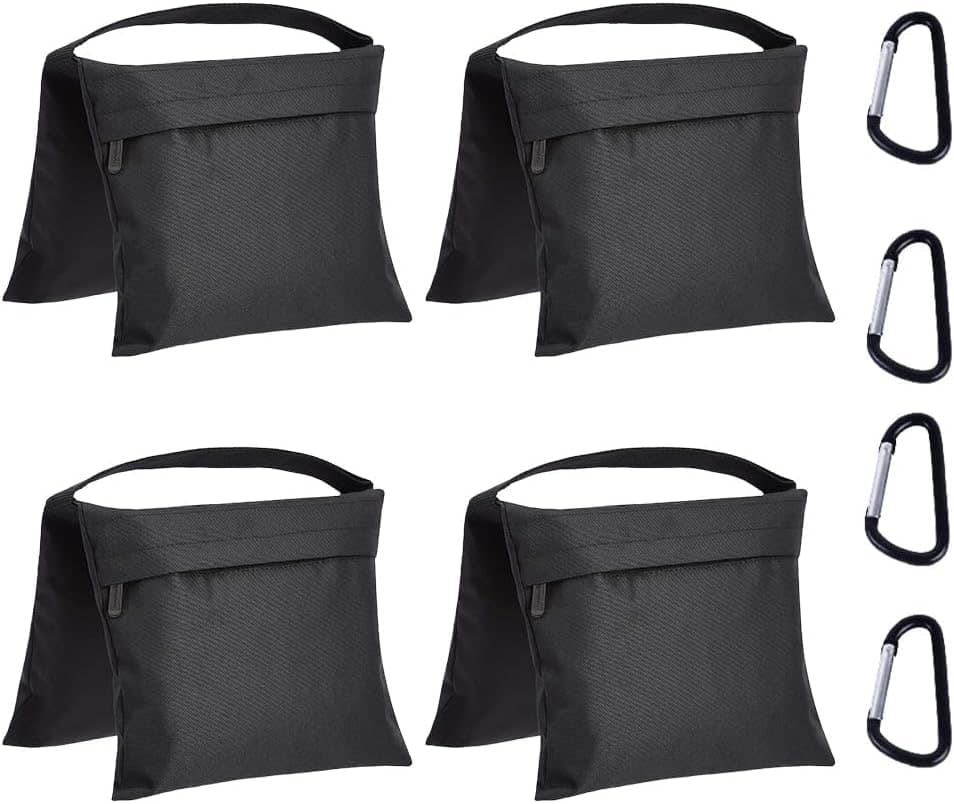
Amazon Basics Photography Sandbags (4-Pack)
Keeps the stand planted when a modifier or boom arm pulls the load off-center.
Prices are rough catalog totals. Retailer prices change, and you can swap pieces to fit your system.
Related Gear guides
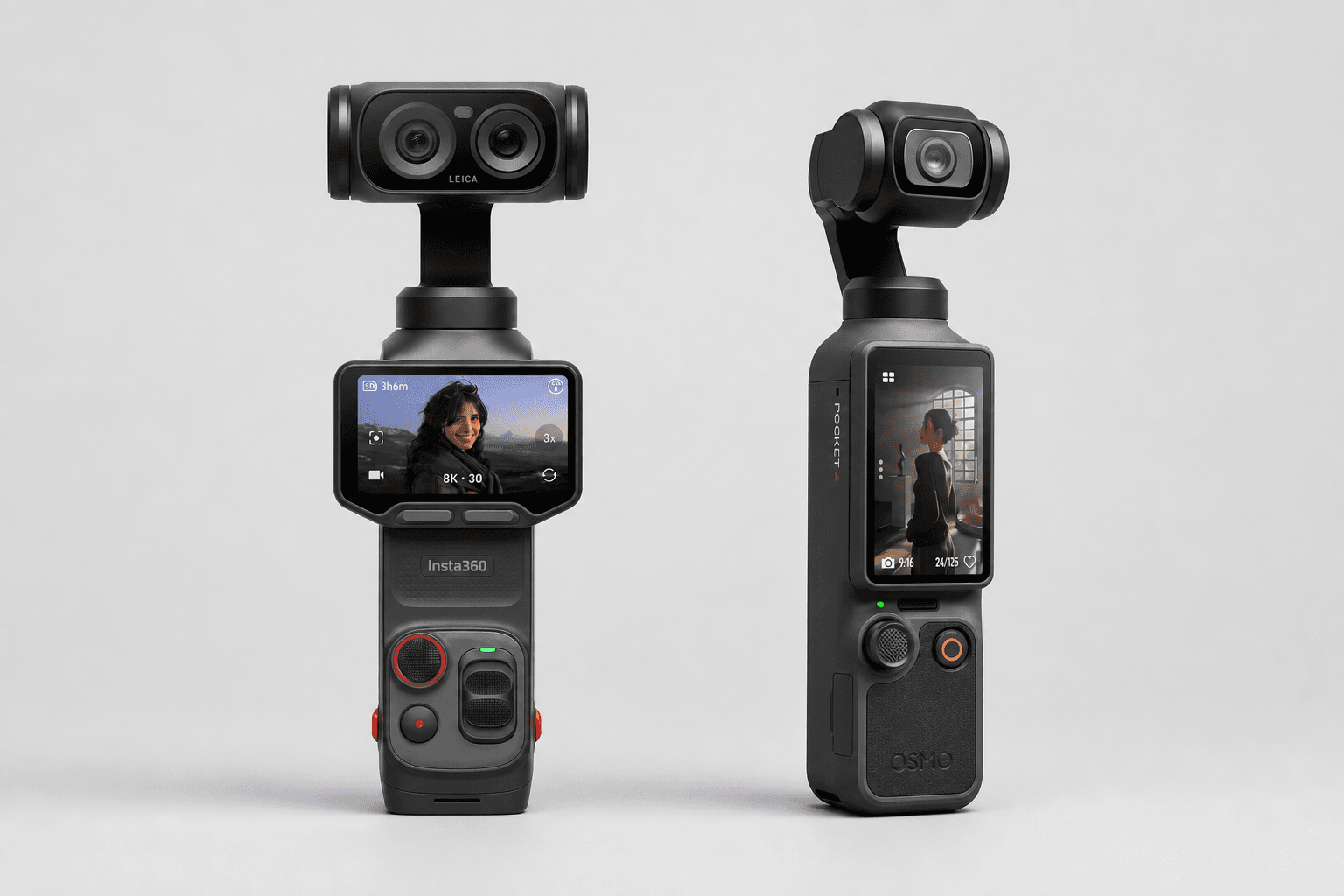
Insta360 Luna Ultra vs DJI Osmo Pocket 4: Which Pocket Gimbal Should You Buy?
Compare Luna Ultra and DJI Pocket 4 by lenses, video, Log formats, storage, U.S. availability, and the filming jobs each pocket gimbal handles best.
CFexpress 4.0 and VPG Explained: Buy the Card Your Camera Needs
CFexpress 4.0 doubles theoretical bandwidth, while VPG certifies sustained video writes. Learn Type A vs B, VPG classes, and when 4.0 is worth paying for.
Focal Length Explained: What 24mm, 50mm, 85mm, and 200mm Actually Do
What the millimeter number on a lens changes in the field: angle of view, compression, and working distance. When to reach for 24, 50, 85, or 200mm.
Canon EOS R50 V vs Sony ZV-E10 II: Which Beginner Vlogging Camera Should You Buy?
Canon EOS R50 V is the easier beginner creator kit. Sony ZV-E10 II is the deeper lens-system pick. Compare the practical tradeoffs.
Researched, not personally tested: picks compare specifications, available owner feedback, and established expert sources. As an Amazon Associate I earn from qualifying purchases. We may earn a commission from links here, at no extra cost to you. How we research →